Tanishq’s 2013 remarriage ad: the psychology that made it work
How Tanishq turned a woman's second marriage into lasting brand love by using narrative transportation, identity signalling and emotional contagion.
The ad and when it ran
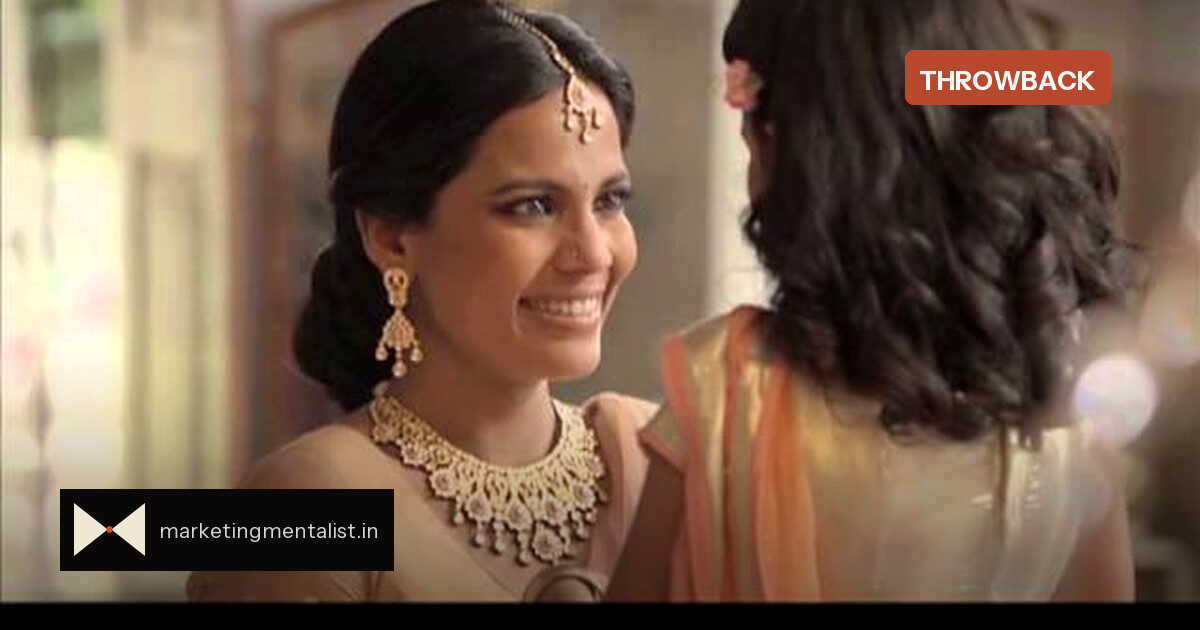
In 2013, Tanishq released “A Wedding to Remember”, a quiet wedding film that did not open with a blushing young bride or a product montage. It followed a woman preparing for her wedding—this time, a second marriage—with her daughter part of the ritual. The jewellery was present in scene after scene, but never the point. Indian jewellery advertising had largely sold gold as aspiration, tradition and status. Tanishq took the same rituals and pointed them at a woman the category usually ignored.
The levers it pulled
The film worked as a piece of behavioural persuasion, not just storytelling. Three levers did the heavy lifting.
- Narrative transportation. Because the ad behaves like a short drama rather than a pitch, viewers step into the story and feel its stakes before they register the product. The persuasion arrives after the emotional involvement, which lowers the instinct to counterargue.
- Identity signalling. Watching and sharing the film allowed people to tell others that they were modern, open-minded and comfortable with a woman’s agency. Tanishq became a badge of the viewer’s values, not just a jeweller.
- Emotional contagion. The warmth between the mother and daughter, the calm preparation and the sense of an earned beginning transfer to the brand. The jewellery inherits the feeling without making a single claim about karats.
What it did for the brand and the culture around it
The campaign became a talking point because it treated a second marriage as dignified, not apologetic. In a market where jewellery brands rarely strayed from conventional bridal imagery, the film positioned Tanishq as culturally literate and unafraid. It gave the brand something more durable than a price point: a point of view. Culturally, it arrived as Indian advertising was beginning to test new family structures on screen, and it widened the space for stories about women’s choices. Marketers elsewhere noticed that jewellery could carry social meaning without a word about purity or price.
What still works today and what would not
The core decision still works: place the product inside a human change, not the other way around. The film also shows that a brand can take a cultural stance without shouting. What would not survive unchanged is the pace. The slow-burn reveal and wordless emotional build were made for a longer viewing occasion, not the first three seconds of a feed. And a single progressive ad no longer looks as brave as it did in 2013. Today’s audience would ask what Tanishq does in its stores, its staffing and its aftercare to back up the story. The ad would need proof, not just poetry.
Watch the original: Tanishq on YouTube