Bingo! Tedha Hai Par Mera Hai: The Ad That Sold Imperfection
Bingo! turned odd-shaped chips into a badge of ownership with Tedha Hai Par Mera Hai, a lesson in endowment and identity in advertising.
The ad and when it ran
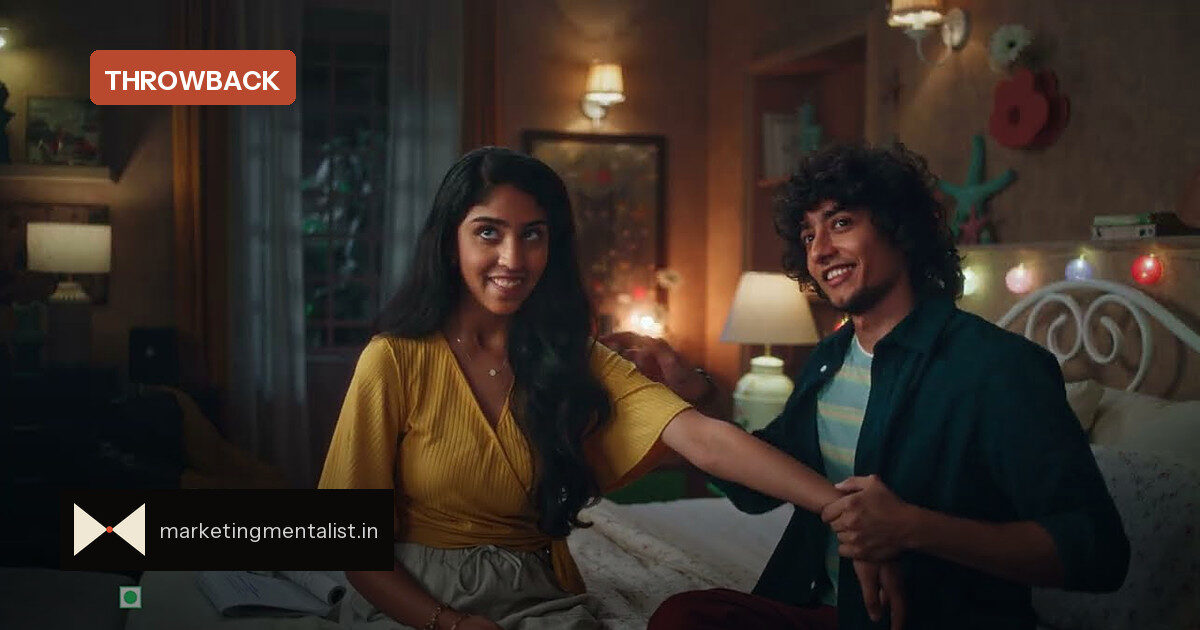
Bingo!, ITC’s snack brand, arrived in a market where snack advertising was mostly about crunch, spice and straight lines. Then came Tedhe Medhe, a deliberately twisted, irregular chip. The campaign built around the line Tedha Hai Par Mera Hai ran toward the end of the 2000s and took a different route: it made the odd shape the hero.
In the film, nobody tries to hide the misshapen piece or pick around it. The protagonist holds it up with possessive pride, as if the twist is the whole point. The tagline does the argument: it may be crooked, but it is mine.
The levers it pulled
The ad was a compact lesson in behavioural science. Three levers did most of the work.
- Endowment effect: people value things more once they feel ownership over them. The tagline weaponises the word mera. The snack is not being judged on its shape anymore; it is being claimed as a possession, and possession makes it feel special.
- Identity signalling: choosing the crooked chip becomes a small declaration. The person who picks it is not settling for the bad piece; he is showing that he likes things with character. The product flaw turns into a point of view.
- In-group quirk: the film builds a minor social dynamic around the odd chip. If you understand why someone would defend a bent snack, you are part of the joke, part of the Tedhe Medhe club.
What it did for the brand and the culture around it
The campaign gave Bingo! a distinct voice at a time when bigger snack brands were fighting over taste and volume. It positioned Bingo! as the brand for people who enjoy things that are a little irregular, a little personal.
The line also escaped the packet. Tedha Hai Par Mera Hai became shorthand for anything imperfect that someone still loves: a friend, a habit, a haircut, a battered car. That is rare for a snack tagline. It stopped being only about chips and became a small cultural phrase for affectionate ownership.
What still works today and what would not
What still works is the core move: take a visible imperfection and make it something to own instead of something to excuse. In a feed full of polished images, claiming the crooked thing still creates contrast.
What would not work as easily is the original pacing. The ad trusts the audience to sit with a dry, character-driven joke. Today the same insight would need a faster, more visual remix. Also, a line built on Hindi colloquial ownership travels less smoothly across languages, so the idea has to be re-earned in each market.
The psychology has aged well. The execution would need to run faster.
Watch the original: Bingo! on YouTube