The 4 PM Slump Is the New Growth Engine for QSRs
Indian QSRs are chasing snacks, drinks and desserts as hybrid work loosens fixed meal hours. The real trick: telling an upsell from a new occasion.
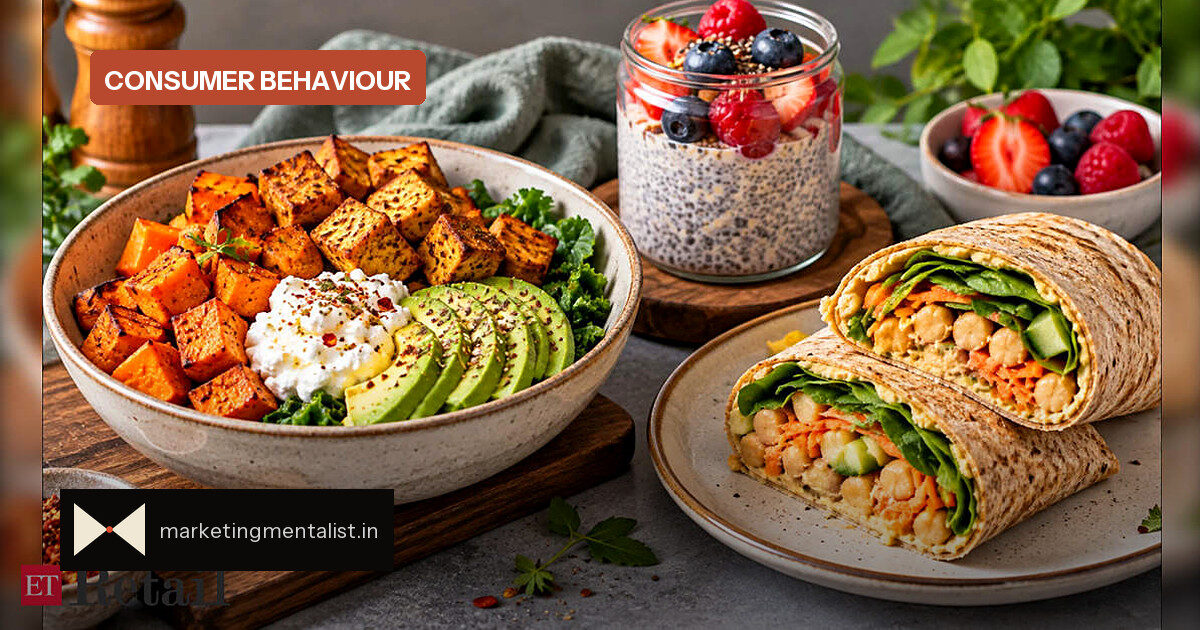
For years, Indian quick-service restaurants built their menus around three squares a day. But the fixed lunch hour is loosening. Hybrid work, late shifts and a generation that snacks in small bursts have created a new battleground: the moments between meals. A cold coffee after the commute, a 4 pm snack, a dessert picked up on the way home. QSR brands are now designing for these occasions, not just for meals.
The meal is a plan; the snack is an impulse
A meal is a planned outing. You decide where to go, with whom and how much to spend. A drink or a snack works differently. It is closer to a convenience purchase, made on the spot. That difference matters because brands that capture these unplanned moments stop depending on weekend outings and become part of a customer’s ordinary week. Frequency, not just ticket size, starts driving revenue.
Designing menus and formats for the moment
Brands are adding beverages, soft serve, shakes and desserts alongside core meals. Beverage-led and light formats need less kitchen infrastructure, have a shorter build time and allow personalisation across sweetness, ice, milk and toppings. These small orders suit dine-in and takeaway, but many snacks and desserts do not travel well. A focused delivery menu of items that hold up in transit beats a longer menu that arrives inconsistently and damages the brand’s memory.
Pricing the habit
An impulse purchase must be priced as one. Entry-level price points are among the strongest traffic drivers because, at the right price, a buy stops feeling like a decision and starts becoming a habit. Affordability, not just product appeal, determines how often a customer returns.
The difference between an upsell and a new occasion
This is the test marketers often miss:
- A drink added to a meal bill is upselling — helpful, but it raises the existing bill.
- The same drink bringing a customer in on its own is a new occasion — genuine growth.
- Launch-week spikes obscure the difference; the reliable signal is behaviour a month later.
If people keep returning for the item by itself, the brand has found a new occasion. If it sells mostly alongside meals, it has raised the bill without bringing new visitors through the door.
What to do with this
Use occasion segmentation. Map the moments your customer already has, then design one offer per moment. Protect the lunch and dinner rush: every new item adds ingredients, training and seconds at the peak, so a new occasion earns its place only if it can be served without slowing the queue. In quiet hours, a fast product uses idle capacity. At the peak, it should stay out of the way.
Meals remain the foundation of the category. But the hours around them run on a lower price point, a faster build and a customer who returns often. The brands that win the next chapter of QSR growth will be those that become an everyday choice, not an occasional one.
Source: ETRetail.com