South Korea’s Gen Z reading rate tops 75% despite short-video boom
South Korea's Gen Z is turning books into a visible status symbol, with reading rates above 75% even as adult rates fall. Here's what brand builders can borrow.
The short-video era was supposed to push long-form reading further into the corner. In South Korea, Gen Z is heading the other way. The local term for the shift is ‘texthip’ — a blend of text and hip — and it has turned books into something young people perform, not just consume.
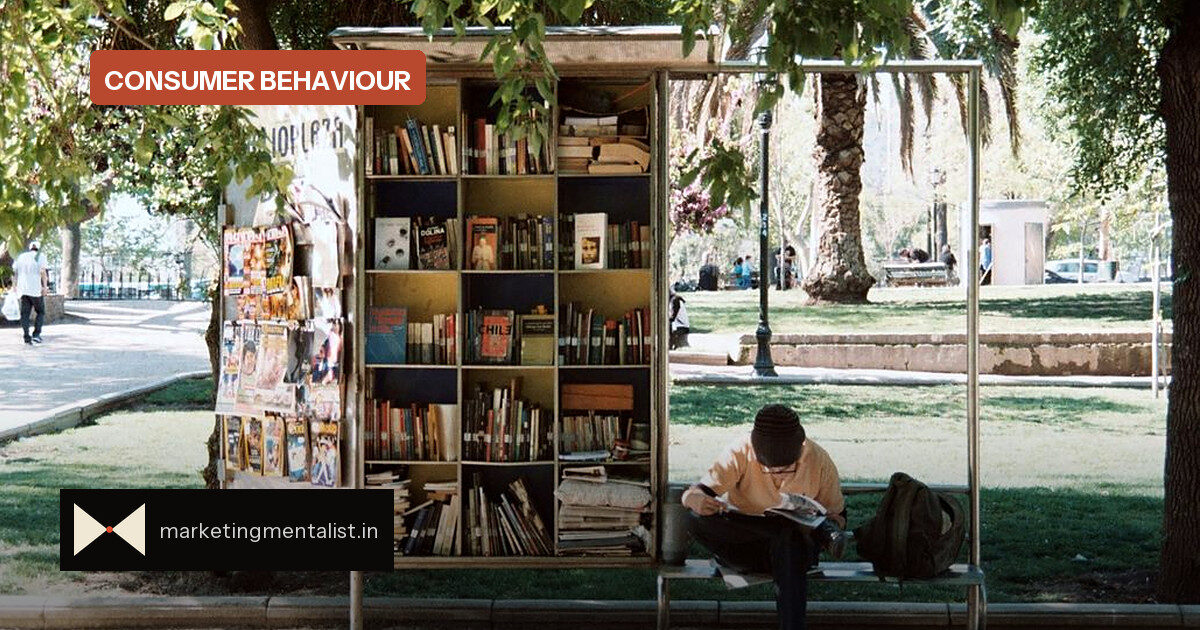
Afaqs! reports on a Bloomberg dispatch by Thu-Huong Ha: while the country’s adult reading rate has dropped to 38.5%, more than 75% of Gen Z read last year. In downtown Seoul, readers are visible along public waterways and other outdoor spots. The trend is also showing up in book-themed products such as milk cream buns, and books themselves are being carried as a fashion statement.
Author Han Kang’s 2024 Nobel Prize in Literature gave the scene a boost. Around a million copies of her books sold in the week after the announcement. But the report says youth fandom — not a single writer’s success — is the primary engine. In-person book clubs are pulling young readers together offline.
From private habit to social object
What makes texthip interesting is not that young people read. It is that reading has become a social object: something people use to signal taste, curiosity and belonging, much like a rare sneaker or a playlist. The product meaning changes from “something good for me” to “something that shows who I am”.
That reframing matters more than the format war between books and video. Short-form content and reading are not simply substitutes. One can satisfy quick stimulation; the other can satisfy identity, depth and community. Gen Z is choosing both for different jobs.
Three levers behind the trend
- Visibility: Public reading makes the behaviour easy to see and copy.
- Community: Fandom and book clubs turn reading from solo time into belonging.
- Identity: Books become badges of taste, which strengthens loyalty to the category.
What marketers can borrow
If your category feels like a chore or a commodity, look for the status and community layer. Make use visible. Add offline or public rituals. Let fans organise around the product. South Korea’s roughly 300 outdoor libraries do this by giving people low-friction, photogenic spaces to read for free. The behaviour becomes shareable precisely because it is public.
The bigger lesson is not “books are winning.” It is that identity and belonging still pull harder than passive attention. Brands that build for signalling, not just consumption, can stay relevant even when a faster medium owns the feed.
Source: Afaqs!