India Circus’ 300-400% Festive Surge, Bigg Boss to Gifting
How Godrej India Circus turned a recognisable Indian contemporary design and gifting culture into a 300-400% festive sales spike.
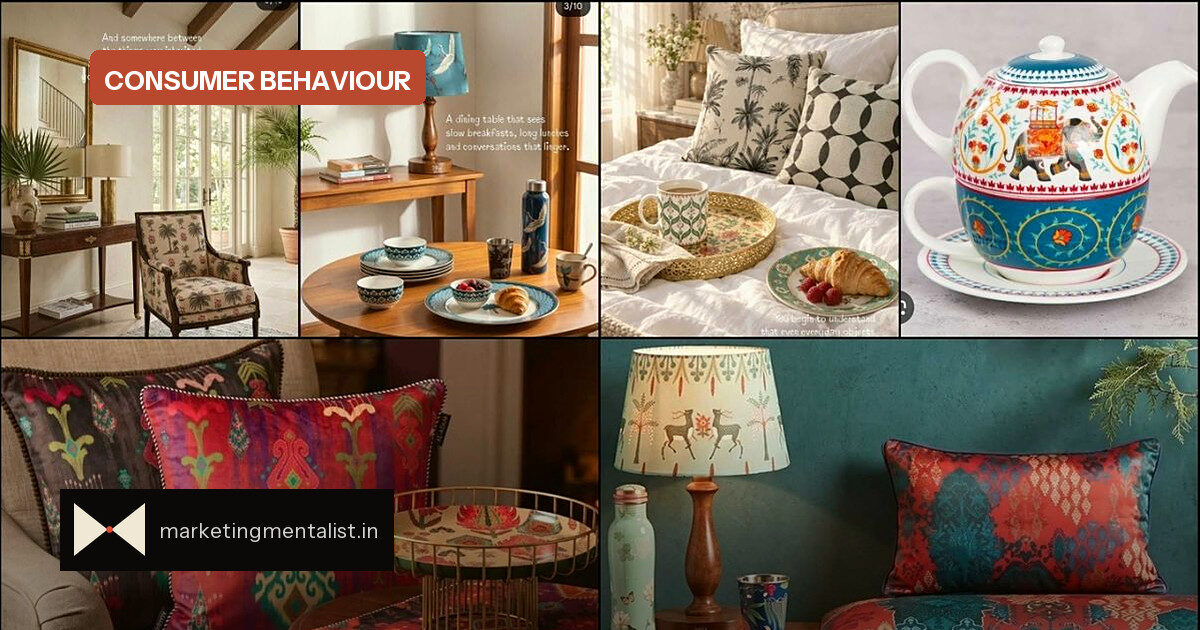
When a home decor label appears on the Bigg Boss set without paying for placement, the design is doing the marketing. India Circus, the Godrej & Boyce-backed home and lifestyle brand, has been spotted across films and shows because set designers simply walk in and buy its products off the shelf.
“Everyone’s using us. So people keep sending pictures saying we saw India Circus in this and that movie, also in Bigg Boss,” founder and executive director Krsnaa Mehta told Afaqs!. The brand has also appeared on The Kapil Sharma Show, Rise & Fall, Dabba Cartel and Resort.
A recognisable Indian contemporary signature
Founded in Mumbai in 2011, India Circus built its visual language from Mughal arches, peacocks, lotuses, block prints and regional flora and fauna. That consistent, unmistakably Indian-but-contemporary look makes the brand easy to spot on screen and easy to give as a gift.
Mehta positions it as mass premium: affordable enough for Shoppers Stop, but not D-Mart. Cushion covers start at Rs 499, acting as an entry product, while furniture goes up to Rs 19,999. The hottest categories are dinnerware, home decor and textiles.
The gifting engine behind a 300-400% festive spike
India Circus has become a default festive gift. Mehta says festive sales have jumped 300-400%, partly on corporate bulk buying for Diwali. Anecdotally, friends told him they had received several India Circus gifts from different people, a word-of-mouth loop most brands cannot buy.
- An entry price under Rs 500 gives new buyers low-risk trial.
- Distinct motifs make the brand instantly recognisable in a gift bag or on screen.
- Gifting works as sampling: one host gift becomes a room full of potential buyers.
Internal data shows smaller products skew toward 25-40-year-olds, while more sophisticated offerings attract 35-60-year-olds. “Aunties will come buy stuff worth Rs 50,000-60,000, while the young couples will buy Rs 15,000-20,000 worth of stuff,” Mehta explains.
Second homes and the offline advantage
The brand’s Alibaug store revealed a behaviour most decor retailers miss. Weekend second-home owners visit each other for dinner, and Mehta says 60-70% of people at those dinners carry India Circus bags as host gifts. That insight has made leisure hubs such as Goa and Coonoor the next store targets.
It also explains why offline is 60% of sales. In store, people buy a whole bunch; online, they often buy just one item. The basket difference matters more than the channel split.
What marketers should borrow
The Indian home decor market is projected to reach $42.36 billion by 2034, growing at 5.18% from 2026, according to IMARC. North India is the biggest slice at 33%. India Circus is chasing that demand through Shoppers Stop shop-in-shops and Tier-2 cities such as Raipur, Chandigarh, Amritsar and Ludhiana, where spending power is strong.
The brand spends 25% of annual revenue on advertising: Meta to reach younger buyers, print for the older business audience that delivers the highest tickets. The lesson is not a single channel; it is a product designed to be recognised, gifted and bought in multiples.
Source: Afaqs!