What Messi’s farewell can teach brand custodians about turnarounds
Lionel Messi's late-career turnaround for Argentina offers a playbook for brands that need to reverse a narrative, from Vera Wang to Nykaa.
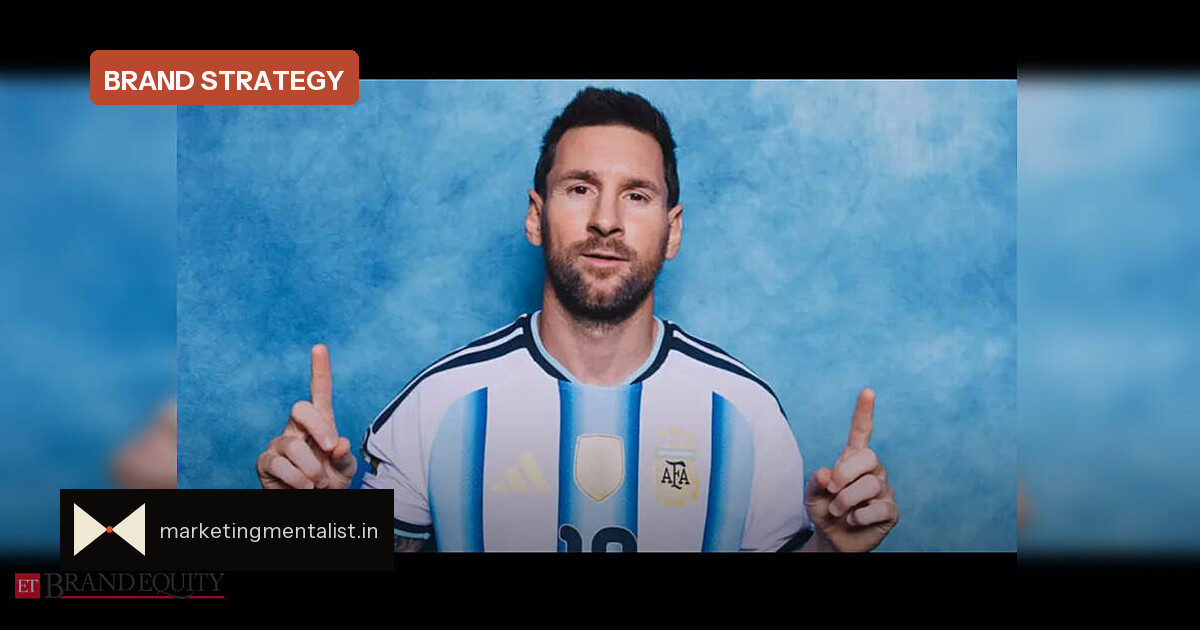
Lionel Messi’s final appearance in Argentina’s colours at Estadio Monumental closed a two-decade relationship. But the bigger story for brand custodians is the shape of that career: an early stretch of international disappointment followed by a ferocious second act that changed how he is remembered.
Messi’s club career at Barcelona set an absurd standard. His Argentina career, for years, did not match it. He reached the 2014 World Cup final and multiple Copa América finals and lost them. He briefly retired after a Copa América penalty shootout loss to Chile, then reversed that decision. The eventual reward was a Copa América title in 2021 and the World Cup in Qatar in 2022. That reversal is where the marketing lessons sit.
It is never too late to rebuild the story
Before Qatar, Messi’s international career looked good but not extraordinary at 35. Vera Wang offers a parallel. She missed the US Olympic figure-skating team, spent 17 years in journalism, and only designed her first wedding gown at 40. Her first boutique came at 41 and reshaped the bridal industry. The lesson: a brand’s current chapter does not have to be its final chapter.
Changing your mind is a strategy
After that loss to Chile, Messi announced his international retirement. Friends, former legends and even Argentina’s then-president coaxed him back. He returned to score relentlessly.
Marketers often treat a reversal as a weakness. The better frame is flexibility. Ramesh Chauhan of Parle Bisleri initially doubted Ambience Advertising’s “Taste the Thunder” line for Thums Up. He slept on it, reconsidered, and approved what became an iconic slogan. A changed decision can be a creative breakthrough.
When late, overcompensate
For much of his Argentina career, Messi faced two burdens: his Barcelona brilliance and Diego Maradona’s shadow. His later goals and trophies were an overt form of overcompensation that silenced detractors.
Marvel ran a similar play. Near bankruptcy at the turn of the century, it chose to produce its own films. That bet built an interconnected franchise and the Avengers era. A slow start does not have to end the score; an outsized second half can flip it.
Earn relatability before loyalty
Argentine fans long saw Messi as an outsider—he left for Spain at 13 and had a calmer temperament than their volatile idols. At the Qatar World Cup, he showed a scrappier, more confrontational side, and that helped him cross into the hearts of fans.
Brands face the same threshold. Relatability is not automatic. Pepsi’s India entry, built on “yehi hain right choice Baby”, made the brand sound local, and later work like “yeh dil maange more” kept it inside young India’s conversations.
No turnaround is solo
Messi’s early tournaments came at his physical peak, but the supporting cast was not there. The arrival of coach Lionel Scaloni and a younger, harder-running squad made the difference.
That holds for brands entering crowded categories. Nykaa built trust in Indian beauty not through traditional advertising alone but through micro-influencers, star-kids and immersive events such as Nykaaland. The support system turned a crowded category into a strong position.
What to do with this
- Treat a weak first chapter as a second-act opportunity, not a final verdict.
- Give reversal decisions room—sleep on it, invite challenge, then approve the bolder path.
- Find a local voice or behaviour that makes a distant brand relatable.
- Build a team, influencers or community that can assist the turnaround instead of going alone.
Source: ETBrandEquity.com