Mastercard Priceless: The Psychology Behind the Ad
How Mastercard's 1997 'Priceless' ad used anchoring and mental accounting to reframe small card spending as emotional value.
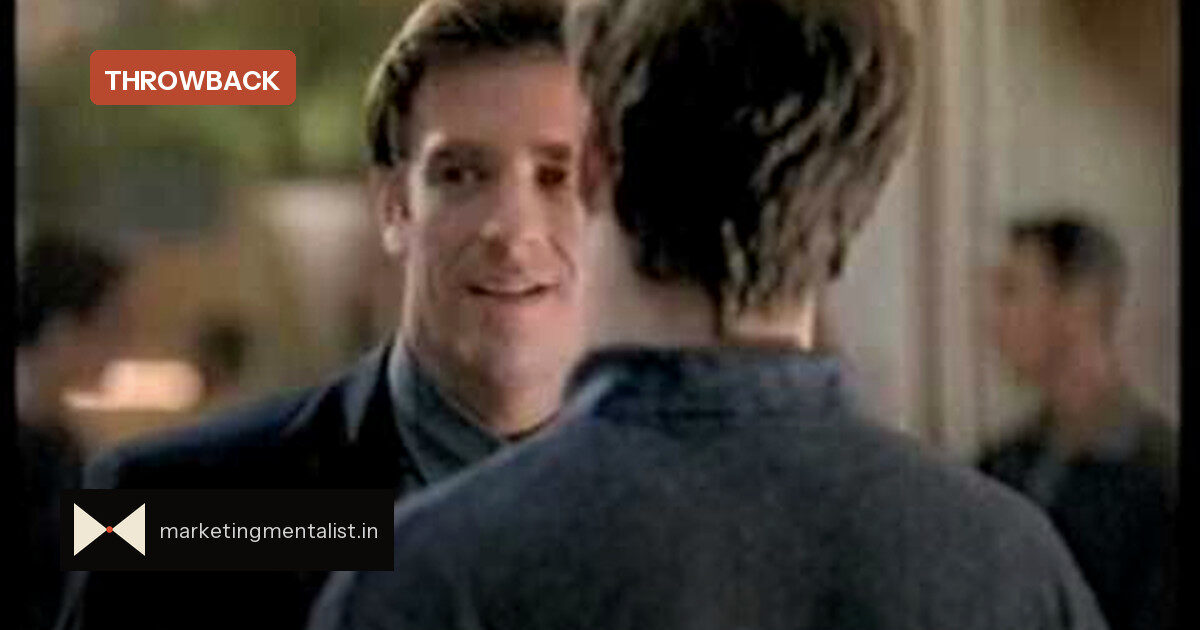
Mastercard’s ‘Priceless’ spot first aired in 1997, created by McCann Erickson. It opens with a father and son at a baseball game, and it spends most of its time on the small, forgettable costs of the day. The final frame refuses to price the moment at all.
There are some things money can’t buy. For everything else, there’s Mastercard.
That structure did something unusual for a payments brand: it made the card feel like a supporting actor in a memory.
The ad and when it ran
Mastercard launched the first ‘Priceless’ television spot in 1997, with McCann Erickson behind the work. The film follows a father and son through a baseball outing — tickets, snacks, a souvenir — and lets the price of each item sit on screen. At the end, the ad withholds a price and gives the scene a single word: priceless.
The campaign was not built around rewards, rates or card features. It was built around a reframe: spending is just the small, rational cost of an irreplaceable emotional moment. That reframe gave Mastercard a way to talk about feelings without pretending the card was the feeling.
The levers it pulled
The ad’s power came from three behavioural principles working in sequence:
- Anchoring: The itemised prices create a running mental total. By the time the word ‘priceless’ appears, the viewer has been doing addition — and the emotional payoff lands harder against that small, specific baseline.
- Mental accounting: The film opens a separate mental bucket for a memory, not a purchase. It tells the viewer that card spending can be filed under ‘fatherhood’ or ‘moments,’ not under ‘debt.’
- Peak-end rule: The spot builds toward a peak and finishes on the tagline, so what people remember is the feeling, not the features. The ad is engineered to be remembered by its final emotional beat.
What it did for the brand and the culture around it
‘Priceless’ became far more than a campaign. It gave Mastercard a repeatable brand platform that ran for decades and travelled across markets. The tagline turned into shorthand — people began using ‘priceless’ to describe any moment that felt beyond price, often without thinking of the card at all.
That is the rare prize in branding: the campaign became part of everyday language. It also repositioned Mastercard from a payments utility into an emotional brand, which made it harder for competitors to compete on price alone. The campaign showed that a credit card could be the quiet enabler of memory instead of just a debt product.
What still works today and what would not
The core contrast — small price, large feeling — still works. Listing costs remains a wonderful attention device because it forces the viewer to calculate and then interrupts the calculation with emotion. The tagline’s two-part structure also remains a masterclass: ‘money can’t buy’ opens the gap, ‘for everything else’ closes it with the product.
What would not work as well is the stage dressing. A single father-son baseball trip reads as narrow and gendered to many audiences today, and a linear TV spot with no interactive layer would miss how people now meet brands. The insight isn’t dated, but the casting and channel plan are.
The lesson endures because it is transferable: anchor on the small, specific cost and land on the emotional outcome. That is a formula any brand can use when it wants to feel less like a transaction and more like a memory.
Watch the original: Mastercard on YouTube