The psychology of the ad: Share a Coke
How replacing the front-of-pack logo with first names turned a mass-produced drink into a personal ritual and lifted Coca-Cola's relevance.
The ad and when it ran
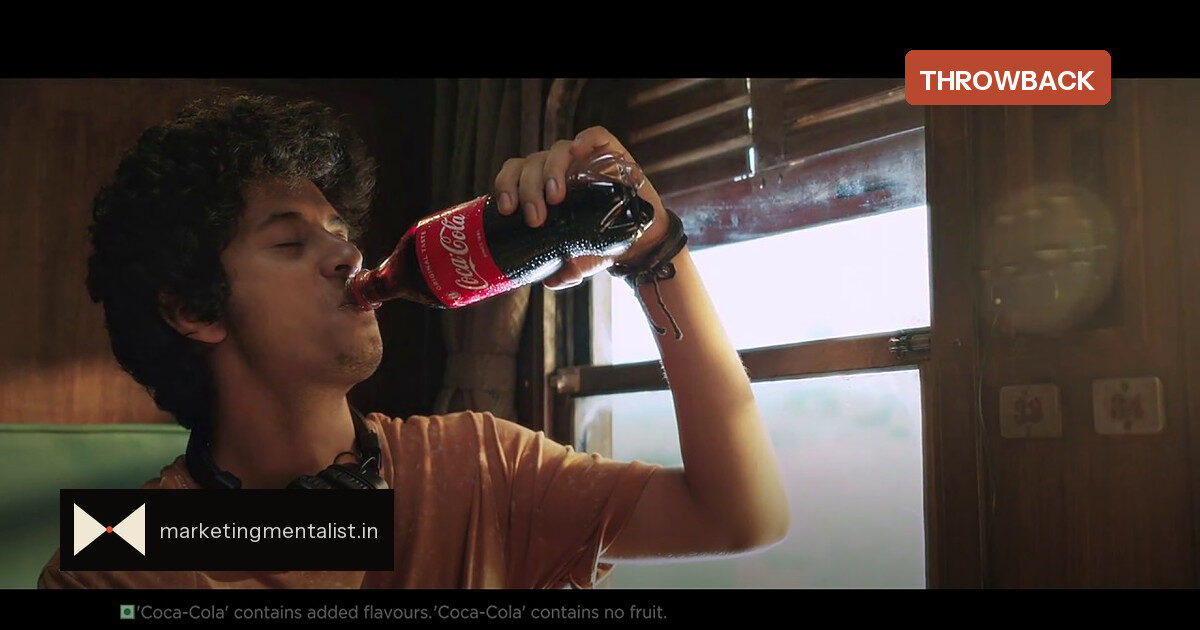
In 2011, Coca-Cola did something almost unthinkable for a brand built on the world’s most recognised logo: it swapped the front-of-pack branding for 150 of Australia’s most popular first names. The campaign was called ‘Share a Coke’, and this 2018 film revisits the idea. The message stays the same: the product is not the bottle; the connection is.
The original run invited people to find their own name and buy a bottle for someone they wanted to reach. The film dramatises those small moments of recognition and giving, making the branded object feel like a social cue rather than a soft drink.
The levers it pulled
The campaign leaned on three powerful behavioural principles.
- Self-reference effect. Our brains prioritise information related to ourselves. A first name on a label turns a mass-market shelf into a personal signal. The film captures that hair-trigger pause when a name is noticed, using the bottle to create ownership before any purchase happens.
- Endowment effect. People value things more once they feel they own them. A bottle printed with your name starts to feel like your bottle, even in the store. The campaign manufactures a sense of possession for an everyday, low-involvement product.
- Reciprocity. By framing the purchase as a gift, the ad changes the buying motive. A personalised bottle is an act of noticing someone, and that act invites a return. The drink becomes a token of social exchange.
What it did for the brand and the culture around it
In Australia, the campaign became a cultural scavenger hunt. People hunted for their names, swapped bottles with friends and posted photos of the labels. It gave consumers a reason to choose Coke at the fridge, but more importantly, it gave them a reason to talk about the product before they opened it.
The packaging itself became a media channel. A bottle with a name on it was a tiny out-of-home ad carried around by customers. Over the following years, variants appeared in markets around the world with local names and nicknames. Marketers noticed that mass personalisation did not have to be digital or expensive to feel individual. Coca-Cola’s team also credited the idea with lifting sales and making the brand feel young again.
What still works today and what would not
Personalisation now feels inevitable. Everything from coffee cups to email subject lines uses the same self-reference lever. The gift frame remains powerful, and packaging as a social object still works in a phone-camera world. Brands can still learn from the discipline of making the customer, not the product, the hero.
What would be harder to repeat is the surprise. A name on a bottle is no longer novel. Shoppers also expect more than a printed name: they want recognition that reflects their preferences, not just a shortlist of common labels. A campaign that excludes uncommon names can quietly frustrate the very people it wants to flatter. For it to work now, the personalisation has to feel closer to real identity and be supported by a sharper funnel than a summer scavenger hunt.
Watch the original: Coca-Cola on YouTube