How Closeup Made Fresh Breath a Romantic Signal
The Indian ad that turned fresh breath into a cue for romantic confidence—and what it still teaches about selling social outcomes.
The ad and when it ran
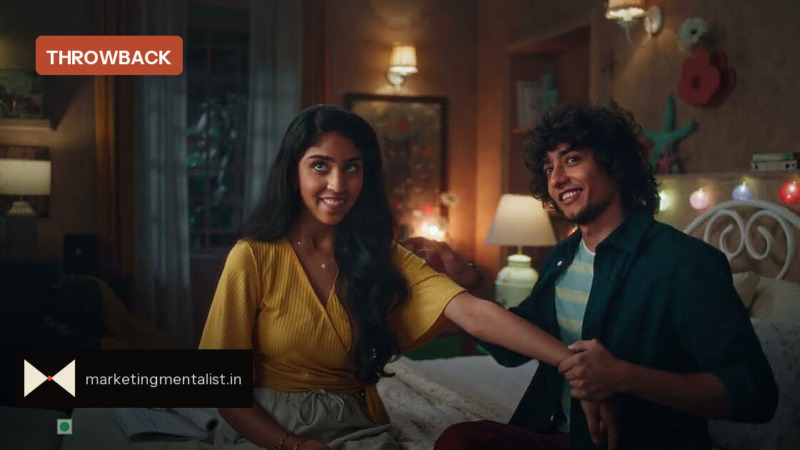
Closeup entered Indian bathrooms as an oral-care product, but its advertising refused to talk like one. The campaign asked a simple, loaded question: “Kya aap Close Up karte hain?” It ran in an era when toothpaste advertising in India largely meant cavity protection, fluoride and a family smile. The ad made fresh breath not a health metric but a social cue—something you needed before you leaned in.
The exact year is harder to pin down than the memory it created. The line became a recurring brand platform, returning in different forms over the years rather than living as a single one-off execution.
The levers it pulled
The film borrowed more from behavioural science than from dental science.
- Arousal transfer. The ad tied the brand to charged, intimate moments—eye contact, closeness, the pause before a first kiss. That excitement gets attributed to the product, so Closeup starts to feel like the cause of the confidence, not just the breath freshener.
- Social proof. The question “Kya aap Close Up karte hain?” implied a norm: the people who get close, get chosen and get kissed already use it. Not using Closeup isn’t a preference; it’s a risk of being left out of the moment.
- Emotional repositioning. Closeup stopped competing on the rational axis of oral hygiene and moved to an emotional axis of attraction. The product’s functional role—fresh breath—became a means to a romantic end.
What it did for the brand and the culture around it
It gave Closeup a durable territory in a market where Colgate had long owned family trust and cavity prevention. Closeup became the youthful, confident, slightly daring brand—the one for people who cared about being kissable, not just cavity-free.
Culturally, the tagline slipped into everyday Indian conversation. It worked as a question about the product and a nudge about readiness for intimacy. That ambiguity made the line stick far longer than most jingles.
What still works today and what would not
The core insight still works: sell the social outcome, not the ingredient. Buyers do not want fresh breath; they want the confidence to stand close and the permission to be desired. That is a transferable brand lesson.
What would not work is the execution’s narrow romantic script. The boy-pursues-girl framing, the implied test of worthiness and the lack of a clear functional proof would feel dated in a market that now expects more inclusive casting and more substance—whitening, enamel safety, sensitivity—alongside the emotion. A modern Closeup ad would keep the closeness, but would need to earn it with both chemistry and confidence.
Watch the original: Closeup on YouTube