Sprite Seedhi Baat No Bakwaas: The Psychology of Blunt Marketing
How Sprite's Seedhi Baat No Bakwaas used plain-speak, schema violation and in-group identity to turn a soft drink into a challenger voice.

The ad and when it ran
Sprite’s Indian work settled into a long-running platform around a line that has outlived any single film: Seedhi Baat, No Bakwaas. The campaign took shape in the 2000s and kept resurfacing, a compliment to how firmly India’s soft-drink advertising had become a parade of celebrity gloss, slow-motion pours and overblown thirst.
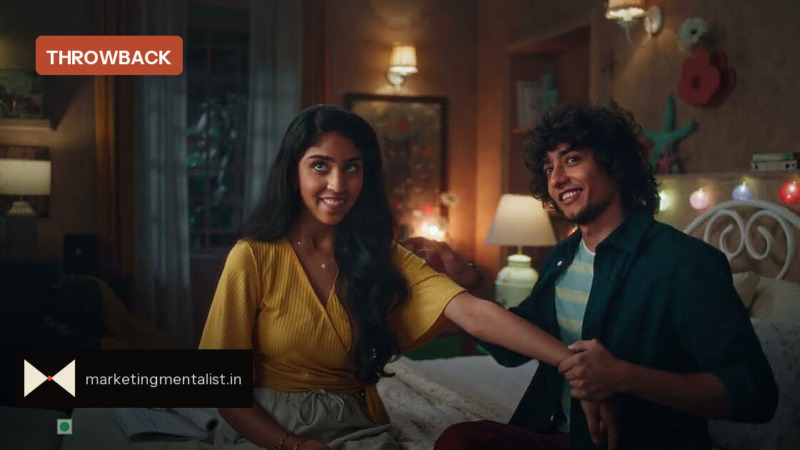
This spot works like a conversation. A young man faces a series of conventional setups and answers them with undecorated, deadpan clarity. The production doesn’t try to dazzle; it lets the absence of fuss become the joke. Sprite is present not as the hero of a story, but as the only brand in the room refusing to pretend the story is serious.
The levers it pulled
The film leaned on at least three behavioural ideas.
- Schema incongruity. A soft-drink ad is supposed to look and sound a certain way: high energy, cinematic thirst, polished aspiration. Sprite broke the category schema with low-key scenes and plain speech. The brain gives extra attention to category violations, which made the brand’s calm bluntness more memorable than a louder cola ad.
- Reactance reduction. The spot positions itself against bakwaas advertising. By acknowledging that soft-drink marketing is usually noise, it disarms the viewer’s automatic resistance to being sold. The message becomes: we are not doing the nonsense to you, so the purchase suggestion feels like information, not pressure.
- In-group signalling. Seedhi baat is colloquial Indian speech, not a polished promise. Using it invites the viewer into a group of people who value straight talk. Choosing Sprite becomes a small identity statement: I am someone who sees through fluff, not just someone who is thirsty.
What it did for the brand and the culture around it
Sprite got a verbal identity at a time when the cola giants fought mostly on celebrity scale and refreshment imagery. Seedhi Baat, No Bakwaas gave the brand a challenger personality: less sparkle, more candour. That line became quotable shorthand, the way strong brand voices do. It travelled beyond media spend into everyday language, which is rare for a packaged drink.
Culturally, it fed a growing appetite for anti-hype. The campaign told young Indian consumers that they were right to distrust exaggeration. Instead of fighting that scepticism, Sprite borrowed it.
What still works today and what would not
The core idea remains sharp: pick a category’s fakest habit, name it, and make honesty the product’s personality. Brands that do this well get remembered for their voice rather than their features.
- Still works: an owning phrase, colloquial language, and a consistent refusal to overclaim.
- Would not work: running we are honest as a one-off without a clear category villain; audiences now sniff out performative candour quickly.
- Would not work: translating the Hindi-English wordplay too literally for every market, because the in-group cue depends on local speech.
The lesson isn’t be funny. It’s be the brand that finally says the thing everyone else is dressing up.
Watch the original: Sprite on YouTube