The Psychology of Colgate’s Namak Toothpaste Ad
How a simple question about salt in toothpaste turned a household ingredient into a reason to switch—and a masterclass in consumer psychology.
The ad and when it ran
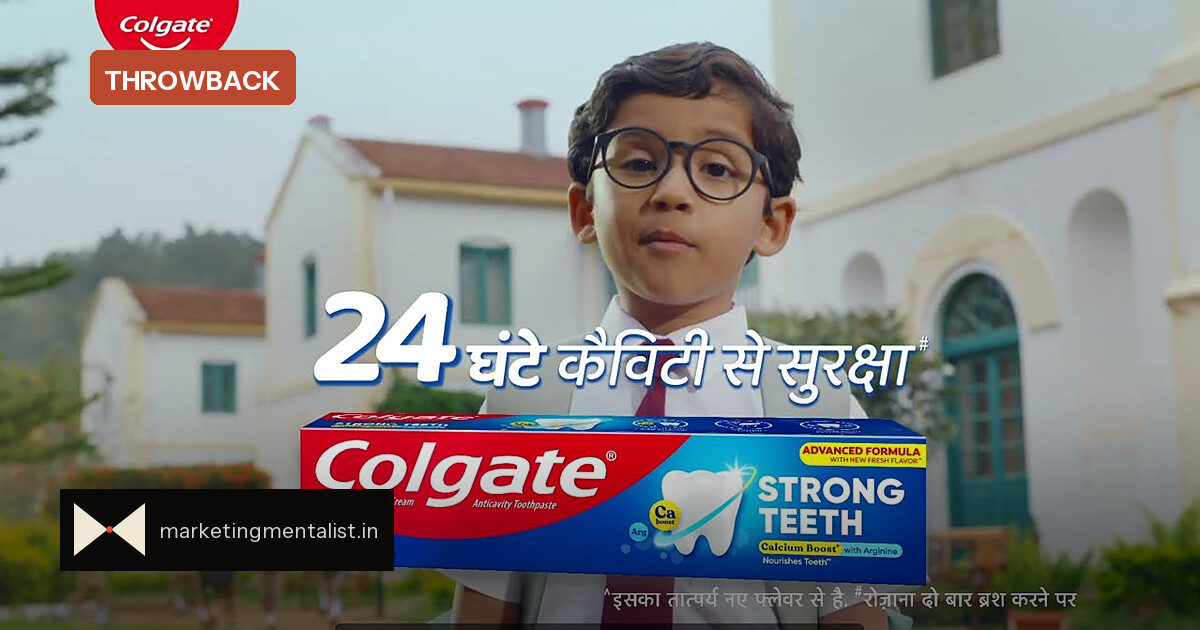
Colgate Strong Teeth’s “Kya Aapke Toothpaste Mein Namak Hai?” became one of Indian advertising’s stickiest interrogations. The television film ran in a competitive era for India’s oral-care market, and it did not need a busy storyline. It used one direct question to put the viewer’s current toothpaste on trial.
The brand did not have to invent a new ingredient; it elevated something already sitting in every Indian kitchen. That made the film feel less like a product pitch and more like a small, personal audit.
The levers it pulled
The film worked because it stacked three behavioural principles in a very simple sequence.
- Authority bias. The film performed expertise instead of entertainment. The question came across as advice from a dental authority, which gave the salt check more weight than an ordinary sales line.
- Self-referencing effect. The question forced viewers to think about their own toothpaste, not the brand’s. That moment of self-audit made the message personally relevant before the product claim fully landed.
- Salience. Salt was already familiar, trusted and tied to cleanliness in Indian households. The ad did not explain cavity science; it attached a known kitchen ingredient to the brand and made that one attribute the reason to switch.
Together, these levers compressed the selling argument into a single check. The answer made the brand’s difference feel obvious rather than technical.
What it did for the brand and the culture around it
The ad turned Colgate Strong Teeth into the “namak wala toothpaste” in the minds of many Indian consumers. Salt became shorthand for cavity protection, and the brand got an ownable ingredient story that was easy to remember and repeat at retail counters.
Culturally, it gave Indian advertising a lasting lesson: a common household ingredient can carry as much persuasive weight as a lab test if the framing makes it feel like proof. The campaign nudged the category conversation away from an abstract promise of cavity protection toward a single, checkable ingredient.
What still works today and what would not
The core device still works: ask a direct question, make the consumer audit their current choice, and anchor the difference to one vivid attribute. That is why modern brands still try to own functional ingredients like neem, charcoal or salt in their categories.
What would not fly as easily today is the absolute claim. The phrase “cavity-proof” carries a certainty that today’s regulators and fact-checkers would demand far more evidence for than the original television spot had to provide. A modern remake would need to soften the absolute promise and support the salt angle with transparent proof.
What endures is the psychology: give people a familiar cue, ask them to check their own behaviour, and the ad becomes a private conversation rather than a broadcast.
Watch the original: Colgate on YouTube