The psychology of Brooke Bond Red Label’s Swad Apnepan Ka
How Brooke Bond Red Label's Swad Apnepan Ka films used belonging, identity and social norms to turn tea into a quiet act of inclusion.

The ad and when it ran
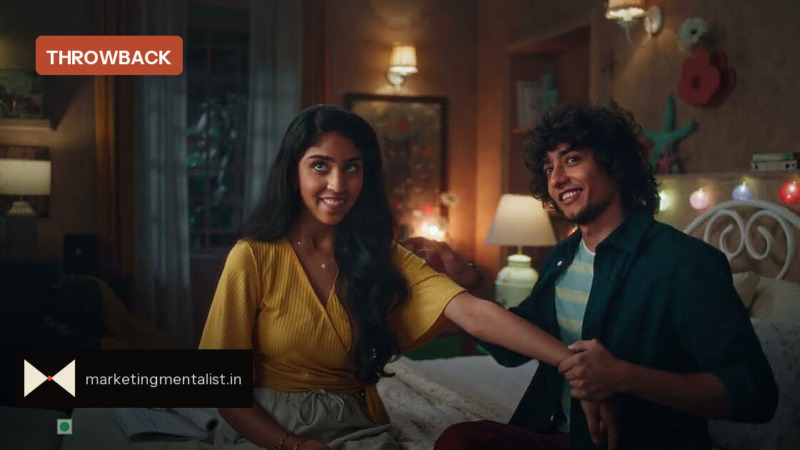
Brooke Bond Red Label has sold tea in India for generations. But with the ‘Swad Apnepan Ka’ campaign, the brand stopped asking people to notice the tea and started asking them to notice each other. The platform ran through the 2010s and into the early 2020s, with a series of short films built around one idea: a cup of tea can hold a relationship that the world has not yet made room for. The tagline, ‘Swad Apnepan Ka,’ points to the taste of belonging, of one’s own, of togetherness.
This particular film does not show a product demonstration. It sets up a quiet social divide, lets it breathe, and then hands a cup of tea the job of crossing it. The exact year matters less than the territory the brand claimed.
The levers it pulled
The film’s power is not in its message but in the behavioural shortcuts it triggers.
- Social identity and in-group bias. People instinctively sort the world into ‘us’ and ‘them.’ The film starts with a character inside a familiar in-group and lets the discomfort of excluding someone settle. Tea becomes the ritual that quietly expands the boundary. The ad never scolds; it simply offers a larger ‘us’ and makes it feel warm.
- Ritual and cognitive fluency. Making tea is already automatic for millions of Indian households. By attaching inclusion to that existing routine—boiling, pouring, offering—the ad makes a socially significant act feel low-effort and familiar. Viewers do not have to learn a new behaviour; they only have to add meaning to one they already do.
- Affective transfer. The warmest emotional moment in the film is deliberately paired with the brand’s red pack. Over repeated viewings, the feeling of acceptance starts to live inside the product itself. Later, seeing the pack is enough to summon the emotion.
Each lever works because it does not ask the audience to change its identity. It gives the identity somewhere softer to land.
What it did for the brand and the culture around it
In a category that had long competed on freshness, strength and price, Red Label carved out a different claim: apnapan. The campaign became a platform, not a one-off, and gave the brand a consistent role as a quiet social glue. Culturally, the films arrived before ‘purpose’ was a default FMCG strategy. They treated difference—across faith, age, class and ability—as a story worth telling in a short film, not a statistic in a report.
The brand is often credited with lifting tea advertising out of the kitchen and into social conversation. More importantly, it made Red Label feel bigger than a commodity while remaining a daily, mass-market product. That is a rare double move.
What still works today and what would not
What still works is the long-term consistency. Red Label did not run one diversity ad and retreat. It repeated the same emotional promise until the brand owned it. The core insight—that belonging is negotiated in small, repeated rituals—has not aged.
What would not work as easily now is the soft-focus approach. A modern audience is quicker to ask what the company does beyond the film. A belonging ad without visible action can read as borrowed virtue. The slow, sentimental reveal also competes with shorter, more cynical attention spans. Brands today need the emotion and the evidence, the story and the system.
Watch the original: Brooke Bond Red Label on YouTube