PepsiCo’s Price Flip-Flop Is a Loyalty Problem, Not a Pricing One
After cutting Frito-Lay prices in February, PepsiCo is now lifting some again. The real issue isn't margin strategy—it's eroding customer loyalty.
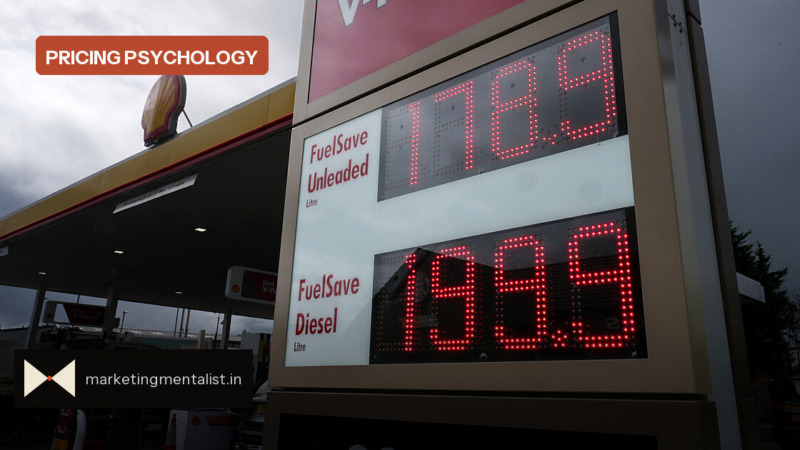
In February 2026, PepsiCo cut prices on a swathe of Frito-Lay salty snacks by up to nearly 15 percent after some bags had crossed $7. Retailers, led by Walmart, had been pushing for relief; Walmart even shifted shelf space to its own cheaper brands and competitors such as Takis. Now, only months later, PepsiCo says it will raise prices again on selected chips, dips and sodas, with increases expected late this year or early 2027.
The affected brands include Doritos, Ruffles and SunChips. PepsiCo says the increases reflect inflation and that prices will stay below where they were before February’s reductions. That is the financial logic. The brand logic is harder to defend: cut, promise affordability, then walk it back.
A reversal that reads as a signal
Bloomberg Businessweek distilled the starting point: “Doritos At $7 A Bag Cost PepsiCo Billions.” But the report also warned that lower prices might not be enough to lure customers back, especially with food, packaging and other operating costs rising. A price cut after years of increases can leave shoppers wondering whether the old price was honest all along.
PepsiCo is now balancing affordability against cost pressures. For marketers, the more pressing question is what the reversal does to perceived fairness and trust.
Loyalty changes the economics of growth
Loyal customers are usually less price-sensitive and more profitable to keep than to replace. The old research still lands: Frederick Reichheld and Earl Sasser showed that reducing customer defections by 5% could increase profits by 25% to 85% in the service businesses studied. Category economics vary, but the direction is clear – retention compounds.
That is why the Brand Preference Ladder matters. Customers move from awareness and familiarity up through commodity consideration and short-listing, then to preference and enthusiast loyalty. A $7 Doritos next to a $2.99 Santitas, both from the same house, does not punish the parent; it quietly teaches buyers that a cheaper alternative inside the same portfolio is good enough.
Trust is the multiplier in customer value
The relevant metric is not sticker price. It is Trustworthy Brand Value – what you get for what you pay, multiplied by trust. Customers do not calculate fairness from a cost ledger. They feel it through repeated experience. If a brand cuts prices and then raises them months later, trust can decay even when the new price is still below the old peak.
The same logic shows up in brand value differential. Toyota and GM built closely related cars at the same NUMMI plant, yet the Toyota version earned stronger demand and resale value. When brand power weakens, price must work harder, and often it cannot do the job alone, as KFC discovered when an old family-bucket promotion stopped pulling the response it once did.
For brand teams watching this unfold:
- Track each SKU’s position on the preference ladder, not just its margin.
- Signal the logic of a price move before it lands, so it feels fair and not arbitrary.
- Protect enthusiast buyers – they are the least expensive growth a brand owns.
- Avoid treating price as a lever for short-term margin at the cost of long-term preference.
PepsiCo is not unique. Campbell’s and Conagra are raising prices into the same cost headwinds. But every brand should ask the harder question: is this pricing action adding value, or quietly spending the trust that gives pricing power its force? Growth that lacks enduring brand preference does not compound; it just churns.
Source: Branding Strategy Insider