Festive electronics prices rise 5-8%: a pricing psychology test
Indian appliance brands are raising AC, TV and washing machine prices 5-8% from October 1. Here's why old-price inventory and festive demand still matter.
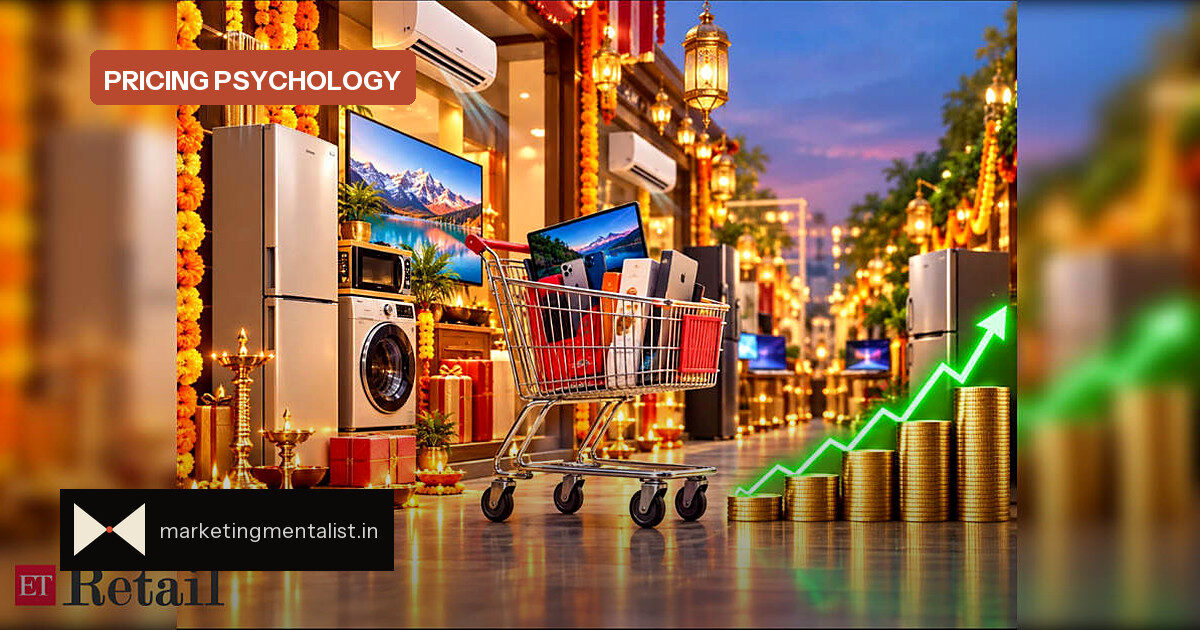
Indian shoppers are about to run into a contradiction: the country’s biggest sale season is opening with a price increase. Consumer electronics and appliance makers are set to raise air-conditioner, LED TV, washing machine and refrigerator prices from October 1, squeezed by higher copper, steel and aluminium costs, currency volatility and freight expenses.
It will be the industry’s third round of price hikes in 2026. Air-conditioners are expected to climb 5-8%, while some white goods and TVs rise 3-4%. Blue Star, Godrej Appliances, Haier, Daikin and Super Plastronics have confirmed or announced increases, while Panasonic is still evaluating market conditions.
The hike, in numbers
- 5-8% expected AC increase from October 1; some fridges, washing machines and LED TVs up 3-4%.
- $14,500 copper price per metric tonne, up from $8,000-9,000 last year.
- 15% cumulative increase Haier expects between October and January.
- 20% possible rise for smaller TV screens after Diwali, per Videotex.
- 30-40% of annual appliance sales that the festive window represents.
Why timing matters
The increase lands just before the peak festive cycle. That is not a small window: from Onam through Dussehra and Diwali, the season can account for 30-40% of annual sales for appliance makers. The first phase was strong, with durables volume up 12-15% and value up 18-23% year-on-year.
Yet dealers loaded inventory before the hike. Godrej Enterprises Group’s Kamal Nandi said pipelines would last about a month to one-and-a-half months. “Diwali should largely get covered with old-price inventory. Post-Diwali, the new prices will certainly take effect,” he told PTI.
The psychology of paying more in sale season
This is where reference pricing gets interesting. Festive shoppers hold a mental anchor: this is the time for discounts and offers. A cost-driven increase feels like a violation of that expected script, even when the buyer understands why it is happening. SPPL director Avneet Singh Marwah flagged exactly that tension, noting higher prices could weigh on demand because consumers usually expect promotional deals.
The old-price inventory smooths the shock. It lets brands open the season with continuity, then reset the reference price after Diwali, when the new benchmark is already visible.
Demand is not uniform, though. Kamal Nandi noted the premium segment is doing well, while the mass segment faces inflation pressure. InMobi Advertising’s survey found 77% of consumers planned to raise festive budgets, down from 83% last year, while the share planning to spend above Rs 50,000 rose by 2 percentage points. So the top of the market may absorb hikes; the value end may hesitate.
What marketers should do
If a cost hike is unavoidable, the work is in how it is framed. Tell buyers the cause before the price lands, and treat old-price stock as genuine urgency rather than a fake discount. Then plan for a two-speed response: premium buyers may keep buying, while mass-market shoppers need clearer value justification.
The bigger lesson is timing. A forced increase can become a conversion event if it is communicated as a window, not a surprise.
Source: ETRetail.com