
The Psychology That Makes Every Price End in 9
Left-digit bias and charm pricing explain why £3.99 outsells £4.00. Research shows when 9 works, and when a precise price wins trust.
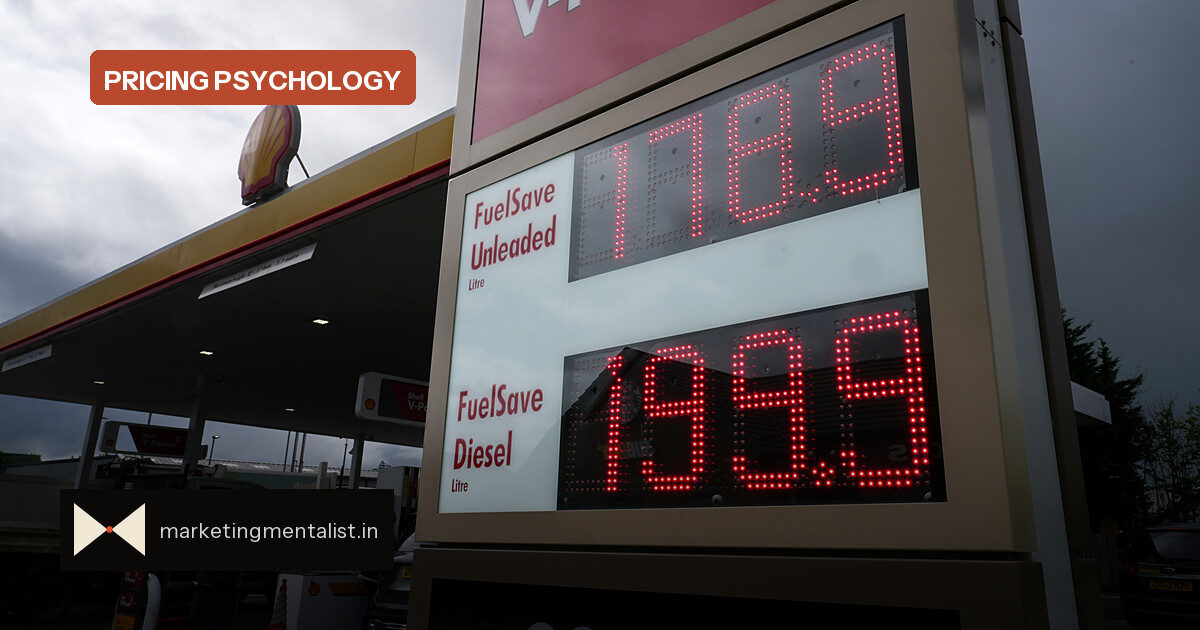
A nine at the end of a price is rarely a rounding error. It is one of the oldest, most durable nudges in retail.
What the research actually found
A UC Berkeley study examined why prices ending in 99 seem to work. The average person perceived a 99-ending price as 15 to 20p less than the next round number. In practice, £3.99 registers closer to £3 than £4. The same research linked that one-penny shift to sales increases of three to five times compared with pricing the item just 1p higher.
Behavioural scientists call this left-digit bias. Because Western shoppers read left to right, the first digit anchors the decision before the rest of the number is fully processed. The buyer does not compute £3.99 versus £4.00; they process “3” versus “4”.
It works beyond price tags
A University of Toronto study on car mileage showed how far the effect travels. A car with 79,999 miles on the odometer sold for $200 more than a car at 80,000 miles, and for the same as one at 79,899. The buyers were not responding to the true mechanical difference. They were responding to the left-most digit. 79,999 still lives in the 70,000s; 80,000 crosses a psychological threshold.
When charm pricing backfires
There are limits. A price of £19.99 will not look like a bargain beside £19.25, because the direct comparison gives the brain a more precise anchor. The same effect appears in property. A monthly rental of £2,199 next to a £2,200 reference can feel blatantly manipulative, while £2,175 reads as a fairer, more considered listing.
In pricing psychology, charm pricing belongs to a family of “just below” cues. The round number above sets an expectation, and the one-unit drop creates a small but meaningful sense of gain. The danger is treating it as a rule. High-involvement categories ask for evidence of fairness, not just a bargain signal.
How to use this
- Use 99 endings for fast, low-consideration purchases where the round number above is the natural comparison.
- Switch to precise pricing such as £2,175 when trust or close comparison matters.
- Audit the reference point. A 9 only helps when the next round number is the main comparison, not a lower competitor price.
The practical lesson is not “every price should end in 9”. It is that customers rarely read your price tag the way you do. They read the left digit first, compare to available anchors second, and feel the difference third.
Source: Joe.ie