Vicco Turmeric: How the Anti-Cosmetic Jingle Built Trust
The jingle framed an Ayurvedic cream as the opposite of cosmetics and became a trust mark. Here's the behavioural science behind it.
The ad and when it ran
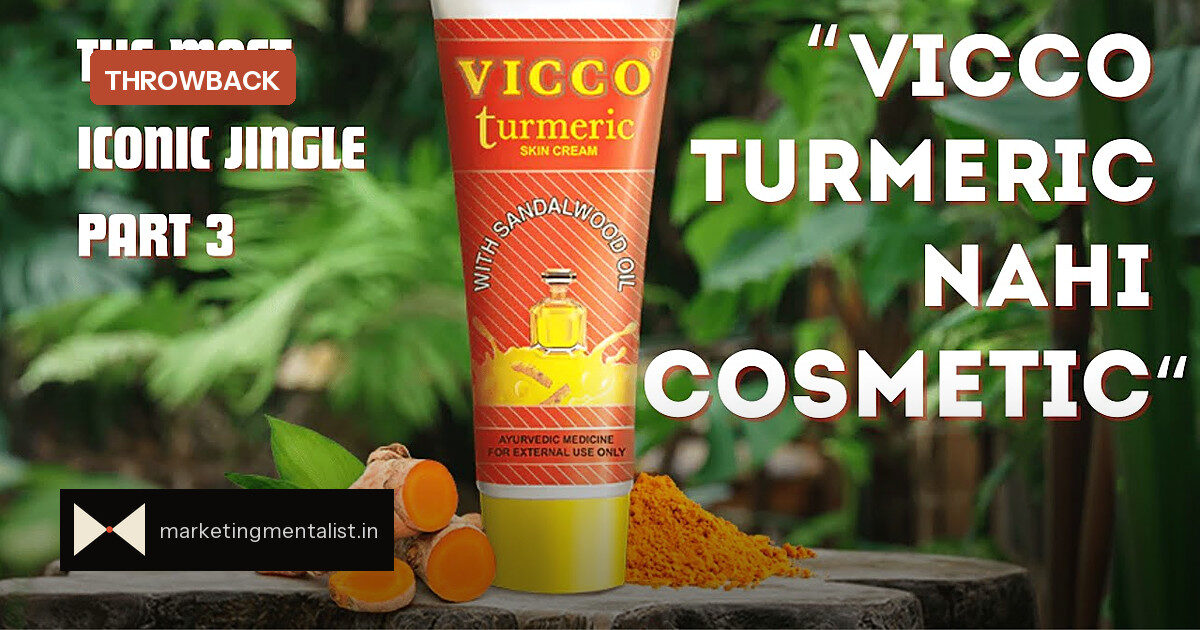
For anyone who grew up with Indian television, the Vicco Turmeric jingle is less a commercial than a household sound. It ran across the 1980s and 1990s and lingered on screens well beyond that. Exact dates matter less than the strategy: this was a long-haul repetition play, not a burst campaign.
The film sells an Ayurvedic turmeric cream. It could have shown soft skin or a beauty transformation. Instead it keeps returning to a single idea: this is not a cosmetic. That refusal is the strategy.
The levers it pulled
Three behavioural principles do most of the work.
- Category rejection. The ad defines Vicco Turmeric by what it refuses to be. The tagline is a contrast frame: consumers do not have to judge whether it is a good cosmetic; they are told it exists outside that category entirely. That lowers mental competition.
- The natural-is-good heuristic. Turmeric carries generations of Indian association with healing, purity and ritual. The film leans on that stored knowledge, so the product borrows the authority of Ayurveda rather than having to argue for a synthetic ingredient’s benefits.
- Mere exposure plus jingle fluency. The tune is built for repetition, and the brand name sits inside it. Repetition makes the claim feel familiar; familiarity begins to feel true.
Notice the order: the product is not introduced as beauty help first. It is introduced as an identity choice. The cream becomes something you choose if you care about what goes on your skin, not merely how it makes you look.
What it did for the brand and the culture around it
Vicco Turmeric had existed as an Ayurvedic preparation, but the campaign gave it a sharper public persona: the sensible, traditional alternative in a market that was becoming more about glamour and chemicals. The jingle kept the brand alive in memory for years, especially in middle-class households where budget and trust mattered more than aspiration.
Culturally, it tapped into a wider Indian unease about Western cosmetics. Long before clean beauty became a global category, Vicco was selling the idea that natural and Ayurvedic meant safer and more authentic. The ad didn’t create that belief; it mobilised it.
What still works today and what would not
The core move still works: define a product by what it refuses to be. Modern brands do this when they say they are not a makeup brand or not a soap. The refusal creates clarity.
What would need updating is the evidence. Today a claim that Ayurvedic equals safe must carry rigorous testing, supply-chain transparency and a more nuanced view of natural ingredients. The ad’s blanket contrast between natural and cosmetic would attract sharper regulatory scrutiny.
Also, the film’s slow, jingle-led format would feel like a heritage piece rather than a conversion asset. It would work as nostalgia content, not as a launch ad. Still, the hook remains brilliant: sell trust before you sell a benefit.
Watch the original: Vicco Turmeric on YouTube