Thums Up’s Taste the Thunder: Psychology of a Daring Cola
How Thums Up turned a cola into self-expression with Taste the Thunder, and the behavioural levers that made it a badge of daring.
The ad and when it ran
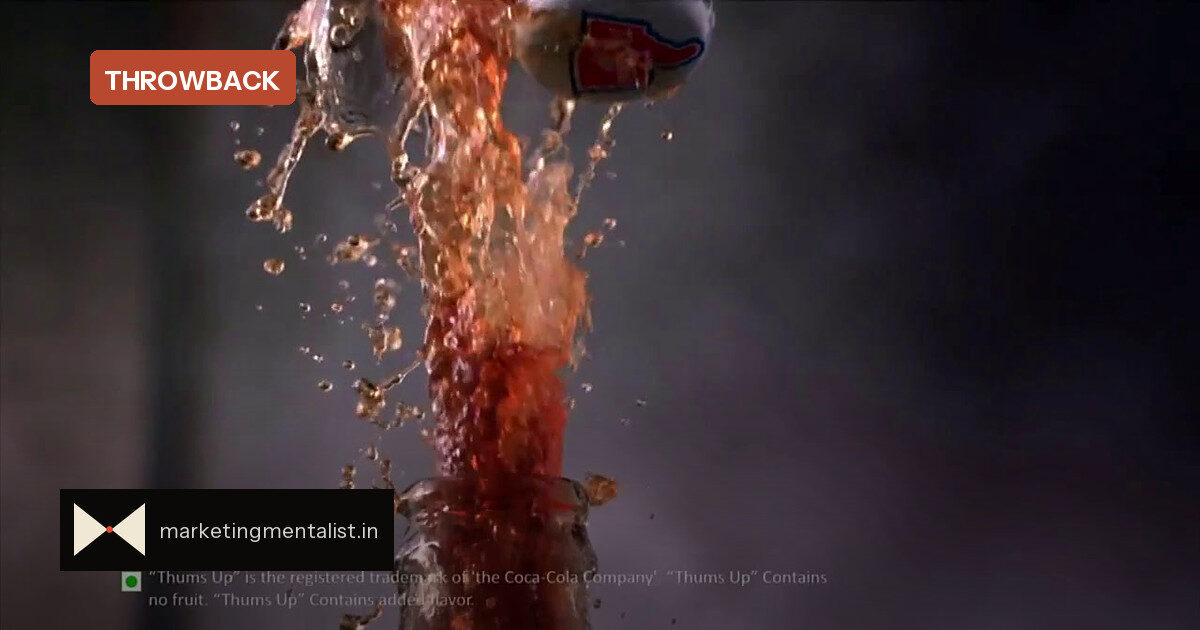
“Taste the Thunder” had already been Thums Up’s promise before the brand borrowed Salman Khan’s Tiger avatar. This particular film ran around the release of Tiger Zinda Hai, when the action franchise was at full cinematic heat. The brand did not have to explain a character. It simply lifted the mood: a hero who walks into danger and dares it to blink.
The spot works less as a product demonstration than as a personality test. If you want to see yourself as that hero, the cola in your hand becomes proof.
The levers it pulled
Three behavioural ideas do the heavy lifting.
- Identity signalling. The hero is not shown as thirsty; he is shown as the kind of person who moves toward risk. Thums Up appears as the reward for boldness, not the cure for a dry throat. The film hands the viewer a ready-made badge and makes purchase a small act of self-expression.
- Arousal transfer. The action, score and recurring thunder create a rush. That physiological charge has to go somewhere; because the brand is right there, the viewer misattributes some of it to the cola. Intensity feels like an ingredient.
- Sensory metaphor. “Taste the Thunder” asks the brain to map a sound and a threat onto flavour. That cross-sensory leap makes the product feel more extreme than a cola can be on taste alone.
What it did for the brand and the culture around it
The campaign gave Thums Up a clear cultural job: this is the cola for people who don’t wait for permission. In a market where cola advertising often leaned on refreshment, friendship and social ease, Thums Up claimed intensity. That reinforced the brand’s local challenger energy and its reputation for a stronger, sharper taste.
The tie-in also allowed Thums Up to borrow scale from cinema without becoming a trailer. It took the adrenaline of a blockbuster and wrapped it around a bottle, so the brand felt like part of the event rather than an interruption.
Culturally, the ad made buying a cola feel less like selection and more like declaration. That is a useful trick in a country where cola is personal, local and emotionally loaded.
What still works today and what would not
The identity-first insight still works. People often buy products to become a version of themselves, and a clear persona gives them a short cut. Borrowing heat from a live cultural event—a film, a star, a moment—also translates well to short video and influencer-led marketing. A three-word sensory slogan remains a sharp way to make an abstract brand asset memorable.
What has aged is the lone-alpha framing. A cola built mostly on masculine risk may not stretch easily across today’s gender and wellness codes. Keep the thunder if you like, but the hero’s swagger would need a more inclusive, self-aware edge to feel modern.
Watch the original: Thums Up on YouTube