
Tag: <span>consumer psychology</span>
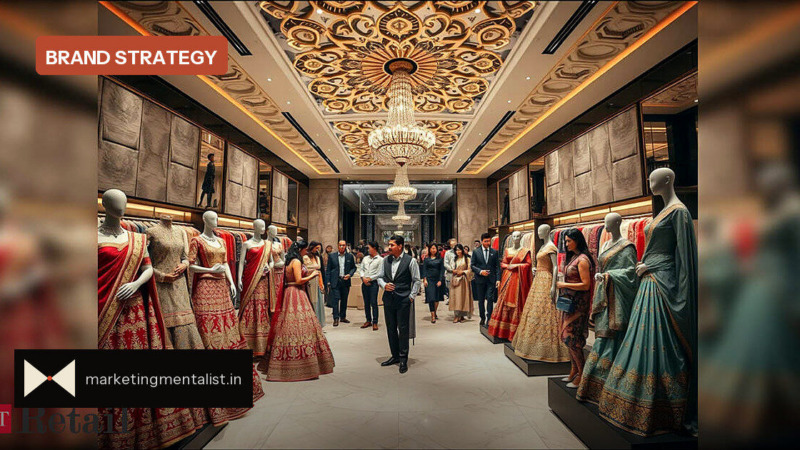
20,000 Sq Ft Flagships Turn Stores Into Brand Worlds
Indian designer fashion is betting on immersive flagships. Inside the architecture, psychology and pricing power behind the new brand worlds.
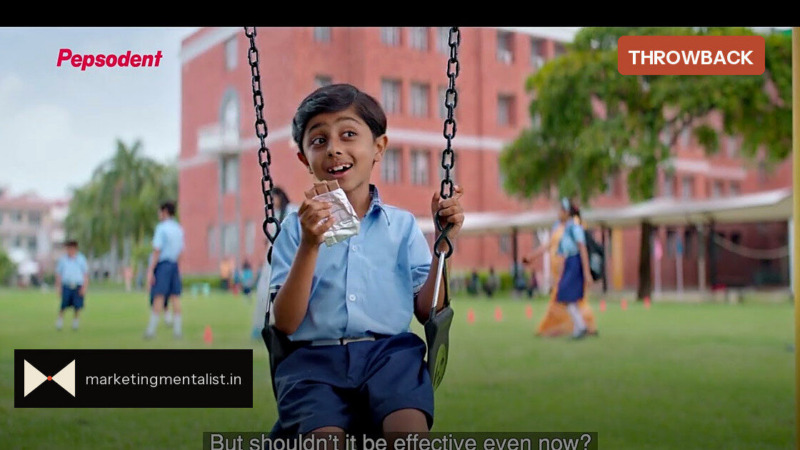
The Psychology of Pepsodent’s Dishoom Dishoom
The throwback ad that turned tooth-brushing into a daily battle kids wanted to win—and the behavioural levers that made Pepsodent stick.
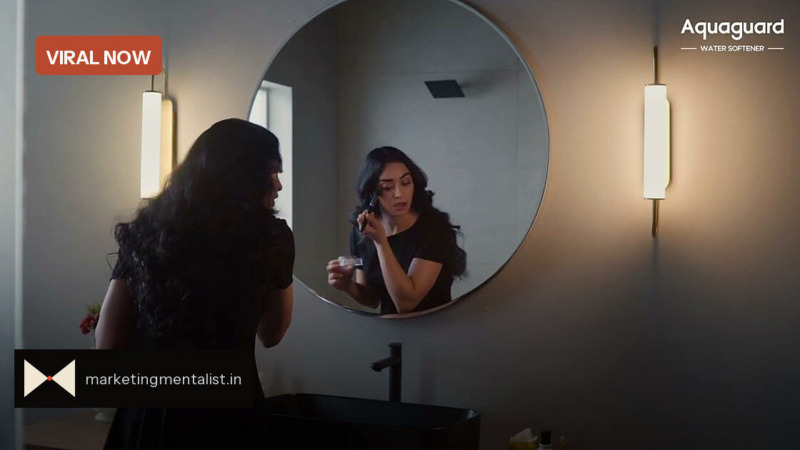
Aquaguard Life Hard Nahi ad flips hair fall blame to water
Why Aquaguard’s ‘Life Hard Nahi, Aapka Paani Hard Hai’ works: Parul Gulati helps the brand reframe hair fall as a hard-water problem,…
How Complan Made a Health Drink a Childhood Badge
The 'I'm a Complan Boy / I'm a Complan Girl' ad didn't sell nutrition—it sold a childhood identity. A throwback look at…
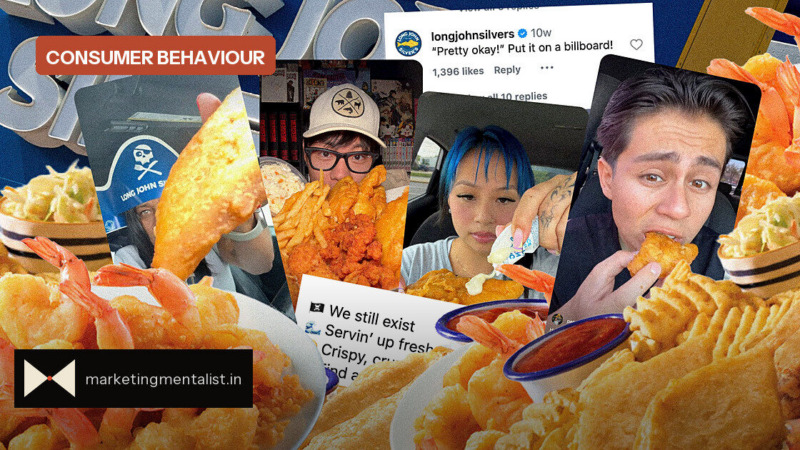
3M organic views give Long John Silver’s a real lift
An Instagram mukbang joke is giving Long John Silver's a real lift. Here's the consumer psychology behind the organic views—and the risk…

Gen Z, premiumisation lift Flipkart Fashion growth 1,500 bps
Flipkart Fashion's festive growth is running 1,500 bps higher YoY as Gen Z demand and premiumisation push fashion past the Rs 500…
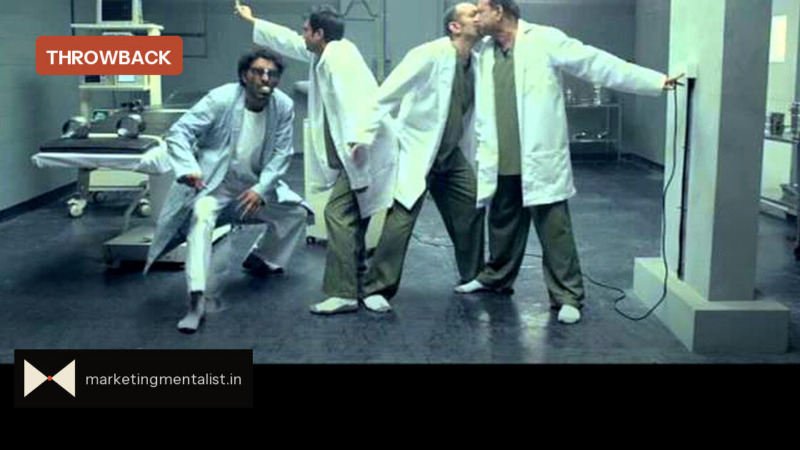
Havells Shock Lagaa? and the psychology of fear
How Havells' 'Shock Lagaa?' campaign used fear appeal, availability and naming to make RCCBs a category Indians ask for by name.

Sprite Seedhi Baat No Bakwaas: The Psychology of Blunt Marketing
How Sprite's Seedhi Baat No Bakwaas used plain-speak, schema violation and in-group identity to turn a soft drink into a challenger voice.

Lead India: The Times of India ad that sold leadership
The psychology behind The Times of India's 2007 Lead India campaign and how The Tree used social proof and identity to move…

HIT’s New Shefali Shah Film: Roach Control as War Room
Godrej HIT’s new Shefali Shah film reframes roach control as a war-room mission—using authority, framing, and a visible nest-kill chain.

The psychology behind Kerala’s God’s Own Country ad
The behavioural levers that let a two-word tagline turn Kerala's backwaters into a promise of restoration—and what marketers can still steal.

How Incredible India sold a feeling, not a place
The 2002 campaign reframed India as an emotional experience. Here are the behavioural levers it pulled—and what destination brands can still borrow.