Havells Shock Lagaa? and the psychology of fear
How Havells' 'Shock Lagaa?' campaign used fear appeal, availability and naming to make RCCBs a category Indians ask for by name.
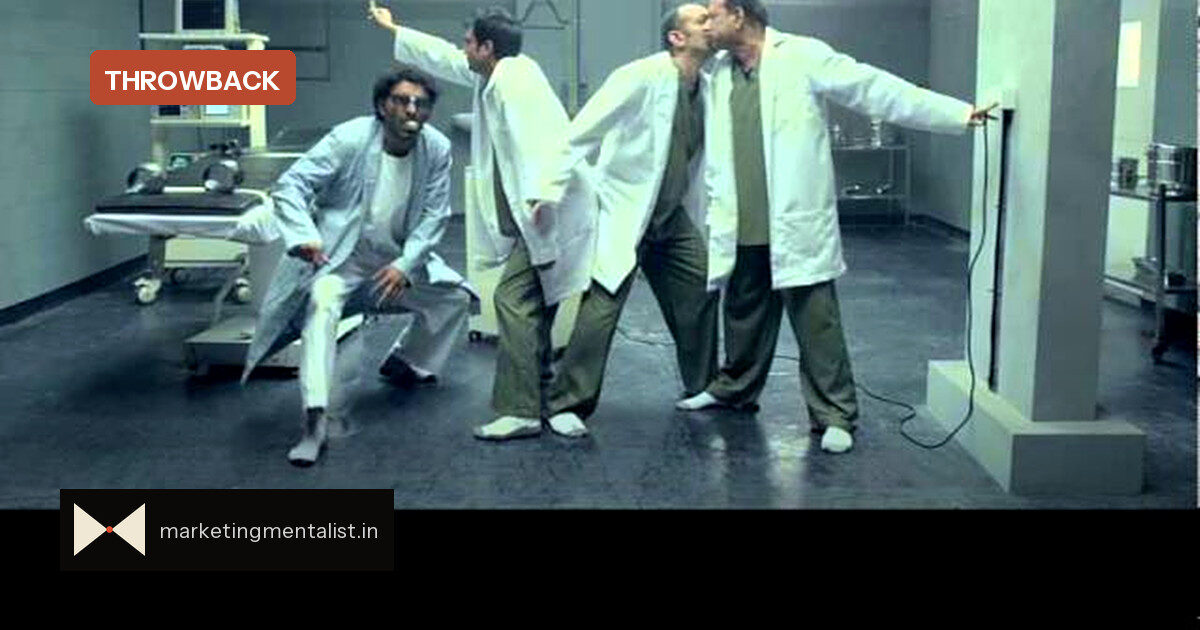
Some ads entertain. A few change what people ask for. Havells’ “Shock Lagaa?” belongs to the second kind—it took an invisible electrical safety device and made it a phrase Indian households remember years after the campaign ran.
The ad and when it ran
The film appeared in the early 2010s, during a Havells push for miniature circuit breakers and residual current circuit breakers—products most consumers never thought about until a fuse blew or a wire sparked. Instead of listing specifications, the ad stages a familiar domestic moment around electricity and lets one question land: “Shock Lagaa?” The delivery makes the question feel less like a query and more like an accusation you never want pointed at you.
At the time, electrical safety was mostly an electrician’s vocabulary. This campaign pulled it into the living room and the hardware-store conversation.
The levers it pulled
The film leaned on three behavioural levers:
- Fear appeal, with loss aversion underneath. The ad showed what could go wrong in an ordinary home, not a factory. Loss aversion made the possibility of harm feel heavier than the promise of safety.
- Availability heuristic. By making a rare but serious event vivid and easy to recall, the film inflated the perceived likelihood of a shock. The tagline became the retrieval cue: see a switch, remember “Shock Lagaa?”
- Mental availability through naming. RCCB was not a category consumers could ask for. The ad gave shoppers a branded shortcut—ask for Havells RCCBs—and turned safety into a social signal of a responsible household.
What it did for the brand and the culture around it
The campaign is credited with lifting sales and, more durably, with making RCCBs a category Indians ask for by name. Havells moved from being one switch brand among many to the default mental cue for protection. Retailers, electricians and homeowners started using the tagline as shorthand for “is your wiring actually safe?”
Culturally, it shifted the purchase conversation from price and look to protection. In a market that often sells on margin and availability, Havells made fear-plus-repair a legitimate premium positioning for an unglamorous product.
What still works today and what would not
The insight still works: name an invisible risk, make it feel close to home, and pair it with a clear fix. The fear-recovery structure remains one of the most reliable scripts in advertising, especially for categories where the cost of failure is severe and the product is hidden.
What would not work as well is the heavy “I told you so” tone. Today’s Indian buyer is more informed and often wants guidance, not a scare. A modern version would likely be shorter, platform-native, and led by an electrician or creator walking through the same risk—less melodrama, more demonstration. The core question, though, would probably survive.
Watch the original: Havells on YouTube