
Stayfree turns boys into period-care allies
Stayfree's Daughter's Day film asks sons to buy sanitary pads, using peer modelling and home norms to make period care ordinary.
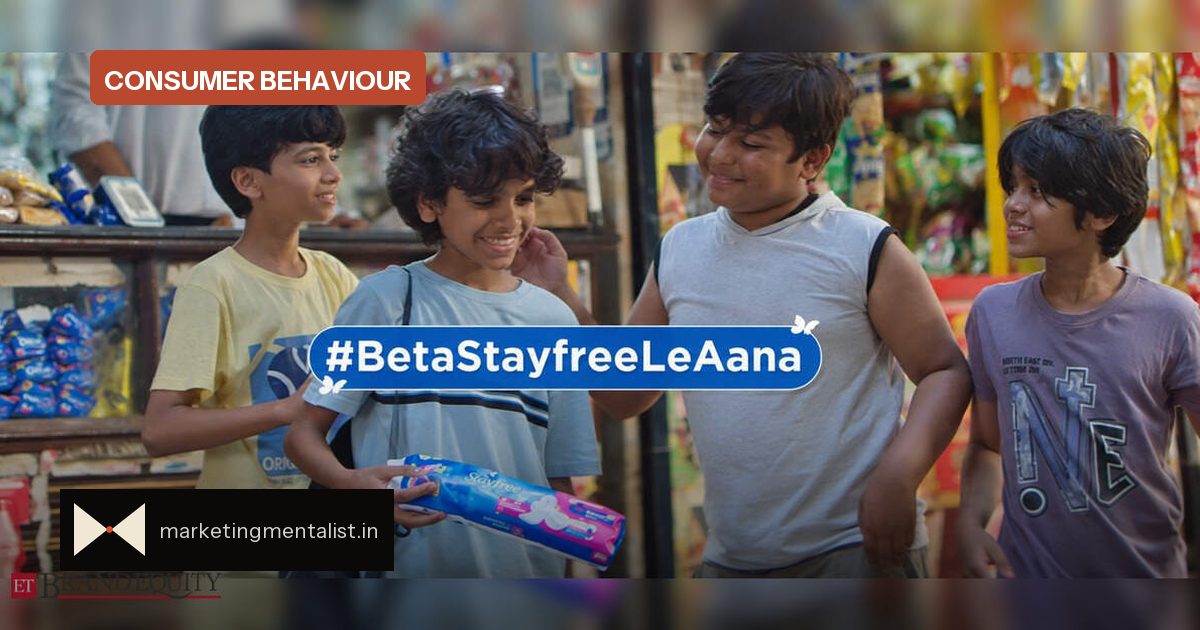
Stayfree’s Daughter’s Day film starts with a boy on a gully cricket pitch, not a girl in a bathroom. That casting is the campaign’s point.
The ad: a son runs an errand
Conceptualised by Team WPP, the #BetaStayfreeLeAana digital film follows Rohan, whose mother asks him to buy Stayfree while he is playing with friends. His friends react with discomfort and tease him for talking about periods openly. Rohan answers matter-of-factly, because periods have never been a source of shame in his home. By the final scene, the group asks a shopkeeper for a pack of Stayfree together.
The film’s message is direct: “When more sons get comfortable with periods, more daughters will be comfortable with periods too.” Sukesh Nayak of Team WPP says the son’s willingness to shrug off teasing inspires his friends to see period care as natural.
From conversation to a routine purchase
Stayfree’s “It’s Just a Period” platform has been running for more than six years. It first encouraged fathers to discuss periods with daughters, then widened to parents raising sons. The new campaign shifts from awareness to action: mothers and parents are asked to send sons to buy sanitary napkins as part of routine grocery shopping.
Supriya Srinivasa, marketing director at Stayfree, says the brand wants to create a world where periods are not embarrassing, and that requires helping boys understand that periods are “completely natural and not a taboo”.
Why the psychology works
The film is a small masterclass in social norm change. It does not scold the uncomfortable friends or use a doctor to correct them. It lets an in-group peer, Rohan, model calm behaviour. That matters because norms spread sideways, through people like us, not downwards from authorities.
- It turns a taboo item into a low-stakes grocery errand.
- It gives boys a role as helpers, not outsiders or saviours.
- It attaches the new behaviour to an existing routine: shopping.
- It makes the home the starting point of the norm, while peers reinforce it.
What marketers can borrow
Categories that feel taboo are often sustained by the people who never buy or discuss the product. Stayfree’s move is to enrol those non-buyers in a visible, low-risk action. The brand does not ask boys to lead a movement; it asks them to pick up a pack.
The Daughter’s Day film will roll out across YouTube, Meta platforms including Instagram and Facebook, and major OTT platforms. If the behaviour sticks, the campaign becomes a template for making any stigmatised purchase ordinary.
Source: ETBrandEquity.com