
Love-hate tech: what drone backlash teaches marketers
Amazon's drone tests are getting a mixed welcome, but that is a familiar adoption pattern. AirPods were mocked at $160 and the iPod doubted before both won.
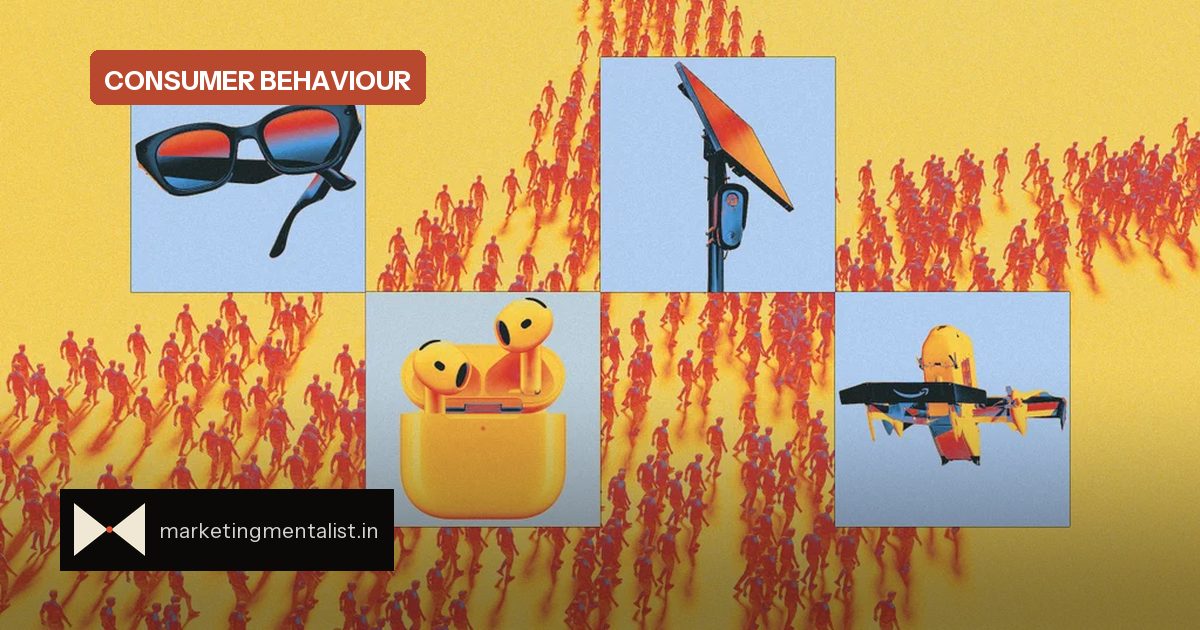
Fast Company points to a familiar pattern: Amazon is now testing home delivery by drone in a Dallas suburb and a handful of other locations, and the reception is mixed. Some customers are delighted by the convenience. Others say the drones are loud, annoying and creepy. “Having all these drones flying around is actually a big, big problem,” a homeowners’ association president in an affected neighbourhood told The New York Times.
This is bigger than one delivery test. Meta’s smartglasses, which critics have labelled “pervert glasses”, and Flock licence-plate readers have sparked heated opposition, sometimes ending in physical damage. Meanwhile, AI’s effect on data centres, education and human creativity has been contested for years.
The adoption arc keeps repeating
Every innovation has critics, sceptics and outright opponents. Fast Company argues the entire internet era has been one long debate over digital change. The marketing question is not whether people will object; it is how quickly the objection fades into familiarity.
Apple’s AirPods are the clearest recent example. Launched in 2016, they forced a switch from wired headphones that nobody had asked for, cost $160, and were widely seen as ridiculous. Yet Bluetooth earbuds are now routine. The original iPod was mocked by some as an overpriced indulgence from a company that had lost its way, then became the product that cleared the path for the iPhone.
The psychology marketers can use
When a product changes a habit, the first public reaction is usually emotional rather than rational. People judge the new thing against the old default, which is exactly what status quo bias predicts: change registers as a loss before it registers as a gain.
Psychologists call part of this the mere-exposure effect: repeated contact makes a strange object feel less threatening. A drone buzzing a Dallas cul-de-sac is intrusive on week one; by month six, it may be background noise. That is why early backlash is a poor predictor of long-term rejection.
That gives brands a playbook:
- Expect the status-quo backlash. Early ridicule is a measurement of how unfamiliar the product feels, not proof of its long-term value.
- Make the new behaviour visible. AirPods turned private listening into a public signal, and visibility slowly normalised the look.
- Price for early adopters, then widen. A premium early price can be called absurd and still fund the iteration that reaches everyone else.
Amazon’s drones will be loud, odd and invasive to some residents today. The better question for marketers is whether the convenience eventually becomes ordinary enough to shift the emotional baseline. Most of the gadgets people now use daily were once considered overpriced, pointless or creepy. Backlash is not the end of adoption; it is often the first reliable sign that a habit is being pushed somewhere new.
Source: Fast Company