Scapia Travel Unreasonably: the psychology behind impulse travel
Scapia's new campaign uses an orange-gloved hand and embarrassing moments to sell spontaneous travel. Here are the behavioural levers behind it.
The new film in one paragraph
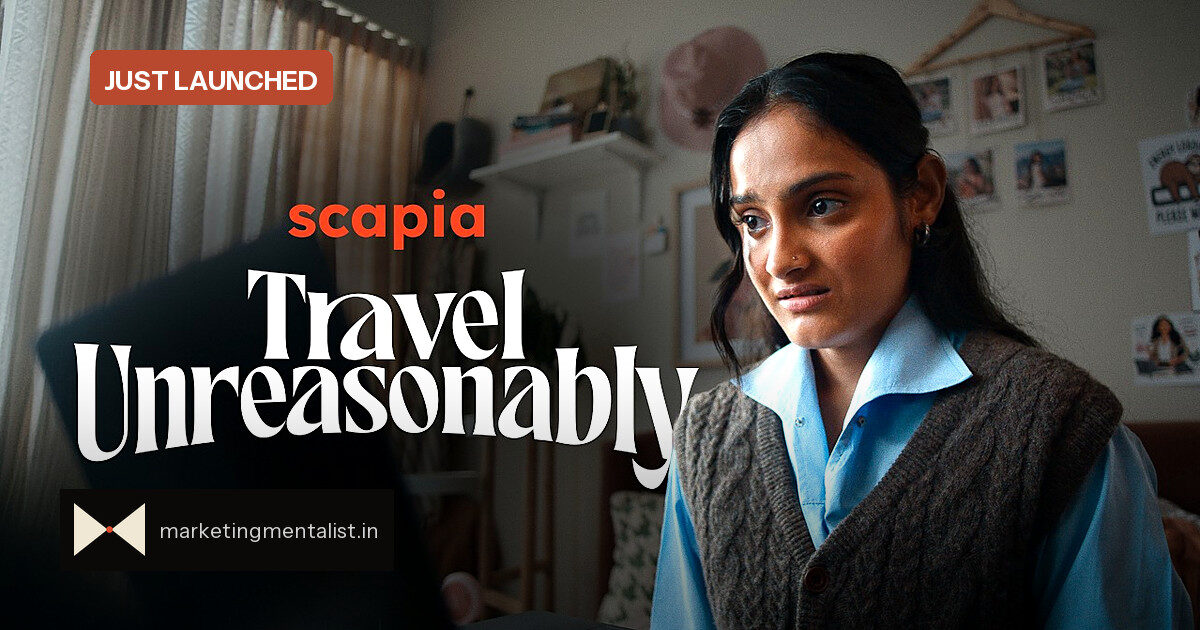
Scapia’s new digital-first campaign, Travel Unreasonably, launched in 2026 for Gen Z travellers. Created with Talented and produced by First December Films, it spans seven films built around the urge to escape embarrassing moments. The film follows a young protagonist caught in an awkward social stumble until an orange-gloved hand appears and guides them toward a quick trip. Shorter cutdowns in the same campaign highlight zero forex markup, rewards, and airport lounge access.
The levers it pulls
The first lever is action bias. Instead of evaluating a destination, the film models a response: when the moment turns sour, leave. The orange-gloved hand becomes the prompt for action, and the campaign never asks the viewer to wait for a better time. That matters because action bias is strongest when emotion runs high, exactly the cringe-filled moment the film opens with.
The second is friction reduction. Zero forex markup, rewards, and lounge access are not presented as card specs. They are shown as reasons not to overthink. The message is that the getaway is easier than sitting with embarrassment, so the impulsive choice becomes the simpler choice.
The third is the affect heuristic. The film ties a small negative feeling to a fast positive escape, so viewers are more likely to remember how it made them feel than what it said. The recurring orange glove acts as a retrieval cue across seven films, strengthening the link between an awkward moment and the idea that Scapia can fix it.
The bet the brand is making with it
Scapia is betting that a travel card should be sold as an emotional release, not a financial product. Karthik Rajeshwaran of Scapia said travel shouldn’t have to wait for “the perfect time or reason.” Prashant Gopalakrishnan of Talented added that travel brands usually sell destinations, but this work celebrates the impulse to leave. The campaign’s feature-led cutdowns do the quiet work of making the card useful, while the films carry the feeling.
The risk is that emotion could overpower product recall. Scapia’s answer is to attach specific benefits such as zero forex, rewards and lounge access to the same impulse moment, turning a feeling into a reason to choose the card.
What to borrow for your next campaign
Three moves are worth taking.
- Open with the trigger, not the category. Find the moment just before your product becomes necessary, such as embarrassment, boredom or restlessness, and dramatise that instead of the purchase.
- Reframe features as escape enablers. Zero forex and lounge access feel like permission to go, not fine print.
- Build a recurring visual mnemonic early. A hand, a mascot, or a sound can do the brand-building work across a series without repeating the same story.
The campaign’s real lesson isn’t about travel. It’s about reducing the perceived effort of a decision and giving your audience an emotional excuse to act now.
Watch the original: Scapia on YouTube
Source: ETBrandEquity.com