Navratri Ads Tap Festive Rituals to Make Brands Familiar
Why brands like Baskin Robbins, Dulux and Havmor are borrowing dandiya, colour and protection rituals to make themselves instantly familiar.
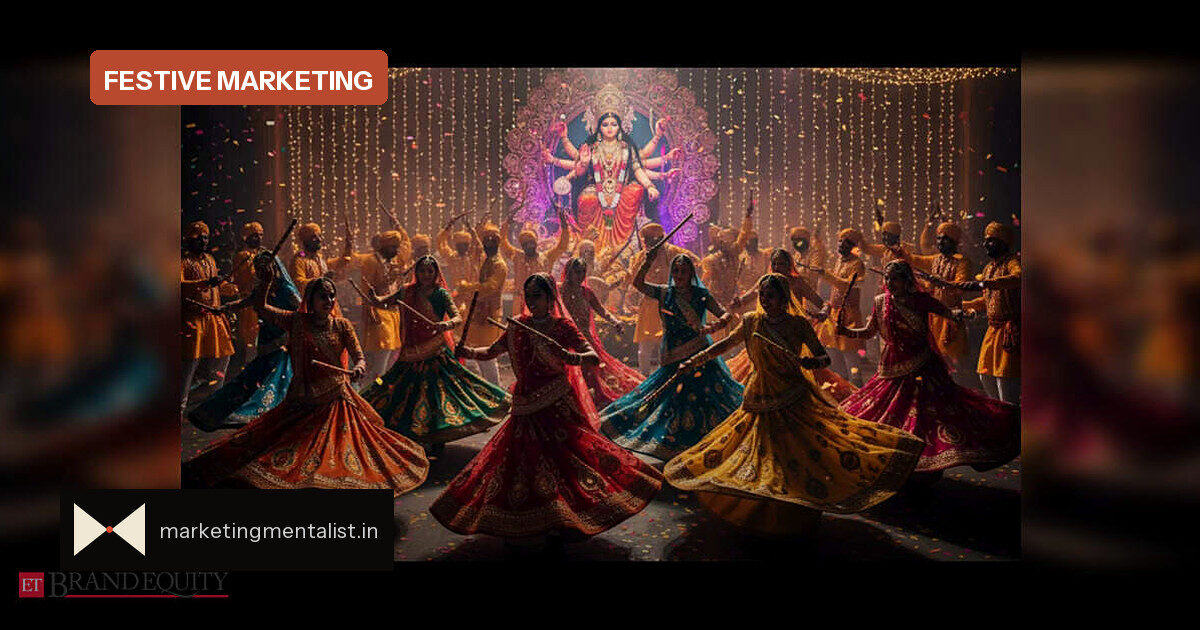
As Navratri begins another festive season, brands are borrowing the festival’s symbols rather than simply buying media around it. From ice-cream lehengas to paint-swatch ghagras, campaigns this year treat dandiya, light and the nine-night rhythm as a familiar mental shortcut.
ETBrandEquity reports that Baskin Robbins visualised two dancers from a top-down view, shaping their swirling lehengas out of scoops of ice cream. The creative paired the visual with the line, “Dance till you drop. Scoop when you stop!” Dulux merged half a dancer’s ghagra into a fan of paint swatches and played on the idea of nine nights in full colour. Havmor linked rounds of garba to rounds of ice cream, suggesting neither is counted during celebrations.
Why familiar rituals lower the effort
These ads are not simply decorative. They use cultural fluency: the audience already knows the colours, props, phrases and feeling of Navratri. The brand does not have to explain a new idea; it attaches itself to a meaning that is already present.
Behavioural scientists call this processing fluency — the ease with which people make sense of something. A familiar ritual is a fluency engine. It makes a message feel true, light and relevant before the consumer evaluates the product claim.
- Borrow one ritual, not the whole festival. Polycab only borrowed Maa Durga’s shadow and trishul, mapping protection to electrical safety.
- Anchor the product to a single movement or moment. Baskin Robbins and Havmor tied the spin and the round to ice cream.
- Write lines that work on two levels. Dulux’s nine nights in full colour says both festival and paint.
The strongest links are functional
Polycab cast the shadow of Maa Durga with a trishul against a wall and paired it with the line, “Strength Lies in Safe Connections.” That connects the festival’s theme of protection with electrical safety. Philips Lighting replaced traditional dandiya sticks with glowing light strips against an illuminated mandala. Happydent turned the hem of a twirling skirt into a smile, and Asian Paints placed garba dancers across an illuminated shade card.
The campaigns that land best create a reason for the symbol to be there. When the symbol connects to the product’s job, the brand earns a place in the celebration. When it does not, the festive image becomes noise.
What brand teams can do next
Before the next festive window, ask which ritual your category can legitimately own. A paint brand can own colour and nine nights; an ice-cream brand can own rounds and scoops; a safety brand can own protection. Then write one dual-meaning line and show the product inside the ritual, not beside it.
The same logic applies to Diwali, Eid, regional new years and sale events: use the familiar cue, make the product the ritual’s enabler, and avoid dressing a generic message in festival colours.
Source: ETBrandEquity.com