The B2B Paradox: Bigger Stakes, Louder Emotions
B2B buyers weigh specs and spreadsheets, but the bigger the decision, the more emotion runs the show. Here is how to sell confidence and proof together.
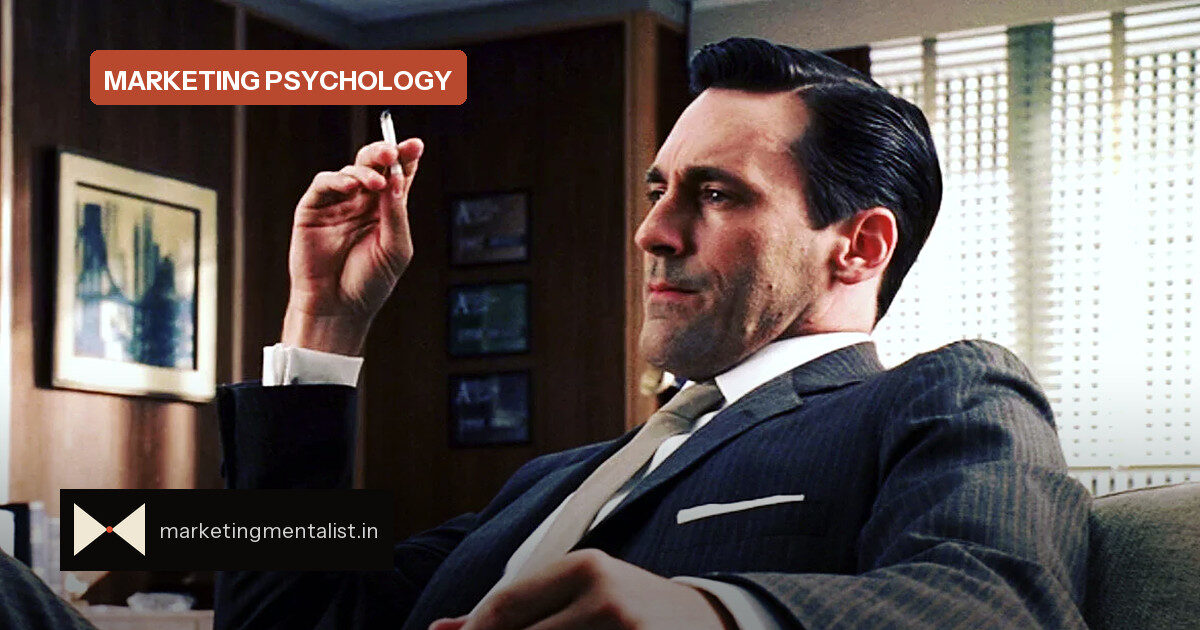
Don Draper once said advertising is “based on one thing, happiness.” In Mad Men, that line was aimed at consumer desire. But the same idea travels surprisingly well into the world of procurement, spec sheets and vendor scorecards.
Trade buyers do not become machines at work
The popular left-brain/right-brain story is a useful metaphor, not a literal wiring diagram. Marketers who treat trade customers as purely logical creatures miss half the deal. Complex purchases are evaluated with specs, pricing and service levels, but the same buyer still responds to confidence, reassurance and trust.
A flooring retailer may say he wants consistent stock, quick responses and products that do what they promise. Under that checklist are quieter payoffs: the supplier will not embarrass him in front of his own customer, a real person will pick up the phone when something breaks, and the decision will not become a late-night worry.
The higher the stakes, the louder the feelings
A $12 impulse buy that flops is forgettable. A supplier or platform that fails can damage a reputation, a promotion or a job. That is the B2B paradox: the more consequential the rational decision, the more consequential the emotions around it become.
That is why GE is not simply selling turbines, Cisco is not simply selling routers, IBM is not simply selling compute infrastructure, and Slack is not simply selling messaging. Beneath the product sheets, they are promising possibility, progress, confidence, connection and a better way to work. For trade buyers, happiness usually looks like confidence that they made the right call.
What this means for your next campaign
Effective marketing should give the emotional mind reasons to care and the rational mind reasons to believe. In practice, that means pairing evidence with emotional safety:
- Lead with proof: case studies, uptime numbers, SLAs, warranties and clear pricing that lower perceived risk.
- Speak to the fear: make it easy to say yes and safe to defend the decision internally.
- Set the destination yourself: AI can crunch data faster, but a human still has to decide which feeling the brand should own.
For brand managers, this reframes the creative brief. Do not ask “Is this emotional or rational?” Ask whether the message pairs an emotional hook with enough evidence for the buyer to justify the choice. A logistics campaign may sell reliability; the emotional payload is the operations head’s calm on Monday morning. A SaaS pitch may sell automation; the payoff is a team leader looking competent in front of the CFO.
AI may assemble insights faster than ever, but it does not relieve marketers of asking what gets attention, what gives buyers confidence and what makes them feel good about choosing your brand. Those are not left-brain or right-brain questions. They are marketing questions.
Source: Branding Strategy Insider