What $11.6B of Campaign Ads Really Bought
Record $11.6B political ad spend produced viral stunts, not persuasion. Here's what brand marketers can learn about attention and trust.
When the polls close, one number will stay with marketers long after the winners are declared: $11.6 billion. That is the record amount Republicans and Democrats spent on campaign ads this cycle. Elon Musk alone poured nearly half a billion dollars into Republican candidates. And the creative output? A handful of spots so shameless they earned attention without necessarily earning votes.
The real race was for salience, not persuasion
Campaign ads are a pressure test for every branding belief we hold. The stakes are enormous, the audience is exhausted, and the media environment is saturated. In that setting, campaigns did not chase trust first. They chased the scroll-stopping moment.
The Hollywood Reporter rounded up six of the cycle’s most unhinged ads. Strip away the politics and they are a clear map of attention mechanics:
- Intimate shock: North Carolina’s Jennifer Balkcom filmed a kitchen-table story of her mother shooting a home intruder.
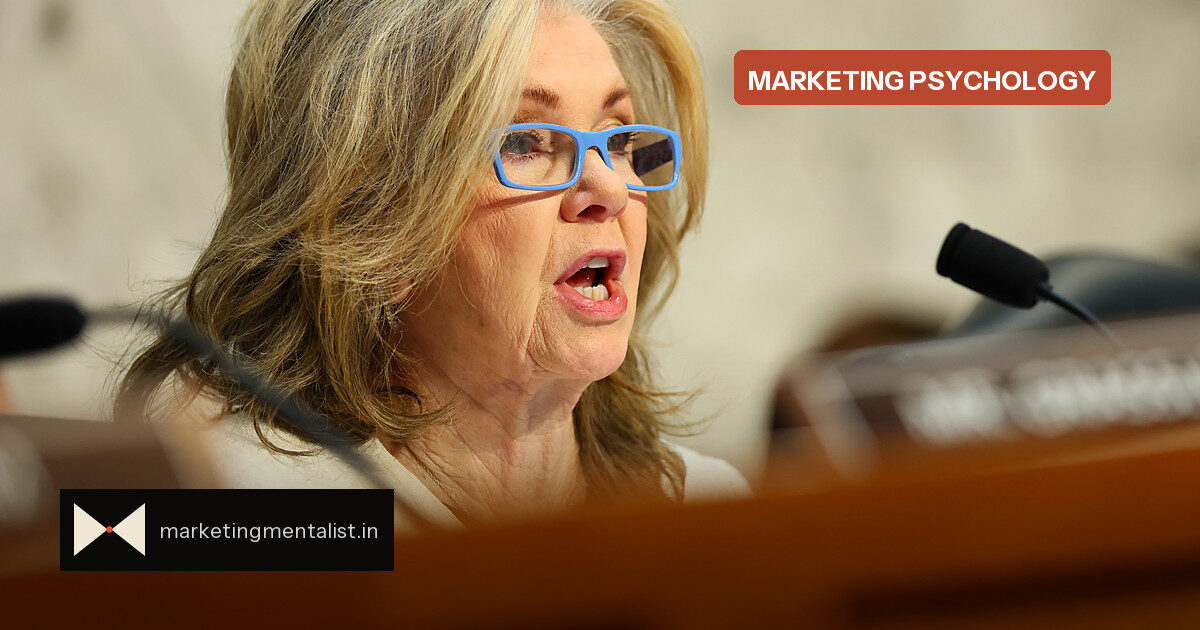
- Villain imagery: Tennessee’s Marsha Blackburn smashed fortune cookies to dramatise a China land-buying claim the data barely supports.
- Borrowed cool: Barack Obama played H-O-R-S-E with Iowa Senate candidate Josh Turek, turning association into endorsement.
- Scandal replay: A James Talarico ad tracked down the attorney whose Montblanc pen Ken Paxton was once caught pocketing.
One line from that ad does the persuasion work: ‘If Ken Paxton can steal a pen, what will he steal from you?’
Why this matters for brand teams
Most marketers would balk at making a spot as cringe as these. But the underlying behaviour is familiar. Attention and trust are separate jobs. An ad can be remembered without being believed, clicked without being liked, shared without shifting choice.
The record spend matters because it shows money buys distribution, not persuasion. The source notes the $11.6 billion is literally $3 billion more than Americans spent at the box office last year. Billions of impressions later, the culture got no Madison Avenue classic. It got memeable moments.
Steal the framework, not the cringe
The useful distinction is between salience and credibility. Salience gets you into the consideration set. Credibility closes the decision. When budgets are small, brand teams should split those jobs deliberately.
Make one asset to stop the scroll. Then use the moment after the click — a landing page, a retargeting ad, a content hub — to deliver evidence. If you only make people laugh, you become entertainment, not a brand. If you only make sensible proof ads, you never get the attention to be heard.
Source: The Hollywood Reporter