India’s QSRs Use Rs 99 Meals to Recruit New Customers
KFC, McDonald's, Burger King and Domino's are using Rs 99 entry pricing to cut hesitation and recruit first-timers. But lower ticket sizes make the economics risky.
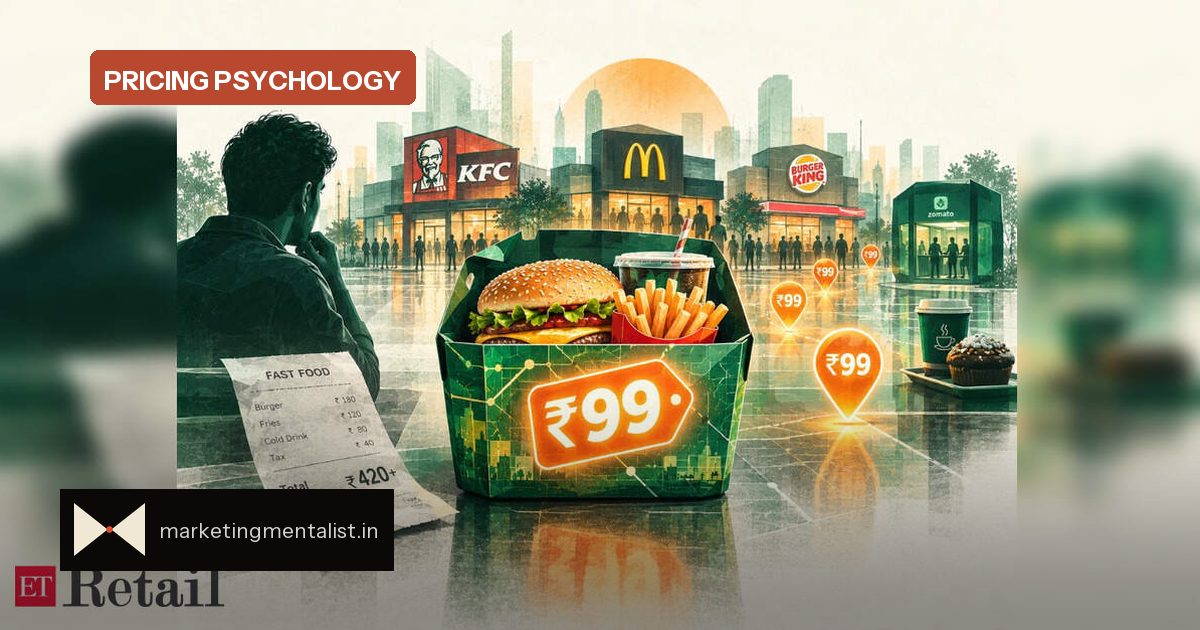
For a hesitant customer staring at a Rs 300-plus fast-food bill, a single number can flip ‘maybe’ into ‘let’s order’: Rs 99. India’s quick-service restaurants are betting on that number to bring back traffic after a stretch of subdued demand.
This is not just discounting. It is an exercise in lowering the psychological barrier to a first purchase.
What the chains are doing
KFC is using the Rs 99 Chicken Krisper Meal to recruit first-time visitors, particularly people who recognise the brand but have never walked in. McDonald’s is leaning on its everyday value platform to build repeat visits. Burger King is stacking Rs 79-to-Rs 99 offers as a ladder toward its core burgers and premium items. Domino’s has responded to aggregators that dropped minimum order values to Rs 99, even though it initially resisted because the move lowers average order value.
- KFC: Rs 99 Chicken Krisper Meal positioned as customer acquisition for brand-aware non-users.
- McDonald’s: Everyday value meals used to drive dine-in footfalls and repeat visits.
- Burger King: Rs 79-to-Rs 99 offers ladder up to core and premium products.
- Domino’s: Matching aggregators’ Rs 99 minimum order value, accepting lower average order value.
Zomato is testing fresh-food vending pods in Gurugram offices, and chains are pushing coffee and beverages to create reasons to visit outside lunch and dinner.
The psychology behind the price
The common thread is reducing customers’ hesitation to order. A low entry price works like a tripwire: it gets a non-user to take the first step. Vijay Jain, Executive Director & CFO at Sapphire Foods, calls it ‘a combination of behavior changing advertising along with the core meal at INR 99.’
McDonald’s operator Westlife Foodworld says its everyday value meal is becoming ‘trusted, predictable and habit forming.’ That is the classic foot-in-the-door play: once someone enters, the business has a chance to sell coffee, dessert, a larger meal, or an app order.
But a tripwire only works if the second purchase happens. Value pricing can bring traffic back, yet it also pulls down the average bill. The economics only improve if extra transactions more than compensate for smaller tickets.
The numbers behind the bet
Sapphire Foods’ KFC India business reported 5% same-store sales growth; Westlife Foodworld’s McDonald’s business logged 4.3%; Burger King India reported 12.6%. Domino’s operator Jubilant FoodWorks posted 2.5% like-for-like growth, with delivery making up 76.1% of its India business. Online food delivery’s share of India’s food-services market has climbed from 4% in FY21 to 11% in FY26 and could reach 18% by FY31, per Redseer.
That shift changes the battlefield. Price gets the click; convenience closes the order; product and experience must drive the return.
What marketers should do
The QSR playbook here is not ‘make food cheaper.’ It is ‘design the next step.’ If you use a value item, pair it with a clear upsell path, a habitual consumption occasion, and a reason to come back without the discount. Analysts quoted in the source argue that sustainable growth depends on targeted value offers rather than broad-based discounting.
India’s QSRs are not really selling a Rs 99 meal. They are selling the first visit, and underwriting it with a plan for the second.
Source: ETRetail.com