McLaren Unifies Racing and Automotive Under One Brand
McLaren's refreshed identity keeps Speedmark and papaya while adding a founder-inspired wordmark to expand ownership, personalisation and fandom.
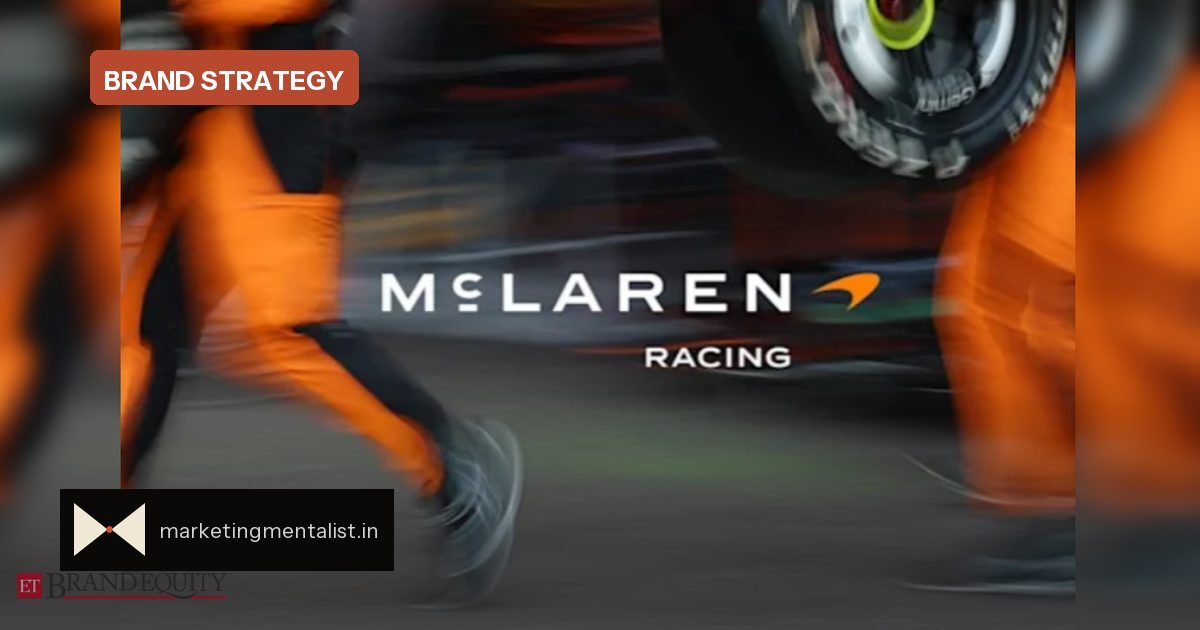
McLaren has launched a refreshed brand identity designed to pull its Racing and Automotive businesses under one visual story. It is not a radical cut with the past. The marque is keeping its Speedmark, papaya colour and Speedy Kiwi, while adding a new wordmark that reaches back to its founder’s earliest days.
A service station sign becomes a brand asset
The new wordmark is inspired by the sign above the family service station in Remuera, Auckland, owned by Bruce McLaren’s parents, Les and Ruth McLaren. McLaren says the location was significant in Bruce McLaren’s early journey, including the construction of the car that took him to his first racing victory.
Psychologically, this is an origin story in a single glyph. Instead of inventing a future-facing typeface, McLaren has given followers a tangible, verifiable piece of the founder’s life to attach to. It transfers the authenticity of the past onto present-day products and experiences.
Less about two brands, more about one community
McLaren’s chief marketing officer for Racing, Lou McEwen, said the identity is intended to connect the company’s history across Racing and Automotive with its future ambitions. He added that it was poignant how much of Bruce’s original vision and spirit still runs through the business today.
This is a brand architecture move. Rather than letting the road-car and racing divisions speak with separate visual codes, McLaren is treating them as chapters of one masterbrand. The stated goal is a broader expression of ownership and fandom, extending beyond vehicles and race wins into personalisation, experiences and community engagement.
For a marketer, a unified identity also reduces cognitive load. When the livery a consumer sees on a race weekend and the badge in a showroom feel like one system, the brand builds a single set of associations instead of two competing ones.
The 2026 context
The refresh lands after a series of McLaren milestones:
- In Racing, McLaren has marked its 1,000th Formula 1 Grand Prix and announced a Hypercar challenger for the World Endurance Championship as it targets the Triple Crown.
- In Automotive, the company confirmed a £500 million investment programme to expand its UK manufacturing and engineering footprint.
- The identity ties those separate milestones to one origin story, so racing fans and road-car buyers share the same visual memory.
What brand custodians can borrow
McLaren’s update follows a useful sequence: protect the assets people already recognise, then add one new element that deepens meaning. The Speedmark and papaya keep recognition high; the founder-inspired wordmark adds narrative depth. For a marketer, that is a reminder that a refresh should raise coherence, not just novelty.
The clearest lesson is that a distinctive asset does not have to be invented. Some of the strongest brand signals are discovered in the company’s own history, then made deliberate.
Source: ETBrandEquity.com