The psychology behind Cadbury Dairy Milk’s Pappu Pass Ho Gaya
How Cadbury Dairy Milk's Pappu Pass Ho Gaya used occasion-based mental availability, social proof and reward substitution to become India's small-win ritual.

The ad and when it ran
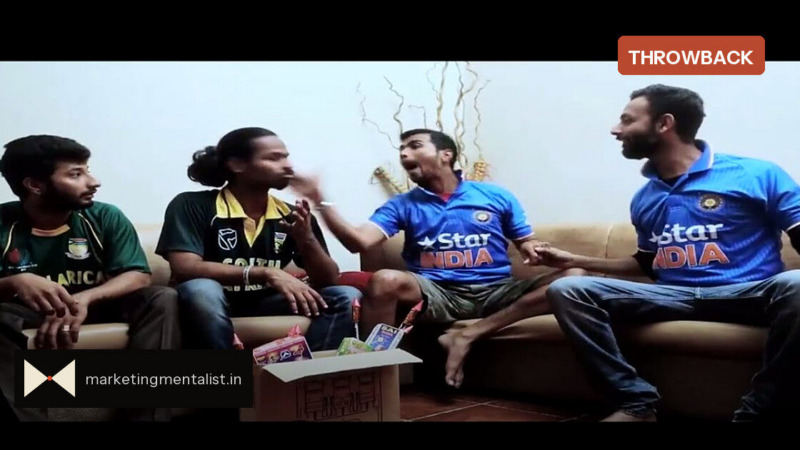
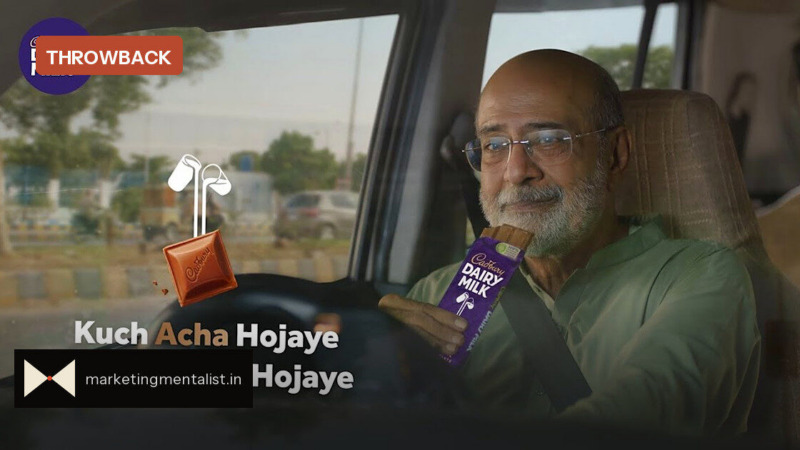
In the mid-2000s, Cadbury Dairy Milk ran a simple 40-second Indian film built around the phrase ‘Pappu Pass Ho Gaya.’ A boy clears his exams, the news spreads, and a small street celebration breaks out. The ad’s rhythm is not about chocolate texture or taste; it is about what the chocolate signals in that moment: success, relief, pride, and the right to celebrate.
Cadbury Dairy Milk was already India’s familiar chocolate but was still fighting for everyday relevance. This campaign turned a routine academic checkpoint into a consumption occasion. It told the audience when to buy, not just why.
The levers it pulled
The film used three behavioural levers.
- Occasion-based mental availability. This is the discipline of connecting a brand to the situation in which it is bought, not only to an audience. Cadbury tied itself to a specific, repeated life moment: exam results. When children passed, families reached for Cadbury because the film modelled chocolate as the natural gesture of the occasion.
- Emotional contagion and social proof. The celebration is public. One person’s news becomes the neighbourhood’s news, and the chocolate is handed out in front of others. Cadbury becomes the visible token of shared joy, endorsed by family and neighbours. It stops being a private snack and becomes social currency.
- Reward substitution. The ad pairs a long, effortful goal—passing exams—with an immediate, tangible reward. Cadbury borrows the emotional payoff of the achievement and makes itself the shortcut to that feeling.
What it did for the brand and the culture around it
The campaign is remembered for making Cadbury Dairy Milk India’s default way to mark small wins. It shifted the brand’s role from ‘something sweet after dinner’ to ‘the thing you share when something good happens.’ That is more valuable because it attaches Cadbury to many more buying moments: passing an exam, getting a job, clearing a test, scoring a goal.
Culturally, ‘Pappu Pass Ho Gaya’ became shorthand for any small victory. The phrase outlasted the media buy and moved into everyday conversation. It gave the brand a ritual slot: before the result, you worry; after the result, someone brings out Cadbury.
What still works today and what would not
The big idea still works: find a repeating life moment with emotional charge and place the brand there as the visible marker of that moment. Occasion-based positioning is timeless.
What would not work is a single-film, broadcast-only execution. Today the same insight would need to travel across WhatsApp forwards, reels, and community content. The celebration is fragmented, so the brand would have to appear in many short forms, not one hero spot.
The phrase still holds, but the distribution of joy has changed. That does not weaken the original insight; it just means the next ‘Pappu’ moment would be built for sharing, not only for viewing.
Watch the original: Cadbury Dairy Milk on YouTube