
Quick Commerce Splits FMCG Demand Between New and Old Retail
ET FoodXP 2026 leaders say quick commerce is creating new categories and impulse occasions while shifting some kirana purchases online.
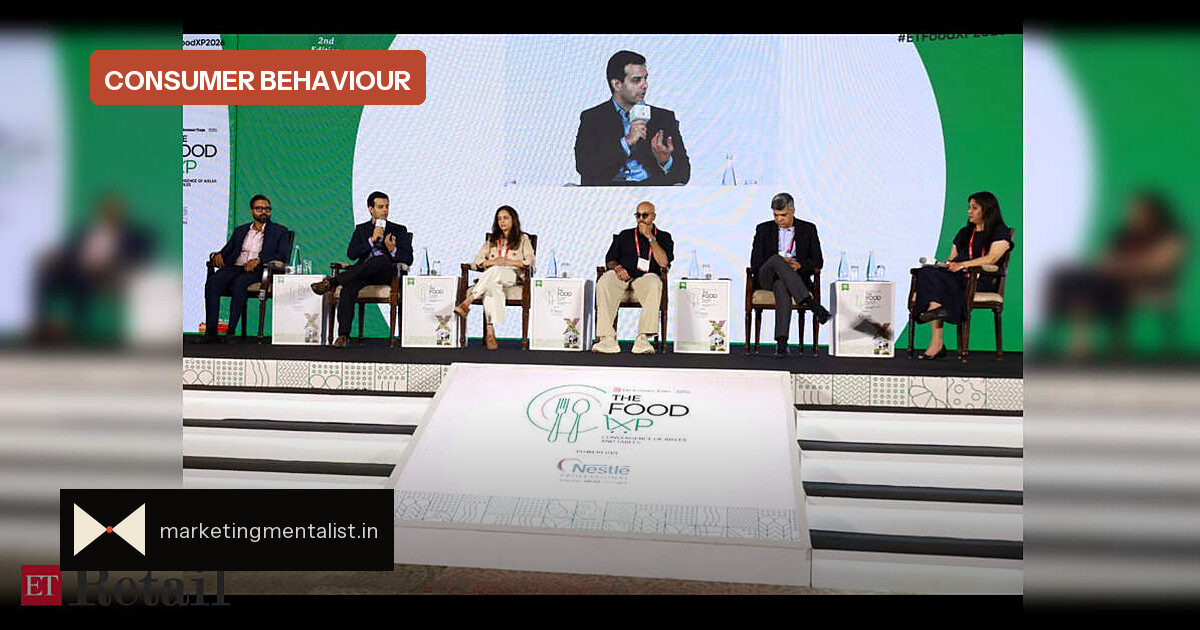
Quick commerce is splitting FMCG demand. At the second edition of ET FoodXP 2026, industry leaders said the same ten-minute order can be a genuinely new purchase or a purchase quietly moved out of a kirana.
During The Checkout Battle panel, leaders from Bagrry’s, Pansari Group, New Shop, Mr. Makhana and The Nut Lounge argued that platforms such as Blinkit and Instamart are both creating demand and redistributing it — with the balance shifting by category, geography and occasion.
Created demand versus shifted demand
Aditya Bagri of Bagrry’s said quick commerce cannot be labelled purely incremental or purely redistributive. Some urban purchases are clearly migrating from neighbourhood stores and supermarkets. But the same apps are building demand for functional foods, high-protein products and no-added-sugar options that had limited physical retail visibility.
That split is the first strategic filter for marketers:
- Shifted demand — a product people already planned to buy, delivered faster.
- Created demand — a product discovered only because the app surfaced it at the right moment.
If you cannot tell which one your SKU is winning, you will misread your growth.
Convenience is friction removal, not delivery speed
Aastha Almast of New Shop widened the definition. In dense metros, traffic and time pressure make physical shopping painful, so rapid delivery removes genuine friction. But in smaller cities and residential catchments, the neighbourhood store may already be the low-friction option.
Quick commerce does not carry the same value proposition everywhere. Brands should map each format to the purchase occasion it solves, not push every SKU into every channel.
Discovery comes with a bill
Rishab Jain of Mr. Makhana made the discovery case: for an emerging brand, quick commerce puts a product in front of digitally active, younger consumers without the slow fight for conventional shelf space. But visibility is not free — search ads, platform promotions and inventory all carry cost.
The goal is to convert trial into repeat purchase quickly enough to cover those costs. Faster launches do not remove the need for workable unit economics.
Premiumisation is the quiet win
Vishal Kapur of The Nut Lounge pointed to the occasions that are genuinely new. Almonds and cashews are often planned household buys. Premium snacking, office-hour impulse and late-night treats are different — and ten-minute delivery turns them into one-tap purchases.
That is premiumisation at the moment of desire. The opportunity is to design for the craving, not the monthly chore.
Channel-fit beats channel-everywhere
Shammi Aggarwal of Pansari Group reminded the room that staples such as edible oil, rice and spices remain largely planned purchases. Conventional retail still matters there. Regional brands can also use local manufacturing and distribution to keep service costs low — a real edge in specific markets.
The takeaway is a channel-occasion fit: assign each product to the channel that removes the most friction for its purchase occasion. Use quick commerce for discovery, impulse and premium trials; keep general trade for planned, high-frequency staples; use modern trade for range and touch. Quick commerce is not replacing retail — it is forcing a sharper question about which demand is new, which is moved and which channel earns the margin.
Source: ETRetail.com


