
India’s Smartphone Festive Sale Loses Its Discount Weapon
Rising memory costs are forcing brands to replace deep festive discounts with EMI and exchange offers. Here's the pricing psychology behind the shift.
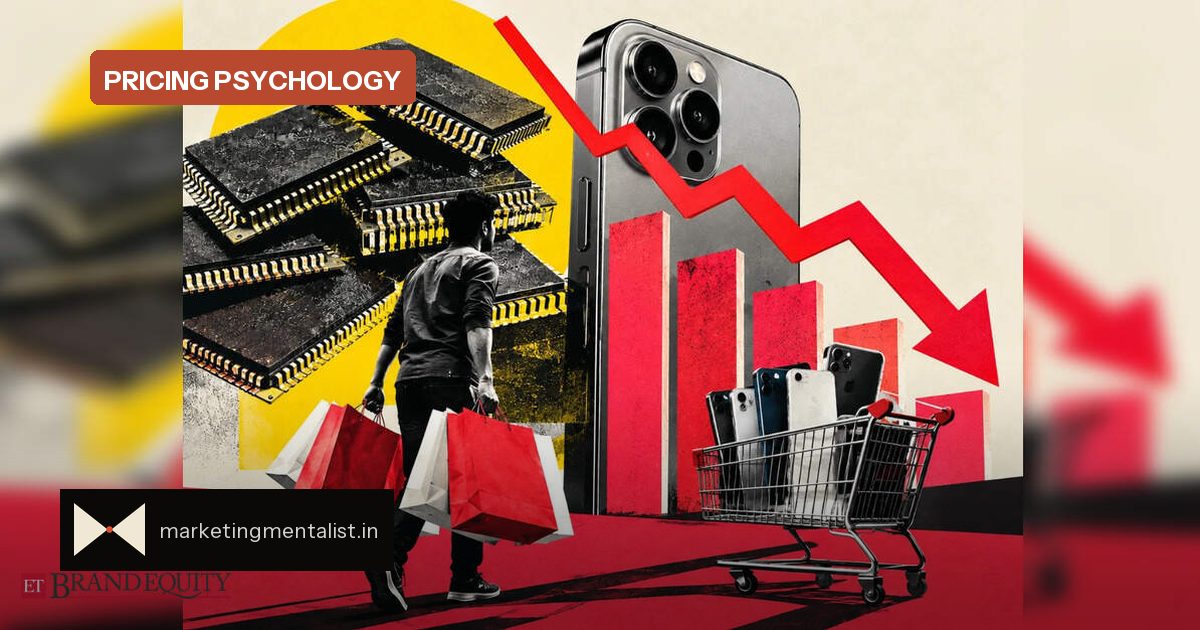
For years, Indian shoppers learned a simple festive-season rule: wait for the holiday period, get the year’s best smartphone price. This year that rule is breaking. Rising memory costs are forcing brands to rewrite the playbook, and the old weapon—deep discounting—may have lost its edge.
The cost shock behind the shelf price
The trigger is not phone demand; it is AI infrastructure. SK Hynix, Samsung Electronics and Micron have shifted memory production toward specialised chips for Nvidia’s AI accelerators. That has squeezed conventional memory used in phones and PCs. SK Group chairman Chey Tae-won says wafer supply is lagging demand by more than 20 per cent.
IDC’s Nabila Popal puts the margin pain bluntly: memory costs are up nearly 300 per cent from a year ago, and at the low end they now account for over 65 per cent of the bill of materials.
The price hikes are already visible
- Realme: up ₹1,000–4,000 on several models since August 18
- Oppo: up to ₹5,000 on select Reno and A-series phones
- Vivo: ₹500–4,000 on multiple models in some regions
- Samsung: a Galaxy S25 variant is now ₹12,000 more expensive
- OnePlus: ₹2,000–4,000 on select smartphones
- Apple: iPhone 17e up ₹15,000, iPhone Air up ₹30,000; iPhone 18 Pro starts at ₹1,64,900
From discount depth to monthly cost
Counterpoint’s Prachir Singh expects India’s festive smartphone volumes to fall 10 per cent from a year earlier. Brands have limited room for steep discounts, so they are likely to focus on EMI, cashback, exchange offers and targeted promotions. Counterpoint’s financing tracker projects such options will account for 42 per cent of total smartphone sales in 2026, up from 35 per cent last year.
Amazon India’s Zeba Khan says the e-commerce giant is leaning on no-cost EMI, exchange offers and bank partnerships. Deloitte’s Rohan Lobo notes offline sales rose to 55–60 per cent in the June quarter, partly because financing supports better underwriting. Apple-authorised reseller P3S Ventures is making upgrades the message: get a good exchange value, then spread the remaining cost into installments.
What marketers can learn
This is a textbook shift in reference pricing. Shoppers compare the current price with the internal reference price they built from past festive discounts. When the rupee discount cannot move, smart brands reframe the comparison from “how much off” to “how little per month.” It is the same outlay, but the mental accounting feels different.
The bigger risk may come after the festive season. If promotions taper while memory costs stay elevated, inventory correction could create a sharper post-festive decline. Brands that fail to shift the frame before then may end up competing on a discount they can no longer afford.
Source: ETBrandEquity.com