HIT’s New Shefali Shah Film: Roach Control as War Room
Godrej HIT’s new Shefali Shah film reframes roach control as a war-room mission—using authority, framing, and a visible nest-kill chain.

The new film
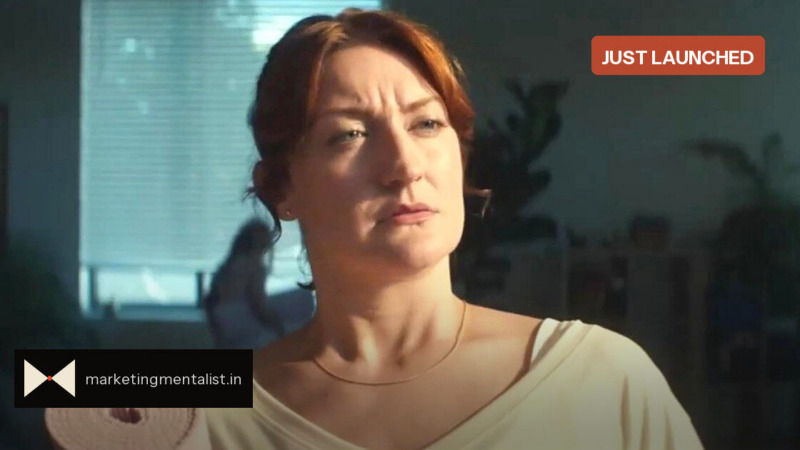
Godrej HIT launched a 20-second HIT Anti Roach Gel film in Mumbai in September 2026, starring Shefali Shah and conceived in-house by Lightbox, GCPL’s creative studio. It is built as a war-room briefing: a sniper reports a large cockroach infestation, Shah cuts through the panic, and the film shifts from direct combat to a single application that works through the nest. The spot closes with the line “Cockroachon Ko Jad Se Maare,” and the home becomes roach-free. It is aimed at Indian households where kitchen cockroaches are a persistent, hidden problem.
The levers it pulls
HIT does not ask Shah to be a pest expert. It gives her command, and that is enough to make the product claim feel like intelligence.
- Authority bias. Shah’s steady screen presence makes the war room credible before the product appears. When she announces that the roaches do not need to be fought one by one, the claim inherits the confidence of a commander rather than a sales pitch.
- Framing effect. Buying a cockroach gel is usually a low-involvement chore. The war-room setting reframes the problem from “another kitchen mess” to “neutralising a hidden enemy,” which raises the perceived stakes around a product most people would otherwise buy on autopilot.
- Operational transparency. The film dramatises the nest-kill mechanism as a chain reaction: apply once, roaches carry it back, the colony collapses. That turns an invisible technical benefit into a visible cause-and-effect story, making the set-and-forget promise easier to trust and remember.
The bet the brand is making
The bet is that Indian consumers are moving from active sprays to set-and-forget gels, especially in kitchens. Neeraj Senguttuvan, head of marketing – home care at GCPL, says the shift is clear: gel formats are preferred because they solve the problem at its root, not just the roaches you see. The creative risk is that a product working quietly can feel anticlimactic. Lightbox’s chief creative officers, Gaurav Kumar and Shalini Avadhani, put the answer plainly—the film lets the product do what it already does best, “quietly and completely.” By making self-destruction the plot, HIT bets that consumers will accept delayed, invisible action as more effective than a spray’s instant knock-down.
What to borrow for your next campaign
First, give a low-involvement category a more consequential frame. A mission, an investigation or a rescue can make a routine purchase feel worth attention—provided the outcome stays honest.
Second, make the hidden mechanism visible. If your product works slowly or behind the scenes, show the chain of cause and effect, not just the clean after-state.
Third, choose an authority who can play the role, not simply read it. Shefali Shah works here because she sounds like she gives orders, not like she is endorsing a bottle.
Watch the original: HIT on YouTube
Source: Campaign India