Slice Aamsutra: How a Mango Drink Sold Desire
The psychology behind Slice's Aamsutra campaign: how sensory cues, a taboo-adjacent name and adult desire repositioned a mango drink.
The ad and when it ran
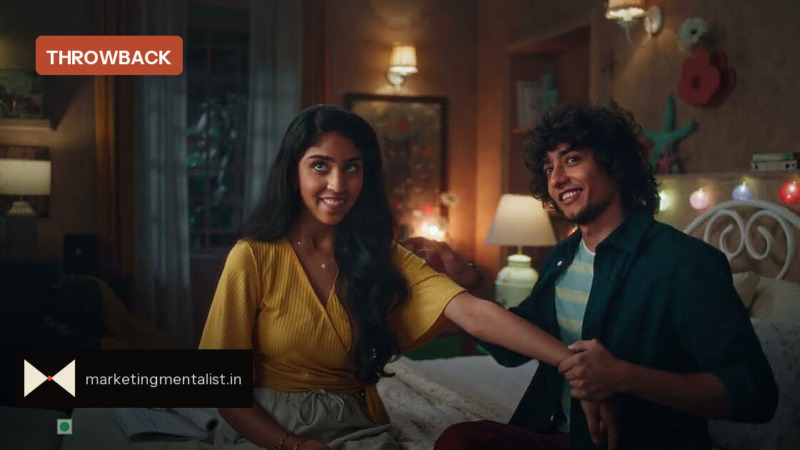
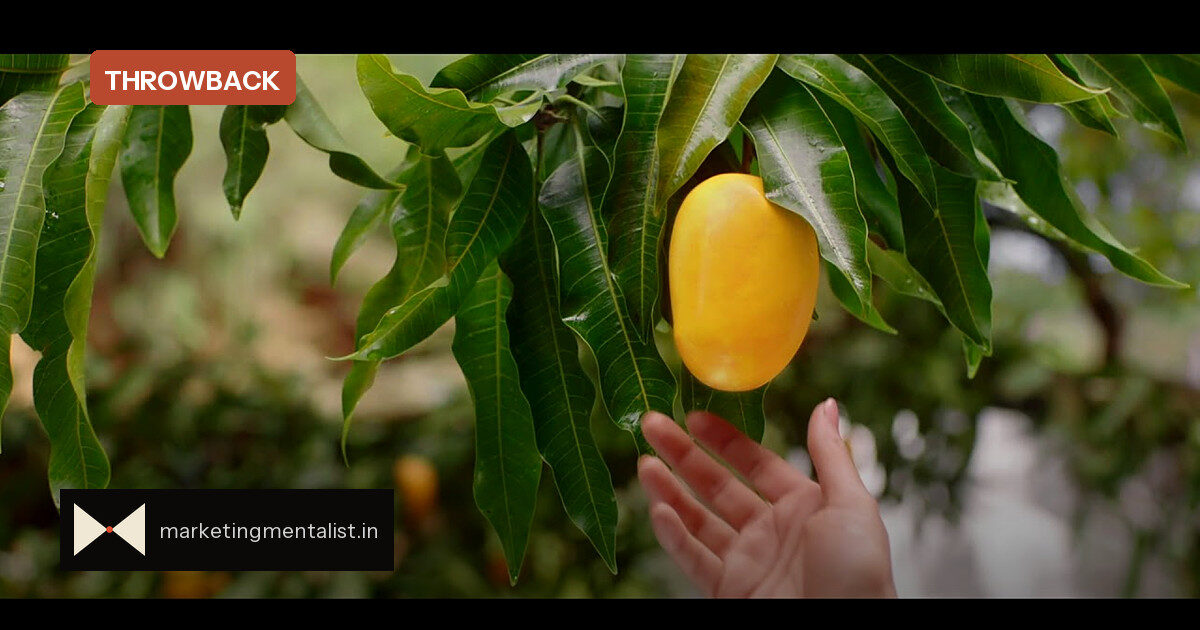
Picture a mango drink ad that never tries to be cute. That is Slice Aamsutra. The campaign ran in India in the late 2000s, when Slice was fighting for attention in a mango drink aisle full of childlike cheer. The title is a deliberate portmanteau: aam, Hindi for mango, and Kama Sutra, the ancient text on desire. That wordplay did a lot before a single frame played.
The film is less a story than an experience. It runs on texture, sound and the anticipation of tasting something. The brand line, Pure Mango Pleasure, tells you exactly what it wants to own.
The levers it pulled
Sensory simulation. Behavioural scientists call this grounded cognition: when you watch and hear a bite, a drip and a slow gloss, your brain fires some of the same regions involved in actually tasting. The film does not need to say the mango is juicy; it makes you feel it. That is a powerful pre-tasting ritual for a product people buy on impulse.
Semantic priming through the name. Aamsutra borrows the structure of a cultural idea associated with intimacy and pleasure, then attaches it to mango. The name acts as a prime. It sets an adult, slightly transgressive expectation before the film has to do any persuasion. That mild taboo is just safe enough for television, but bold enough to be remembered.
Category cue violation. The brain pays attention when something violates an expected pattern. Mango drinks in India had been sold through kids, mischief and family moments. Aamsutra walked away from all of that. The novelty made Slice hard to confuse with Maaza or Frooti and repositioned it as the indulgent choice.
What it did for the brand and the culture around it
The campaign gave Slice a sharper, more adult edge at a time when mango drinks were largely undifferentiated. It did not create a new product; it created a new meaning. Slice became the mango drink that felt like a private indulgence rather than a lunchbox staple.
Culturally, the campaign showed Indian beverage advertising that desire could be used as a positioning device. It made space for more sensorial, adult cues in a category that had been stuck in juvenile codes. It also invited some discomfort, which is usually evidence that a campaign has moved the category line.
What still works today and what would not
- Sensory filmmaking: close-up texture, wetness and sound still do the work of mental simulation.
- A name that fuses product and cultural desire is still a smart shortcut to repositioning.
- One simple ownership line, Pure Mango Pleasure, still states the promise without clutter.
What would not translate is the gaze. The original film leans on a woman as the object of desire, and modern audiences are quicker to call that out as dated or exclusionary. A useful rewrite would keep the sensory close-ups but make the fruit, or the shared moment, the object of craving.
Aamsutra holds up as a lesson in reframing: change the cues around a product, and you can change what people believe they are buying.
Watch the original: Slice on YouTube