Vicks Touch of Care: The ad that made care a brand moat
How Vicks used narrative transportation, identity signalling and an emotional halo to make a vapour rub part of India’s conversation on care.
The ad and when it ran
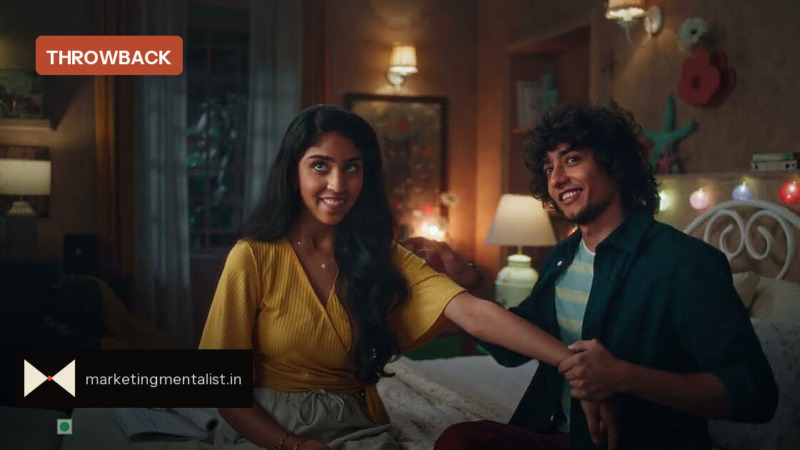
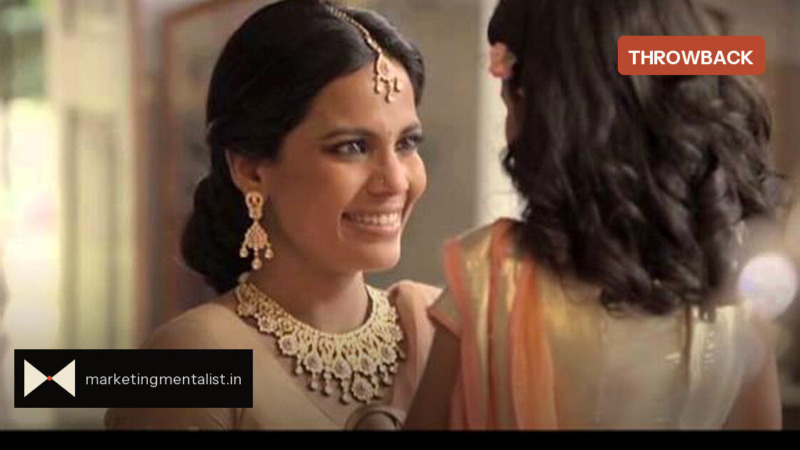
Vicks India released “Touch of Care” in 2017. The film told the real story of Gauri Sawant, a transgender activist and mother, and her adopted daughter Gayatri. It was a deliberate break from category advertising. Where most vapour rub work talked about blocked noses, chest congestion and night-time relief, this film talked about family.
The product barely appeared. What carried the long-form film was everyday maternal care: worry, protection, school, paperwork, reassurance. The campaign’s line, “Care lives on,” positioned Vicks as a quiet witness to that care rather than the hero of the story.
The levers it pulled
Three behavioural principles did the heavy lifting.
- Narrative transportation. The film used a close, documentary-style story: a real person, a real child, real tension. When viewers are transported into a story, they suspend counter-arguing. A product claim invites scepticism; a story invites feeling.
- Social identity signalling. By showing a transgender mother as simply a mother, the ad let inclusive Indian families see themselves in the brand. Sharing or praising the film became a small identity statement: this is what care looks like in my world.
- Emotional halo. The tenderness of the story transferred to the brand. Viewers did not remember a menthol ingredient; they remembered how the film made them feel about care.
What it did for the brand and the culture around it
For Vicks, the campaign created an emotional moat in a category that mostly competes on function and price. It made the brand feel like a participant in India’s shifting definition of family, not just a pack on a pharmacy shelf. In the years since, it has become a reference point for purpose-led advertising in India.
Culturally, the film arrived when conversations about transgender rights and chosen family were moving from the margins to the mainstream. It gave those ideas a nationally visible brand platform and made Gauri Sawant a recognisable face of maternal care, not a stereotype.
The campaign’s win was not just emotional. It gave Vicks a story structure—care across generations—that could extend into later work. It also showed that an old, trusted remedy brand could lead a cultural conversation without pretending to be an activist organisation.
What still works today and what would not
What still works: a specific, real human story; a universal value such as care; and a brand willing to stay quiet long enough for the feeling to land.
What would not: the same approach today demands higher proof. Indian audiences are quicker to spot purpose-washing. A brand that borrows a marginalised person’s story but does not invest in that community beyond the film risks a backlash. Long-form storytelling also has to earn attention faster; the same film posted today would likely need sharper pacing, captions and a shorter mobile cut.
Watch the original: Vicks on YouTube