The Psychology of Tanishq’s Remarriage Ad
In 2013, Tanishq made a second wedding the centre of a jewellery ad. The psychology behind it: social proof, identity and emotion.

The ad and when it ran
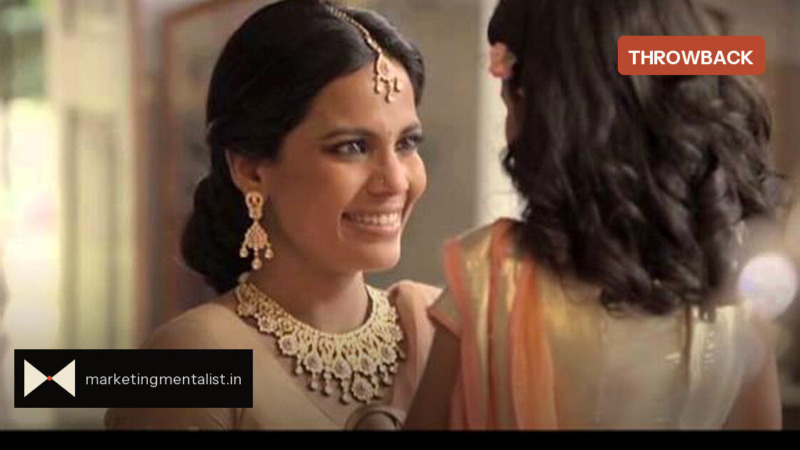
In 2013, Tanishq released a wedding-season film that skipped the conventional first-bride story. Instead, it centred on a woman preparing to remarry, with her daughter and family around her. The jewellery was present, but it never led the narrative. The closing line did the work: Everything changes after marriage. But for whom?
The film reframed a second marriage as a celebration rather than a stigma, making Tanishq jewellery a symbol of a woman’s new beginning. It arrived at a time when remarriage for women was still treated quietly in many Indian families, and advertisers rarely touched it.
The levers it pulled
The ad did not simply show gold. It used three behavioural levers to move the audience.
- Social proof through close ties. The bride’s family does not merely tolerate the remarriage; they participate in it. When the people closest to her treat the wedding as normal and joyful, the viewer is nudged to do the same. Their approval becomes the audience’s cue.
- Identity utility. Jewellery is not sold as an ornament but as a marker of a new identity. The bride is not reclaiming a past role; she is stepping into a new one. That makes the product feel less like decoration and more like evidence of self-worth.
- Affect heuristic. The film transfers the warmth of the family moment onto the brand. If the ad makes you feel tender or protective, part of that feeling sticks to Tanishq without any rational argument about carats or craftsmanship.
What it did for the brand and the culture around it
The film became one of Tanishq’s most talked-about wedding ads and sharpened its identity as a modern Indian jewellery brand. It positioned Tanishq as a brand that understood women’s life transitions, not just wedding rituals.
Culturally, it gave marketers permission to treat remarriage as a mainstream occasion. It normalised the idea that a second wedding deserves the same celebration, the same family involvement, and the same jewellery consideration as a first one. That was a small but meaningful shift in how Indian advertising talked about women’s choices.
What still works today — and what would not
The core insight still works: jewellery is bought for identity and social meaning, not metal. Showing a life transition the buyer wants to claim, and surrounding it with close endorsers, remains a strong creative device.
What would not land as easily now is a one-off purpose film with no visible follow-through. Today’s audiences expect the stance to show up in casting, store experience, and who the brand actually serves. A single ad without that proof would read as convenient storytelling rather than commitment.
Watch the original: Tanishq on YouTube