The Psychology of Apple’s Get a Mac
In 2006, Apple turned technical differences into a battle of personalities. Here are the behavioural levers that made Get a Mac work.
The ad and when it ran
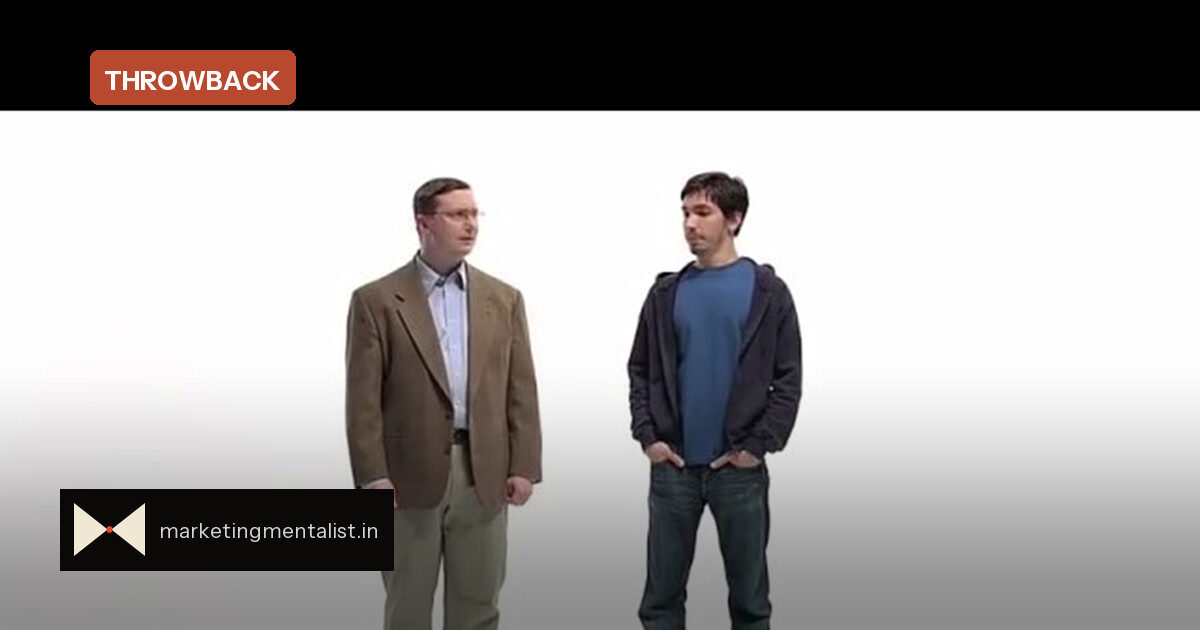
In 2006, Apple and TBWA\Media Arts Lab launched “Get a Mac,” a campaign that ran into 2009 and became one of the most imitated brand platforms of the decade. The film above, “Better,” was among the first spots and set the template: a relaxed creative type is a Mac, a buttoned-up office type is a PC, and their personalities do the selling.
It never really argued about processors. It argued about who you were. That was the entire psychology.
The levers it pulled
The campaign leaned on three behavioural ideas.
- Brand anthropomorphism. Once computers became people, viewers judged them the way they judge people—warm, capable, a little smug—rather than by clock speed. The film used wardrobe, posture and tone to make the characters legible before a feature was named.
- Social identity theory. The ads made “Mac person” and “PC person” feel like tribes. Choosing a computer became a way of signalling which one you belonged to, not just what you could afford.
- Contrast effect. PC was framed as the default, slightly burdened option; Mac appeared lighter and freer by comparison. The sequence made the difference feel larger than any single specification could.
Personification gave you someone to like, identity gave you a reason to care, and contrast made the choice feel obvious.
What it did for the brand and the culture around it
“Get a Mac” turned a product line into a personality test. It gave Apple a fluent, confident voice at a time when the iPod was already warming people to the brand. The work is widely credited with helping Mac shed its niche image and become a mainstream identity choice, and Apple’s Mac sales climbed during the campaign’s run.
Culturally, the characters became shorthand. “I’m a Mac, I’m a PC” was parodied, debated and eventually answered by Microsoft’s own “I’m a PC” campaign—a sign the metaphor had landed hard enough to provoke a response. The campaign also gave Apple fans a shared vocabulary, the way a good sitcom gives people a running joke.
What still works today and what would not
Some lessons have aged well:
- Give the product a consistent human personality instead of a feature list.
- Use repetition and episodic characters to build familiarity.
- Sell identity before you sell specifications.
What would not land the same way is the smirk. The Mac’s cool-kid superiority and the PC-as-bumbling-fool trope read less as wit today and more as mockery. Modern audiences are quicker to side with the underdog, and a direct “we’re cool, they’re clueless” frame can feel mean rather than clever. Tech purchases have also grown more complex—ecosystem, privacy, services—so reducing the decision to two archetypes may oversimplify what buyers actually weigh.
Watch the original: Apple on YouTube