The Psychology Behind super.money’s Tiger Shroff SplitStore Ad
How super.money uses Tiger Shroff's iconic splits to make Pay in 3 impossible to forget—and what marketers can borrow from the campaign.

The ad in one paragraph
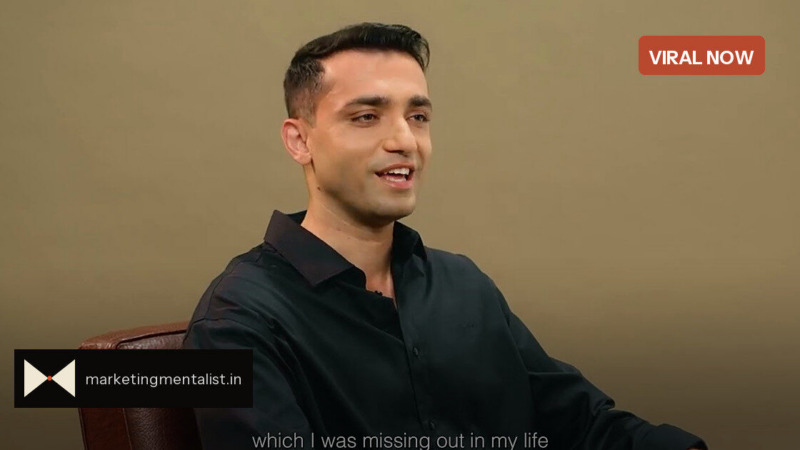
super.money’s new film for splitStore casts Tiger Shroff as a man who hears “split your costs” and takes it extremely literally. Instead of explaining the product, the actor drops into the physical splits in a series of everyday settings until the brand lands the actual offer: splitStore’s Pay in 3 feature, which divides purchases into three equal instalments with no interest or fees. Created by creative agency Talented, the campaign promotes splitStore, the in-app shopping marketplace inside the super.money UPI app, and is rolling out across film, print, social media and meme-led formats.
The levers it pulls
The film works less like a feature explainer and more like a memory implant. Three behavioural principles do most of the work.
- Von Restorff effect. Tiger’s extreme physical splits stand out sharply from the usual fintech ad grammar of phones, UPI screens and payoff lines. That distinctiveness makes the Pay in 3 message easier to retrieve.
- Visual concreteness. “Split your payment” is abstract; a man doing a full split is not. The ad converts a financial mechanic into a physical action, which gives the brain something vivid to encode.
- Processing fluency. Tiger’s splits are already part of popular culture, so the film borrows a ready-made mental shortcut. The line “split the payment, not yourself” simply gives that existing association a commercial meaning.
What it does for the brand
super.money gets a rare fintech asset: a feature that is easy to recall. Prakash Sikaria, founder and CEO, said the goal was to make one simple benefit “impossible to forget.” The campaign follows the earlier Salman Khan IPL push for cashback, so it also builds a pattern of large, stunt-led celebrity spots rather than one-off noise.
The brand’s tagline does the strategic work. It attaches the product’s meaning to Tiger’s most famous physical skill and then separates the two: when you shop on splitStore, split the payment, not yourself. That is product recall with a punchline.
What to borrow for your next campaign
The transferable ideas are practical:
- Match the star’s signature asset to the offer. Do not rent fame alone. A celebrity is useful only when a known trait can carry the product benefit.
- Make the abstract physical. If your feature is hard to visualise, find a body, object or action that makes it concrete.
- Build one repeatable visual. The same split across multiple settings gives the campaign a meme-ready format and a memory hook.
The lesson is not “use a star.” It is “make the feature impossible to unsee.”
Watch the original: super.money on YouTube
Source: ETBrandEquity.com