Why Kalyan Jewellers Built a Separate Brand for Tamil Nadu
Kalyan Jewellers launched Akshaya Thanga Maligai as a separate Tamil brand, revealing how regional identity and mental accounting shape buying.
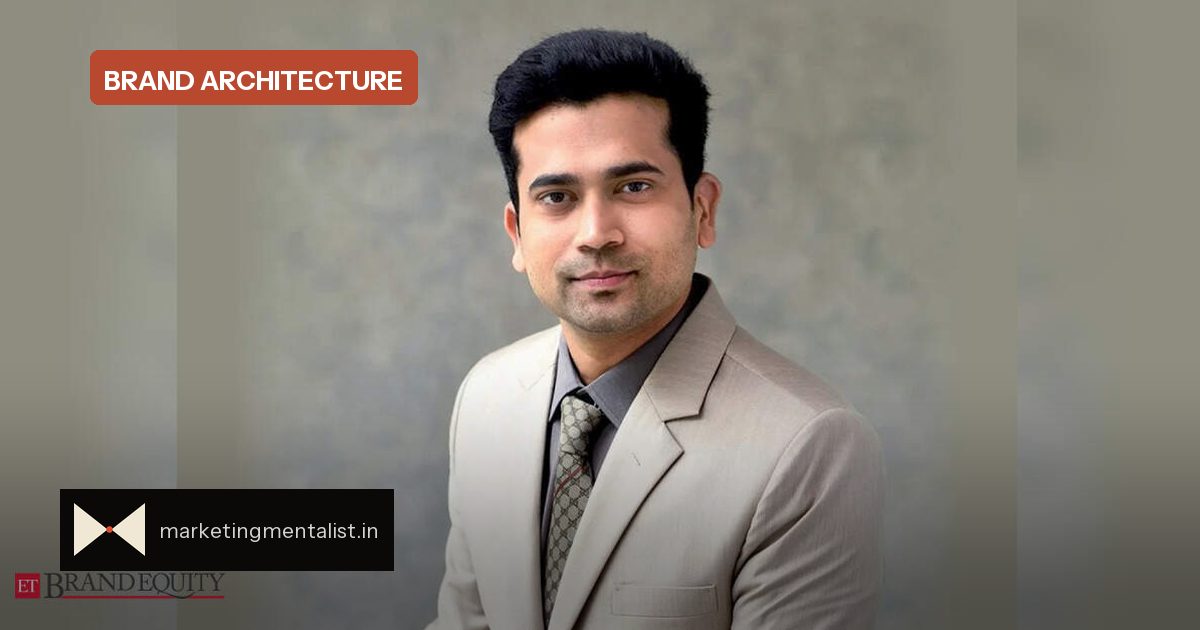
Kalyan Jewellers is making a counterintuitive move. Rather than localising its flagship brand for Tamil Nadu, the company has launched Akshaya Thanga Maligai, or ATM, as a standalone regional jewellery brand. The decision, explained by executive director Ramesh Kalyanaraman in a conversation with ETBrandEquity, is less about logistics and more about consumer identity.
The case for a separate regional brand
Kalyan Jewellers already operates as what Kalyanaraman calls a hyper-local national brand, with roughly 30–40 per cent of inventory tailored to local tastes and 60 per cent national. But the Tamil consumers attracted to Kalyan tend to be aspirational. Another large segment wants staple, traditional Tamil jewellery and may not yet desire polki or diamonds, even if they are financially well-off.
Rather than stretch the flagship to serve both psyches, the company gave ATM its own identity. It is not “ATM by Kalyan,” though Kalyan’s infrastructure, sourcing and experience support it. The branding logic: when two consumer segments hold different beliefs about what a purchase means, one master brand can become noise for both.
The 60-30-10 insight
Kalyanaraman divides the organised jewellery market into three baskets: regional, national, and lightweight or luxury. The split is roughly 60-30-10. The largest basket is the less aspirational, core regional audience—and that segment, he says, is three times bigger than the one Kalyan and similar players are serving.
This is not necessarily a rural or semi-urban story. For an unorganised customer moving into organised jewellery, going straight to a national flagship can feel like a stretch. The first step is often a regional player. ATM is designed to be that bridge. Kalyan plans to create regional brands in at least four states over five to seven years, beginning with Tamil Nadu and staying focused there for the next two years.
Local intelligence before visible demand
Kalyanaraman argues that consumer preferences keep changing, and brands cannot wait for the shift to become obvious. He compares it to forecasting rain: “you cannot take an umbrella after it rains.” The company uses an existing team to scale research and development for Tamil Nadu.
That intelligence also plays out in the “My Kalyan” door-to-door engagement model. Television builds aura through one-way communication; My Kalyan builds a hyper-local relationship through two-way conversations, catalogues and doorstep visits. As Kalyanaraman puts it, national presence is not equal to national brand—Kalyan is Gujarati in Gujarat and Punjabi in Punjab.
Why higher gold prices rarely kill demand
On rising gold prices, Kalyanaraman offers a useful pricing-psychology lesson. There is no direct relationship between gold prices and consumer sentiment because buyers view gold as an asset that increases in value over time. As a result, they do not feel guilty about buying jewellery. There can be a pause during sharp turbulence while consumers watch direction, but they usually return. Weddings drive around 50–60 per cent of Kalyan’s revenue, and a wedding date cannot be changed because gold became expensive. The budget determines quantity, not the decision to buy.
What marketers can borrow
- Launch a separate brand when a distinct segment would be diluted by the flagship’s meaning.
- Map market baskets by identity, not only by geography or income.
- Build local research capacity before demand trends become visible.
- Classify high-ticket ritual purchases as asset or identity spending, not discretionary guilt spending.
Source: ETBrandEquity.com