Inflation Bites as Shoppers Count Every Penny
Urban spending fell 4% and rural grocery dropped 5% as Indian shoppers protect essentials and postpone impulse buys. Here's what marketers should do.
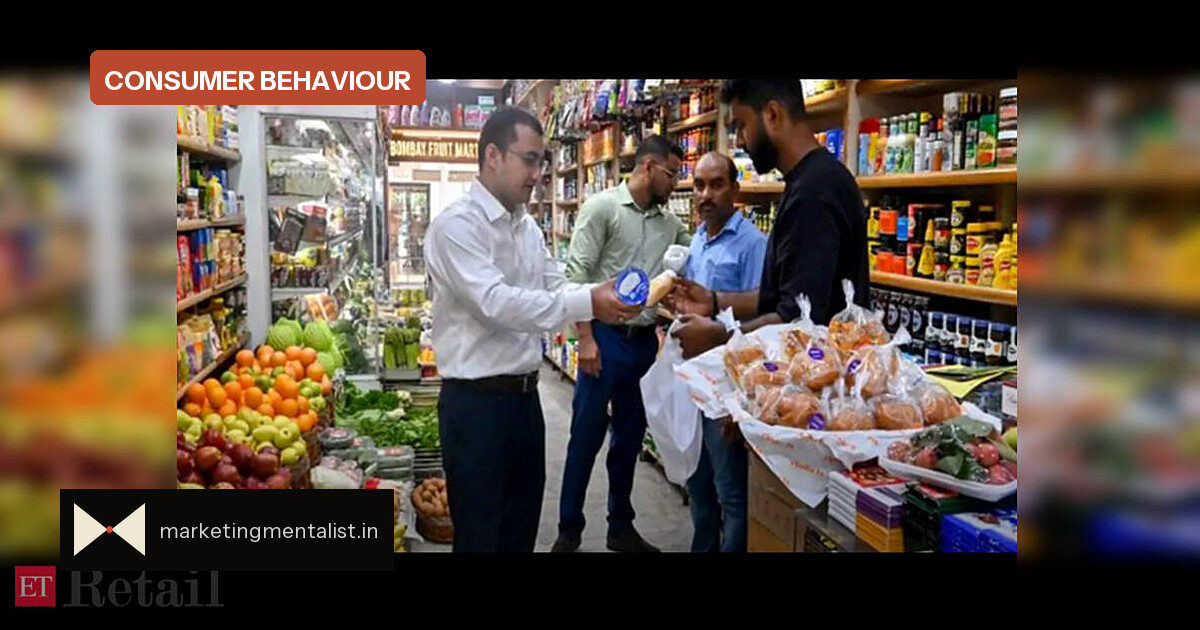
India’s price-sensitive shoppers are not cutting back everywhere. They are sorting spending into two piles: what must be paid, and what can wait. The second pile is growing.
The numbers behind the mood
Urban quarterly expenditure declined 4% year-on-year, compared with 14% growth in the previous year, according to data cited by ETRetail. A Worldpanel by Numerator study showed overall grocery spending slipped 1% in the March quarter, with the drop sharper in rural homes at 5%.
Those figures point to the same story: households are defending essentials and delaying the rest. Higher EMI outlays make short-term disposable spend even tighter, said Manoj Menon, director of Worldpanel’s commercial division.
Impulse buys are the first casualty
Anupam Bansal, executive director at Liberty Shoes, said consumers are not eliminating purchase decisions altogether, they are postponing them, and impulse buying has certainly come down. Demand has not vanished; it has moved later, or moved toward safer, need-based purchases.
Entry-level shoppers are the hardest hit. Analysts at NIQ noted that rising input costs have weighed on magic price points — the Rs 5 and Rs 10 packs across categories. Companies in FMCG and durables took more than one round of price hikes to cope with commodity inflation, while crude prices fed packaging and logistics costs.
Haldiram Marketing director Umesh Kumar Agarwal said price increases have had an impact, and the slowdown is becoming visible now in mass markets and rural India. When budgets tighten, households put necessities first and push everything else down the list.
What the smartest brands are doing
Some companies are choosing access over margin. Parle Products CMO Mayank Shah said the focus going ahead will be on affordability, distribution and availability rather than looking at price increases. Mother Dairy MD Jayatheertha Chary also said input costs remain pressured and the company will calibrate accordingly.
For brand managers, the practical playbook is:
- Protect the magic price points. A Rs 5 or Rs 10 pack is a purchase habit, not just a unit. Damage it and you lose the reflex.
- Reposition around necessity. If a product can plausibly sit in a household’s protected budget, it survives; if it feels optional, it is postponed.
- Make postponement painless. Offers that reduce the cost of waiting — smaller packs, value bundles, assured availability — convert “not now” into “yes, this time”.
Interesting nuance: consumer durables gained share of wallet, helped by GST cuts. When a considered purchase offers a clear, durable value, shoppers will still act. The brands under pressure are the ones whose only argument was convenience or impulse.
Source: ETRetail.com