60% of Gen Z spent more this festive gifting season
A Rukam Capital–YouGov study finds Gen Z spent more, used AI for gift ideas and made self-gifting part of the festive basket. Here is what shifts for brands.
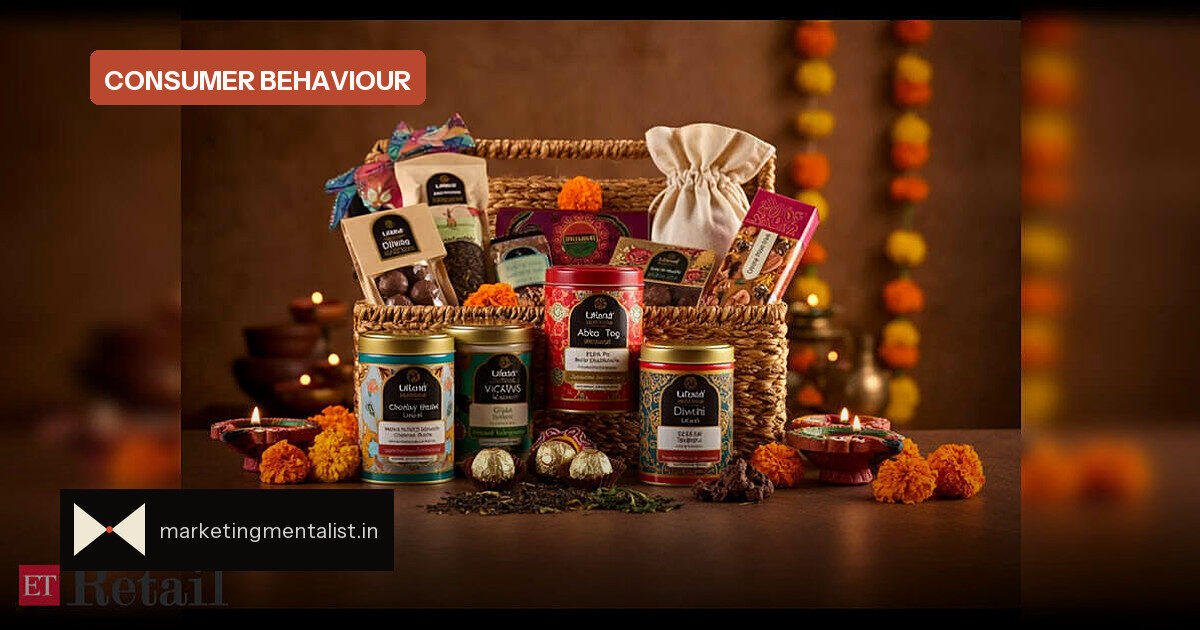
Festive gifting in India is no longer just a transaction; it is becoming a statement of identity. A Rukam Capital–YouGov study of 4,002 respondents aged 18–29 across 18 states captures how Gen Z is rewiring gift selection, purchase and delivery.
Who is buying, and how much
Six in ten young respondents said they spent more during festivals. Family remains central: 74% bought gifts for parents and family. But the self is now on the list too. Close to three in ten said they self-gift, treating personal indulgence as part of festive consumption.
AI becomes a gifting co-pilot
One in four in the study used AI for gift ideas. Mumbai designer Radhika Chudasma, 24, describes feeding a recipient’s LinkedIn or Instagram profile to a chatbot to generate hyper-personalised suggestions, even for corporate gifting. At Amazon Fashion, director Nikhil Sinha says more than half the customer base is now Gen Z, up from roughly 30% two years ago, and one in three Gen Z shoppers use its Rufus AI assistant to explore trends.
From budget briefs to mood briefs
The shift is visible in how gifting consultancies are briefed. Vedika Shah, founder of The Gift Concierge, says older clients talk quantities, budgets and standard contents; younger clients describe the recipient: “my mother loves her morning tea ritual; my brother is training for a marathon.” The follow-up question, she notes, is often “what’s the story behind this?”
That changes what counts as value:
- Provenance and maker stories matter more than fancy packaging.
- Healthy snacking and homegrown brands enter the festive basket; Rukam Capital’s Archana Jahagirdar cites GO DESi and Sleepy Owl as examples.
- Traditional categories stay, but are reinterpreted rather than rejected.
Tradition, re-packaged
FNP CMO Avi Kumar sees traditional categories retaining cultural pull—44% in the survey choose food, sweets and dry fruits. But the packaging and combinations are changing, such as its Mithai Map of India hamper with eight regional sweets. “Gen Z doesn’t necessarily reject tradition; they want to reinterpret it,” Kumar says.
The jobs-to-be-done behind the gift
For marketers, the pattern maps neatly to a Jobs-to-be-Done view: a gift is not just an object, it is proof of attention. When a mug is tied to a private joke, or a regional hamper shows the giver knows the recipient’s tastes, the job is recognition. Gen Z is hiring fewer, more specific gifts to do that job.
Self-gifting and accessible thoughtfulness
The youngest shopper in the family is often steering choices, even when parents pay. Quick commerce is booming as a result; FNP’s quick-commerce business grew around sixfold in FY26. Kumar calls the winning formula “accessible thoughtfulness”: distinctive, personal and within reach.
As one 21-year-old puts it, the gifting circle is widening—so long as the same soan papdi box isn’t doing the rounds all Diwali.
Source: ETRetail.com