Dumb Ways to Die: The Psychology of a Viral Warning
How Metro Trains and McCann Melbourne turned a rail-safety warning into a global singalong by making danger feel adorable and highly shareable.
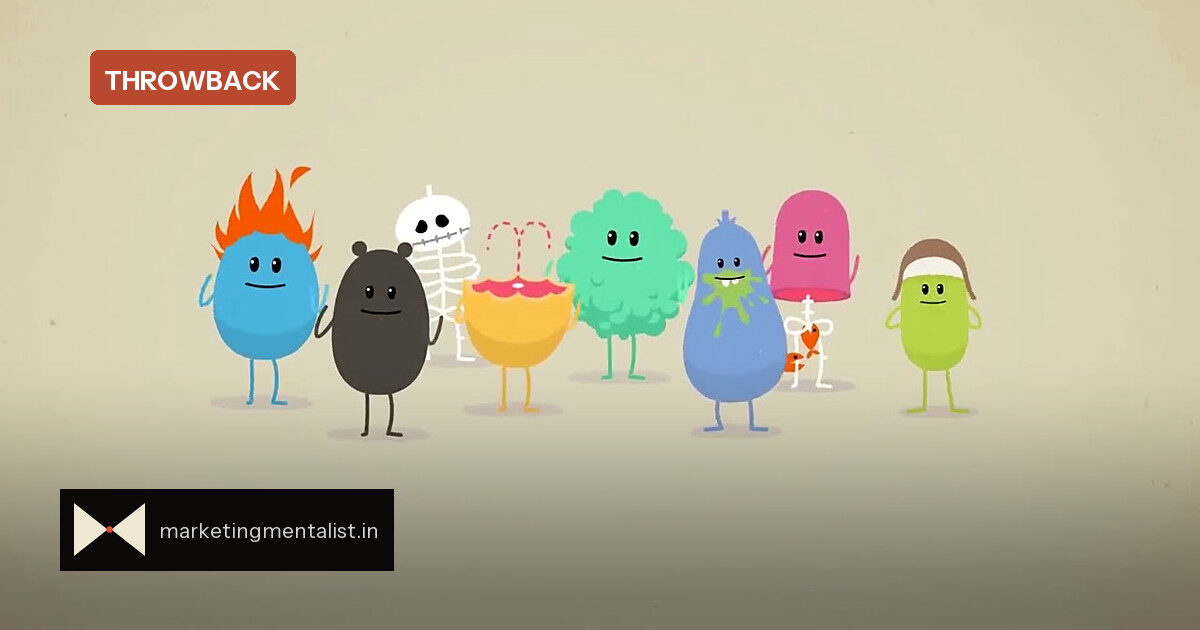
The ad and when it ran
In 2012, Metro Trains in Melbourne had a serious problem: young people kept taking risks around train tracks. Its answer, created with McCann Melbourne, was Dumb Ways to Die—a three-minute animation that set a bouncy indie-pop song to a cast of cute, accident-prone characters. The song listed absurd deaths before turning to the real warning: standing too close to the platform edge, crossing tracks, and driving around boom gates.
The film ran online and across metro stations, then expanded into posters, games, school programs and a safety pledge. It was never a lecture. It was a song people chose to share.
The levers it pulled
The campaign worked because it used at least three behavioural principles with uncomfortable precision.
- Incongruity theory. Safety messages usually signal danger and authority. Dumb Ways to Die used pastel colours, round blob characters and a cheerful tune. That mismatch made the warning feel fresh and safe to engage with, so people dropped their usual resistance to a public-service message.
- Message framing. Instead of saying “trains are dangerous,” the ad framed unsafe behaviour as dumb, not terrifying. That framing made the risk feel personal and social: the danger wasn’t just injury, but embarrassment. People shared it to say, “look how silly this is.”
- Rhyme and rhythm as a mnemonic. The song turned safe behaviour into an earworm. Repetition, melody and bright visuals made the warning easy to recall. That’s why people could hum it years later without trying.
What it did for the brand and the culture around it
Dumb Ways to Die became bigger than a safety campaign. It spread worldwide, inspired parodies, and made Metro Trains Melbourne famous well beyond its network. The campaign is credited with generating millions of engagements and pushing the phrase into everyday language. It also collected top honours at Cannes Lions, becoming one of the most awarded campaigns of its era.
Culturally, it shifted the template for public-safety advertising. Before, the default was fear and seriousness. After, brands and governments started asking: what if we make the warning fun? The answer proved that a serious message doesn’t have to feel heavy to land.
What still works today and what would not
What works: the insight that attention is the first barrier. If a message doesn’t stop people, it cannot persuade them. Making a lesson entertaining is still a reliable way to get past that barrier. The campaign also showed that a clear behavioural call—be safe around trains—can sit inside the fun without disappearing.
What would not work as easily: a three-minute film would be a tougher sell on today’s short-video feeds. Some of the edgy jokes and “dumb ways to die” deaths might also face stricter moderation or risk complaints if run today. And a campaign this big can become a victim of its own success: the entertainment was so strong that some people remember the song better than the safety action.
The real lesson is not to copy the song. It’s to steal the structure: emotional surprise first, clear action second.
Watch the original: Metro Trains on YouTube