BMW’s Rs 1.95 Crore 7 Series Gets a Bollywood Brand Voice
BMW India names Ranveer Singh Brand Voice for the new 7 Series, starting at Rs 1.95 crore, as it courts younger self-made luxury buyers.
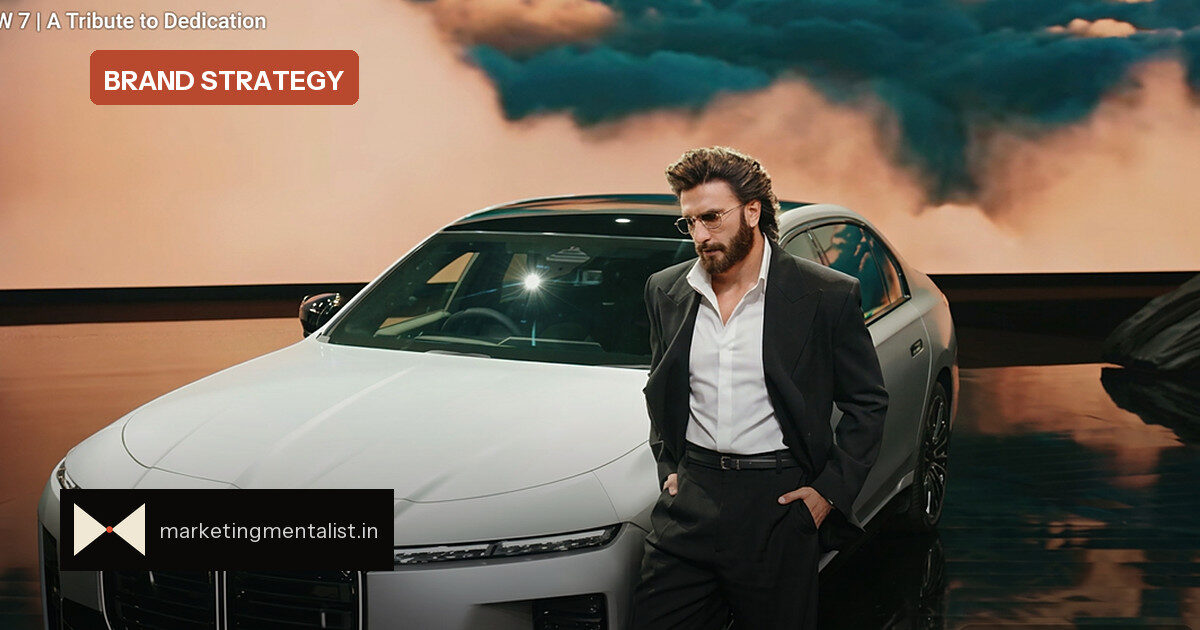
BMW India has given its most boardroom-friendly sedan a louder cultural signal. At the New Delhi reveal of the new 7 Series range, actor Ranveer Singh arrived in the top-end i7 M70 and was announced as the automaker’s Brand Voice for India, beginning with the 7 Series. The launch also included a fashion showcase by designer Tarun Tahiliani. The range covers petrol and fully electric versions, starts at Rs 1.95 crore, and deliveries are set for October 2026.
Why a flamboyant star for a chauffeur-driven flagship?
The 7 Series has long been a back-seat, corporate-leader car. Singh’s casting looks like a departure, but BMW India’s marketing director Vitesh Brar frames it as a refresh of who represents the car today. He avoids the age question and says the badge is for leaders and visionaries, qualities he argues are not defined by age.
The customer base, however, is changing. Brar says luxury car customers in India are getting younger, with the average BMW customer around 40. They are often first-generation entrepreneurs, confident and self-made, and they expect the car to reflect their personality. In that reading, Singh represents the next buyer rather than a break from the brand.
From ambassador to brand voice
BMW India previously kept celebrity associations selective. Sachin Tendulkar was the lead ambassador for over a decade, and golfer Shiv Kapur represented the brand at luxury golf events. The shift to a “Brand Voice” is meant to signal more than endorsement. Brar describes it as “an extension of the brand much beyond simple endorsements” and stresses that Singh is a genuine car enthusiast who understands the emotion behind driving pleasure. The launch idea, “Tribute to Dedication”, connects Singh’s unconventional style to years of work.
What the modern luxury buyer wants
BMW’s read of the Indian luxury customer goes beyond age. The buyer is younger, more self-made and individualistic, globally exposed, digitally informed, and increasingly outside the metros. For them, luxury is less a reward for success and more an expression of who they are and where they are going.
- Younger, self-made and first-generation in many cases
- Located beyond traditional metro markets
- Globally exposed and digitally informed
- Experience-led, with an appetite for fashion, art, music and gaming
- Expecting personalisation, sustainability and transparent ownership
Cultural relevance without diluting exclusivity
The Tarun Tahiliani tie-up is not a one-off, according to Brar. BMW sees design, art and culture as natural brand extensions, not separate marketing stunts. The point is to make BMW a brand people want to engage with, not just a car they aspire to own.
For younger audiences, BMW is experimenting where attention already sits: digital platforms, music, fashion, gaming and immersive experiences such as JOYTOWN and the BMW M Drift Academy. These make the brand feel accessible without weakening the performance core. The latest campaign, Drive Your Match, moves the message from “there is a BMW for every you” to fit: each car is matched to a specific personality and lifestyle.
What marketers can take away
BMW is not chasing volume by signing a popular face. It is using cultural relevance to refresh the brand’s image for a buyer who already has the money but wants a different story. The takeaway for premium brands: broaden the audience, not the positioning. Pair celebrity visibility with controlled, high-quality brand experiences, and choose a face that genuinely shares the product’s values rather than one who simply adds reach.
Source: Afaqs!