BGMI uses 4 films to tell players ‘Soch Kum, Khel Maximum’
BGMI's new campaign reframes hesitation as overthinking and lowers the skill barrier so casual play feels like the natural first choice.
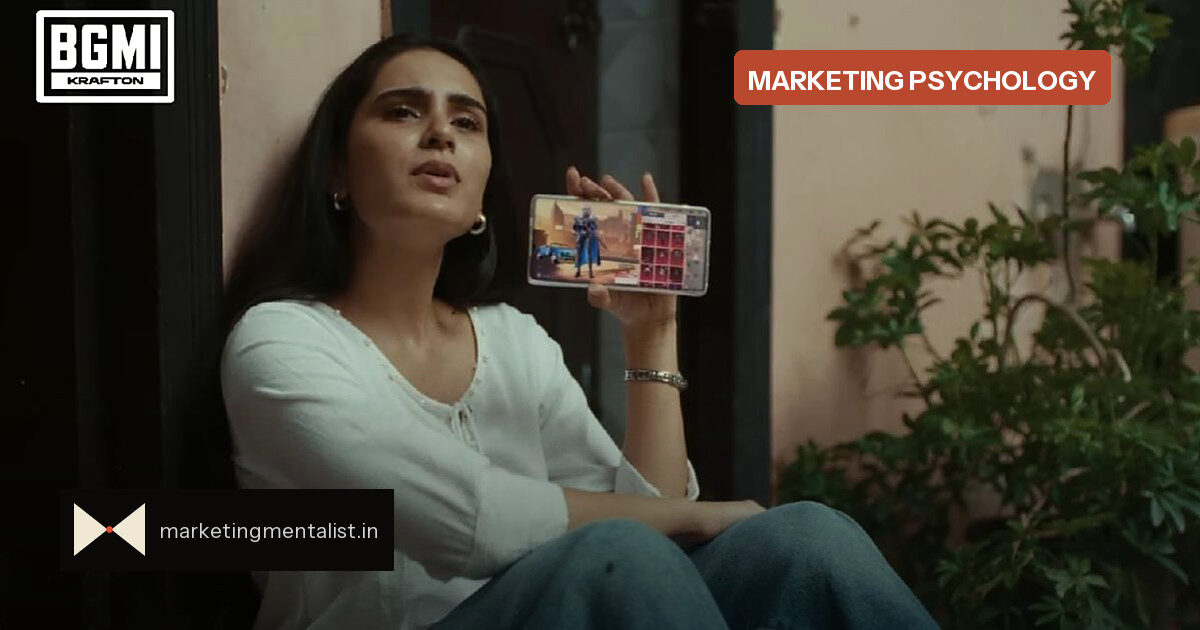
BGMI’s latest campaign starts with a truth most game marketers overlook: the person who is hesitating to play is not asking whether the game is good. They are asking whether they are good enough.
“Soch Kum, Khel Maximum” — think less, play maximum — is a four-film push created by 22feet that sets out to answer that question without a skills test. Each film pairs a moment where a second thought is genuinely useful with the decision to start a BGMI match, which the brand insists should not require one.
Krafton India’s Srinjoy Das explained that this year the game has added modes and maps that are easy to pick up. The payoff is the campaign’s central promise: play is casual, instant and does not need a squad or a fixed schedule.
Shyam Nair, executive creative director at 22feet, put the strategic shift bluntly: “You shouldn’t need a gaming resume to join your friends for a game of BGMI.” The pressure to be skilled before playing, he said, is exactly what the campaign wants to remove.
The real friction is mental
From a behavioural standpoint, the campaign targets analysis paralysis: the more someone weighs skill level, squad composition, map knowledge and time commitment, the heavier the decision becomes. When the perceived cost of starting feels high, the easiest choice is to not start.
Most game marketing raises motivation: esports glory, big rewards, new weapons. BGMI flips the lever by reducing the ability requirement. In BJ Fogg’s behaviour model, action happens when motivation, ability and a prompt come together. This campaign dials up the prompt while lowering the ability threshold.
Casual play is positioned as complete
The subtext matters. The films do not say even beginners can manage. They say solo play and casual play are valid choices, not a compromise. Belonging is part of the offer: players can join without waiting for a full squad or clearing a calendar block.
For brand managers, this is a category-expansion move. BGMI already has the hardcore audience; insisting that everyone enter as a serious gamer only caps growth. By normalising the lightweight experience, the brand creates an on-ramp that can later deepen into more frequent or competitive play. For marketers outside gaming, the transferable lesson is straightforward: if your product has a perceived skill floor, every message that raises that floor shrinks your addressable market.
What to borrow
- Reframe the barrier. Speak to the hesitation itself, not the product’s complexity.
- Make the easy version legitimate. Position solo or lightweight usage as a complete experience, not a beginner status.
- Use contrast humour. Juxtapose decisions that deserve overthinking with a purchase or usage decision that should be low-stakes.
The campaign will be amplified through real-time conversations and viral moments on BGMI’s Instagram properties, which suits the insight: overthinking is best interrupted socially, in the feed, where hesitation meets entertainment.
Source: Afaqs!