First Video Call Home: How Shared Memory Forms
A private first became a shared timestamp. Why India's 2016 data moment works as collective nostalgia—and what marketers can reuse.
A first video call home should feel private. But after 2016, it became shared property. Ask anyone about their first call and you rarely get a solitary memory. You get a room, a parent waving, a neighbour leaning in, and a data counter that no longer mattered.
That is not just nostalgia. It is a psychological asset. Brands spend heavily to be remembered. The rarer achievement is becoming part of a memory people feel they own together.
The first call was never really singular
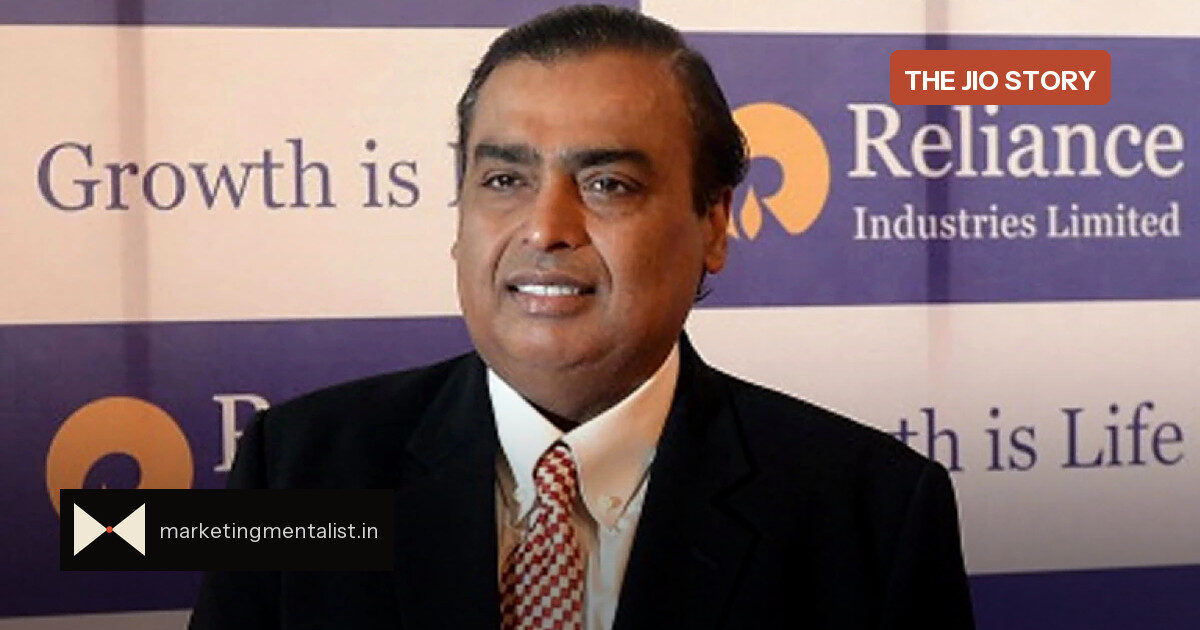
In 2016, Reliance Industries stated Jio launched with a Welcome Offer: unlimited 4G data, voice, video and apps. According to the Reliance Industries Integrated Annual Report 2016-17, the company reported 100 million subscribers within 170 days of launch. For marketers, the speed is less interesting than the synchrony. Millions were trying the same actions at roughly the same time: making video calls, downloading apps, refreshing feeds without measuring data.
The question India asked shifted from “How much does data cost?” to “What can we do with data?” That move converted private firsts into collective ones. Your first video call home resembled mine: the same pause, the same grainy smile, the same slightly-too-loud hello.
Why collective nostalgia is stickier than a campaign
Collective nostalgia is not a slogan. It is a memory with a shared timestamp. It gives people three things:
- A before-and-after landmark: the memory separates the rationed-data era from an always-on one.
- Social proof: if millions share the ritual, adoption feels less like a choice and more like culture.
- Identity without effort: people recall the moment, not the megabytes—and they remember the brand as context.
That last point is the counterintuitive part. A brand does not need to be the hero of a shared memory. It needs to host the moment well enough to become the setting.
Brands inherit memories, not just metrics
By March 2026, Reliance Jio Infocomm reported 524 million+ customers. Yet the more durable marketing idea is not scale. It is a social script: “my first video call home” became shorthand for a transition many people experienced at once.
For marketers, the discipline is to spot rituals that are already becoming common and then serve them, not interrupt them. When a brand becomes part of a shared memory, it no longer has to argue for relevance. The memory does the explaining.
Shared memory also changes the marketing timetable. Most campaigns ask for attention now. Shared nostalgia asks for recall later. That is why it can outlive a product cycle, a pricing war or a rebrand. It becomes a reference point people return to without being prompted.
As reported at Reliance Industries’ 48th AGM in August 2025, the ecosystem has grown to span connectivity, entertainment, commerce, payments, devices, cloud and AI. But the memory people return to is smaller and sharper: a first call, a shared screen, a month when data stopped being the main character.