Style DMs became 500+ clients and an app stake
A fashion creator turned repeated audience requests into a 500+ client styling service, equity in Driptail, and a diversified creator-income model.
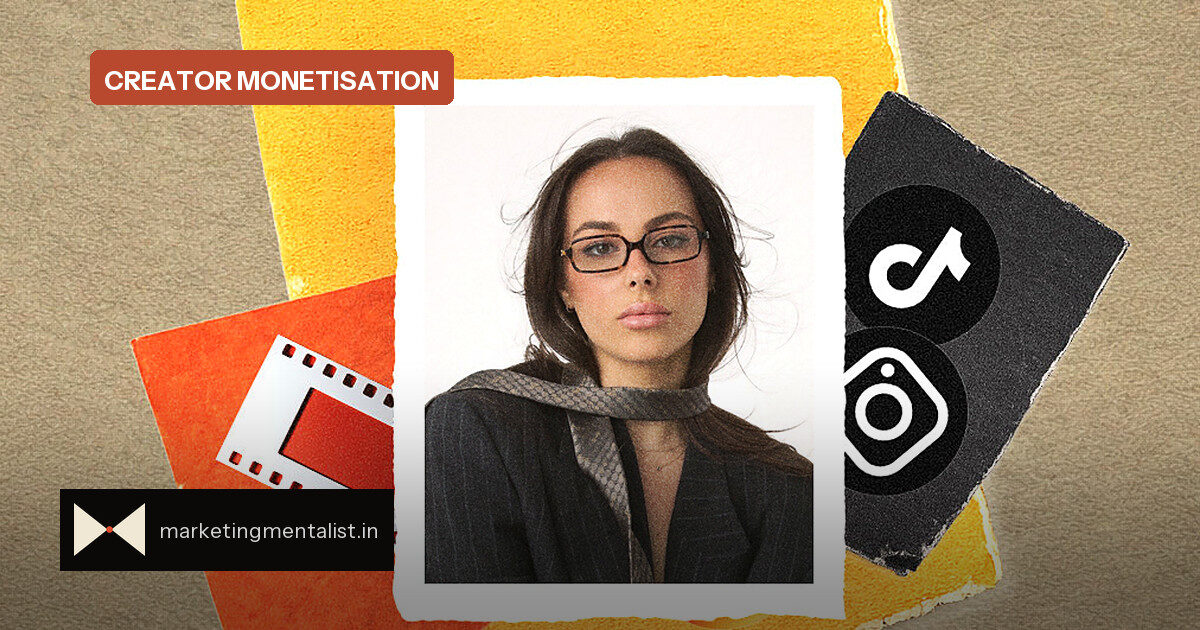
Maddy Gustini started making fashion content in 2023 with a clear gap in mind: practical style guidance for men who will never walk a red carpet. Within a year she passed 100,000 Instagram followers; she now sits close to 300,000. The audience did more than watch. They asked her to shop for them, plan outfits and redo wardrobes. Gustini turned those repeated requests into Maddy G Style, a paid personal styling offer.
The audience asked; she built the product
Her service is deliberately tiered. A style deck runs $55 per outfit, a full closet redo costs $800, and shopping help starts above $250 an hour. The numbers suggest the demand was already there. She has more than 500 style deck and closet redo clients and over 100 regular styling clients, on top of brand deals that pay $5,000 to $10,000 a month.
The structure matters. Gustini still makes around 60% of revenue from brand partnerships, 20% from styling and 20% from affiliate links. Content remains the marketing engine: every client and sale traces back to her videos and recommendations.
Why this works psychologically
Gustini’s audience is not passively watching a lifestyle. They are coming to her for a decision: what should I wear, buy, keep? That makes her content an advice relationship, not entertainment. When an audience repeatedly asks you to solve the same problem, the paid offer is just the formal version of a request you are already answering for free.
She also protects the trust that makes the business possible. Recommending a brand that does not fit her taste would be “harmful to my content and my audience,” she told Digiday. The brand partnerships with labels such as J. Crew, Calvin Klein and Todd Snyder work because they sit near the advice she would give anyway.
The lesson: build a revenue ladder
Gustini’s move is a template for creators and consumer brands:
- Attention: content that solves a specific, recurring problem.
- Trust: consistent advice that treats taste as non-negotiable.
- Transaction: a paid service or product that formalises what the audience already asks for.
- Ownership: equity in a product the audience uses, turning influence into long-term upside.
That last rung is where her Driptail bet fits. Driptail, a social fashion app that matches clothing to body type, had roughly 100 users at its March launch and nearly 6,000 by July after equity-holding creators began promoting it. One post from Gustini drove 1,000 new users and more than 100 purchases in three days. The point is not the app itself. It is the sequencing: audience, service, cash, equity.
Diversify away from the algorithm
Gustini’s stated logic is clear: you do not want income to depend entirely on whether a video reaches six figures of views. The styling business and app stake are hedges against platform volatility. For brand managers, the same principle applies to acquisition channels. The more your revenue depends on one algorithm, one marketplace or one trend, the more fragile demand becomes.
Start with the recurring audience request. Productise it. Then use the resulting cash and credibility to move from selling access to owning a piece of the infrastructure your audience uses.
Source: Digiday