How Vodafone’s ZooZoo Made Telecom Ads Unforgettable
The psychology behind Vodafone’s ZooZoo: how simple white mascots turned phone features into pop culture and made a utility brand feel warm.
The ad and when it ran
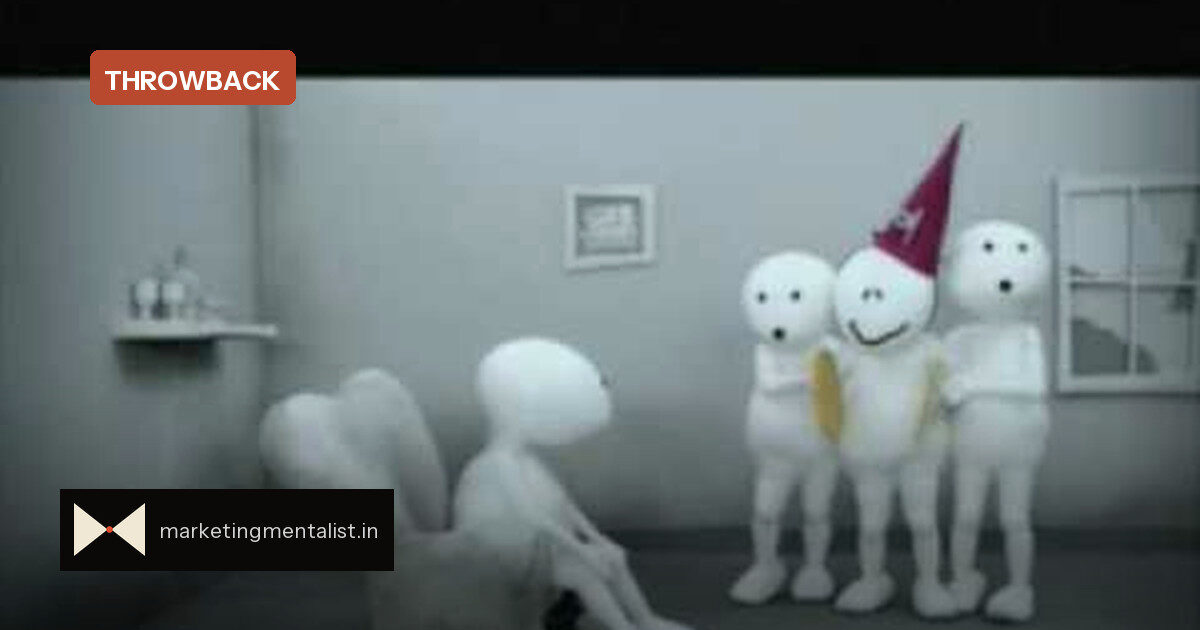
The ZooZoo campaign was conceived around 2008 and landed on Indian television during the IPL, just as the tournament was becoming the country’s biggest shared screen. The films were deliberately short, silent and built around a tribe of small, white, egg-headed characters with dot eyes and skinny limbs.
The “Magic Box” film plays like a tiny piece of silent comedy. A single prop carries the story, so the benefit is understood through action rather than explanation. No dialogue, no tariff talk, no network grid.
The levers it pulled
Three behavioural principles made the film land.
- Cognitive fluency. The Zoozoos are easy to like partly because they’re easy to process. Smooth shapes, high contrast and minimal features make the character readable in a second, and people tend to prefer what feels effortless to understand.
- Anthropomorphism. The blank face is a projection screen. By giving abstract phone features a body, a gesture and a mischievous point of view, the film turns a tariff into a social moment. Viewers read emotion into a character that has almost no expression.
- Distinctive brand assets. The same white figure, movement style and sound design appeared across dozens of related spots. Through repeated pairing, the mascot itself became a memory shortcut for Vodafone.
The humour does cognitive work too. Incongruity grabs attention, and when the surprise resolves quickly, it leaves a clean memory trace. The magic box isn’t just a prop; it’s a promise that a small input can produce a visible result.
What it did for the brand and the culture around it
The campaign is credited with lifting brand recall at a moment when Vodafone was still establishing itself in India after the Hutch rebrand. Instead of a corporate identity, the brand gained a temperament: playful, curious, easy to be around.
The IPL fit helped. Evening matches drew families watching together, and the Zoozoo’s silent comedy crossed languages and literacy levels without translation. That made the character a clever fit for a pan-India brand.
The ZooZoo quickly escaped the ad break. It showed up in merchandise, on billboards, in fan-made art and in everyday speech. The characters became an IPL fixture season after season, which gave Vodafone a rare thing for a telecom brand—warmth.
People weren’t just remembering a phone network; they were sharing a character. The brand became part of the entertainment, not an interruption to it.
What still works today and what would not
The core lesson still holds: when a product benefit is abstract, give it a simple visual metaphor, an emotional register and a consistent code. Mascot-led advertising can still build memory, but only when the character’s personality connects to the product, not just to the logo.
What would not work as cleanly today is the media play. The campaign’s success depended on heavy frequency inside a single cultural moment—the IPL. In today’s fragmented feeds, that concentration is harder to buy, and audiences can move from charmed to tired quickly. A brand would need to build meaning faster and show up in more places without becoming wallpaper.
The risk in nostalgia is copying the mascot. The real asset was the system: a tight creative grammar, a clear service story and relentless consistency.
Watch the original: Vodafone India on YouTube