Thanda Matlab Coca-Cola: The ad that hijacked a word
Coca-Cola’s Thanda Matlab Coca-Cola film shows how owning a local word for cold drink became lasting brand territory in India.
The ad and when it ran
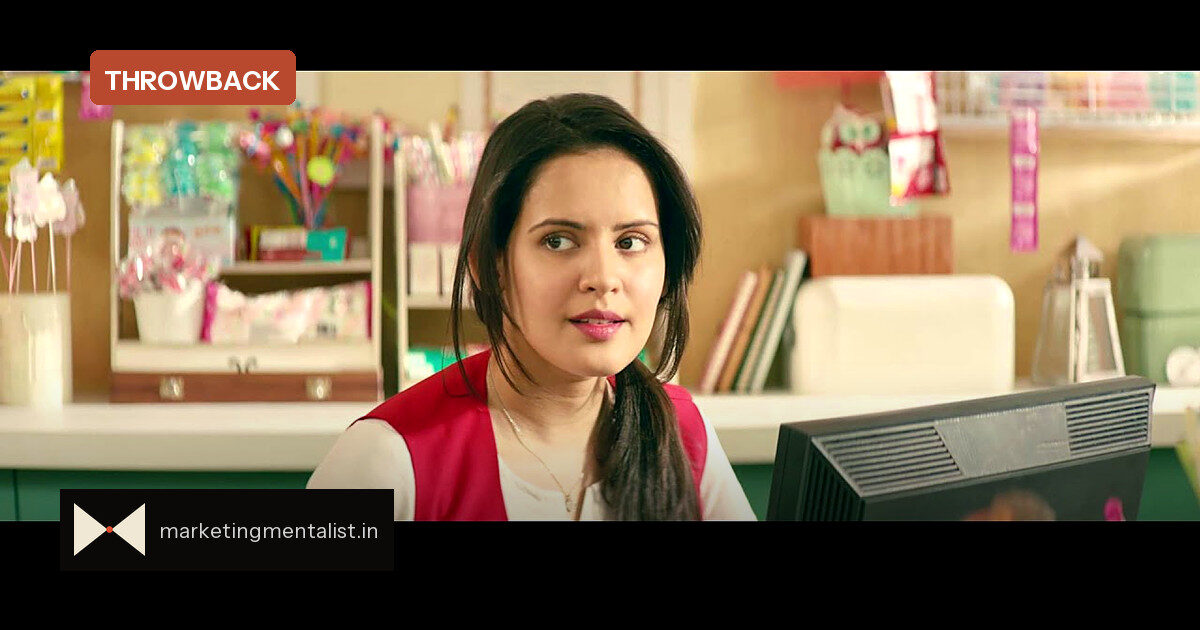
This is the 2016 supermarket film featuring Sidharth Malhotra, a later chapter in the long-running “Thanda Matlab Coca-Cola” idea that first broke in India in the early 2000s. The campaign borrowed the Hindi word “thanda”—the everyday shorthand for a chilled soft drink in much of North India—and attached it firmly to Coca-Cola. The 2016 film drops that premise into a modern retail setting, where a simple request for a “thanda” sends the scene sideways until the familiar red bottle resolves the joke. The film’s argument is in its tagline: “Thanda Matlab Coca-Cola.”
The levers it pulled
Category conflation. The film treats a generic category word as if it were a brand name. Everyone in the store seems to know “thanda” means Coca-Cola—or at least the audience does. That conflation is the ad’s engine: it does not introduce a new claim; it reinforces an existing mental shortcut.
Availability heuristic. When a decision is quick—say, reaching into a fridge on a hot day—people rely on what comes to mind first. By repeating the phrase across years and formats, Coca-Cola made “thanda” the recall cue. The 2016 film’s comedy works because the viewer already has the association; the story only has to trigger it.
Processing fluency. A familiar star, a supermarket aisle, and a local word all make the message easy to process. That ease transfers to the brand. The film feels Indian, not like an imported idea with subtitles, so the audience accepts the category takeover without resistance.
What it did for the brand and the culture around it
“Thanda Matlab Coca-Cola” became one of India’s most durable brand associations. The phrase entered everyday speech far beyond the ads, which is rare for a tagline. Coca-Cola did not fight the local word for cold drink; it borrowed it. The campaign is credited with deepening Coca-Cola’s reach in smaller Indian towns and making the brand feel less foreign in a market with strong local beverage habits. It also created a flexible platform: the line worked on TV, on shop signboards, and in retail activations without losing meaning.
What still works today and what would not
The core insight still works: a brand can claim a word people already use. That is still one of the cheapest acquisition strategies in marketing. The 2016 film proves the idea can survive a new setting, a younger star, and a modern retail format—as long as the phrase stays intact.
- Owning an existing category word still beats teaching a new slogan.
- Comedy built on a known phrase rewards attention rather than explaining itself.
- A global brand can feel local by adopting the audience’s vocabulary.
What would not work as easily now is leaning on thirst alone. Health concerns, sugar reduction, and occasion-based choices now shape the buying moment. The cheerful “thanda” shortcut would need more support—around ingredients, refreshment under heat, or identity—to carry the same load without feeling like nostalgia.
Watch the original: Coca-Cola on YouTube