Cadbury 5 Star’s Do Nothing Made Laziness a Badge
How Ramesh and Suresh turned doing nothing into a cult positioning idea—and what the counter-hustle campaign got right about behavioural science.
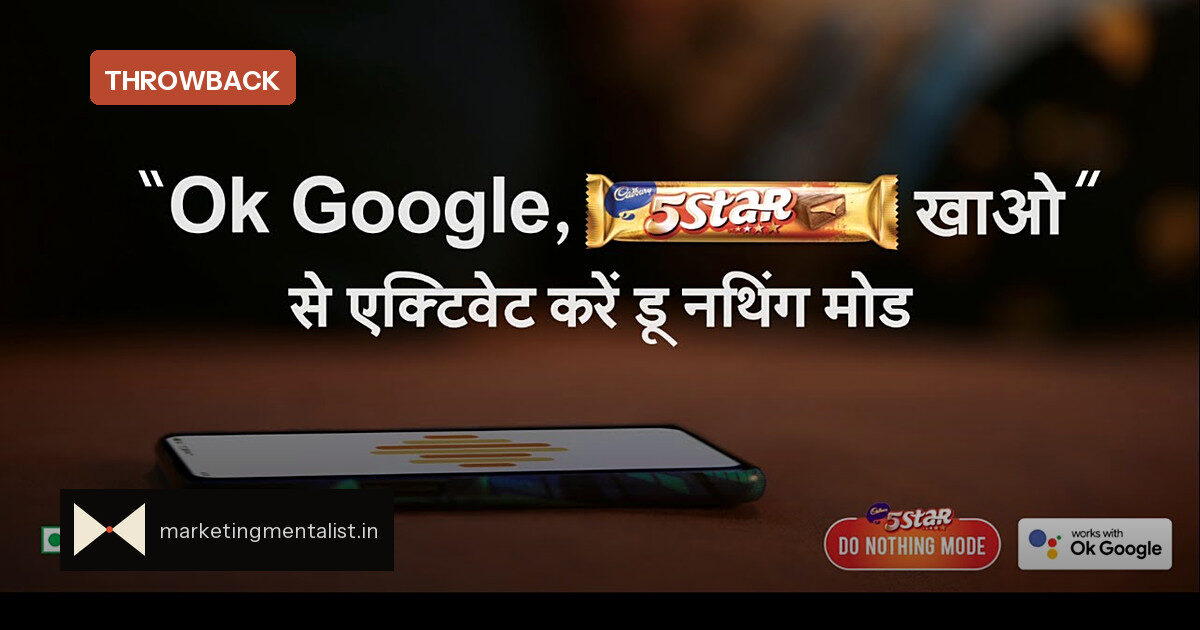
Some ads push you to try harder. Cadbury 5 Star’s “Do Nothing” campaign did the reverse—and became a cult favourite.
The ad and when it ran
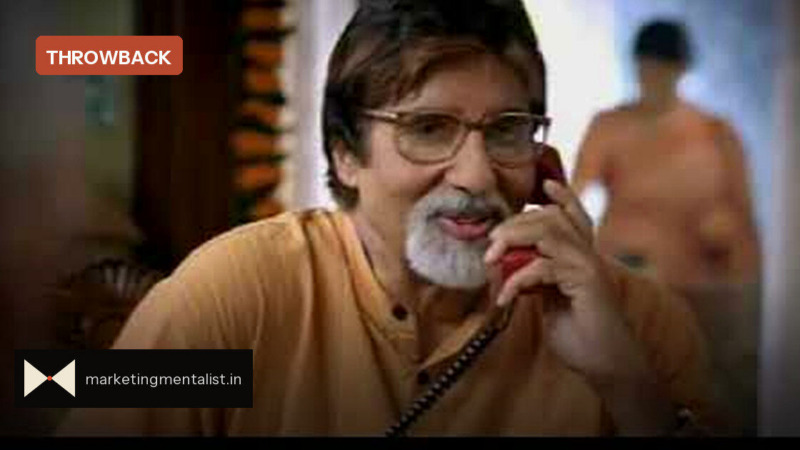
From the mid-2010s, 5 Star gave India Ramesh and Suresh, two brothers who treat idleness as a discipline. In the 20-second “Email Film,” the product sits inside a small workplace comedy about avoiding effort. A simple request becomes an elaborate, unnecessary email; the joke is not that the work is hard, but that doing nothing is being treated as a serious achievement.
Across the campaign, the brothers repeat the same idea with unshakable calm: activity is overrated. The tagline says it plainly—Eat 5 Star. Do Nothing.
The levers it pulled
The comedy is a wrapper. Underneath, the ad is built on three behavioural moves.
- Reactance. Most marketing tells people to improve, act or buy more. That push often triggers resistance. By celebrating inaction, the ad stops arguing with the viewer. There is nothing to rebel against, so the message slides through.
- In-group identity. Ramesh and Suresh are not isolated slackers. They endorse each other’s laziness like proud teammates. Their relaxed confidence creates a group viewers can imagine joining. Eating a 5 Star becomes a small signal of belonging to the club that refuses the hustle.
- Self-serving bias. The campaign gives procrastination a flattering label—“Do Nothing mode.” The viewer is not failing; they are participating in a philosophy. That reframe removes guilt and makes the behaviour easier to repeat.
What it did for the brand and the culture around it
The campaign gave 5 Star a personality beyond “caramel and chocolate.” Ramesh and Suresh made the brand feel like a witty friend rather than another impulse-buy at the counter.
That personality spilled into culture. “Do Nothing mode” became a joking self-description for students and professionals tired of productivity pressure. The brand started standing for a feeling people already had, which is far more durable than standing for a flavour.
What still works today and what would not
The counter-hustle stance still feels relevant. A brand that gives permission to slow down, without turning it into a wellness sermon, still has an opening. The serialised, character-driven treatment also works: audiences return for people, not promises.
The dated part is the texture. An email joke no longer captures modern workplace avoidance. Today the same insight would play better across notifications, group chats or calendar invites. A brand celebrating total inaction would also need to be careful not to read as privileged or tone-deaf in a tougher economic environment.
The takeaway is simple. 5 Star did not sell energy or effort. It sold an identity—and identity sticks longer than taste.
Watch the original: Cadbury 5 Star on YouTube