
Clean-label claims drive 60% surge in health food sales
Indian shoppers are paying premium prices for foods with transparent ingredient claims; sales up 50-60% in two months before labels become law.
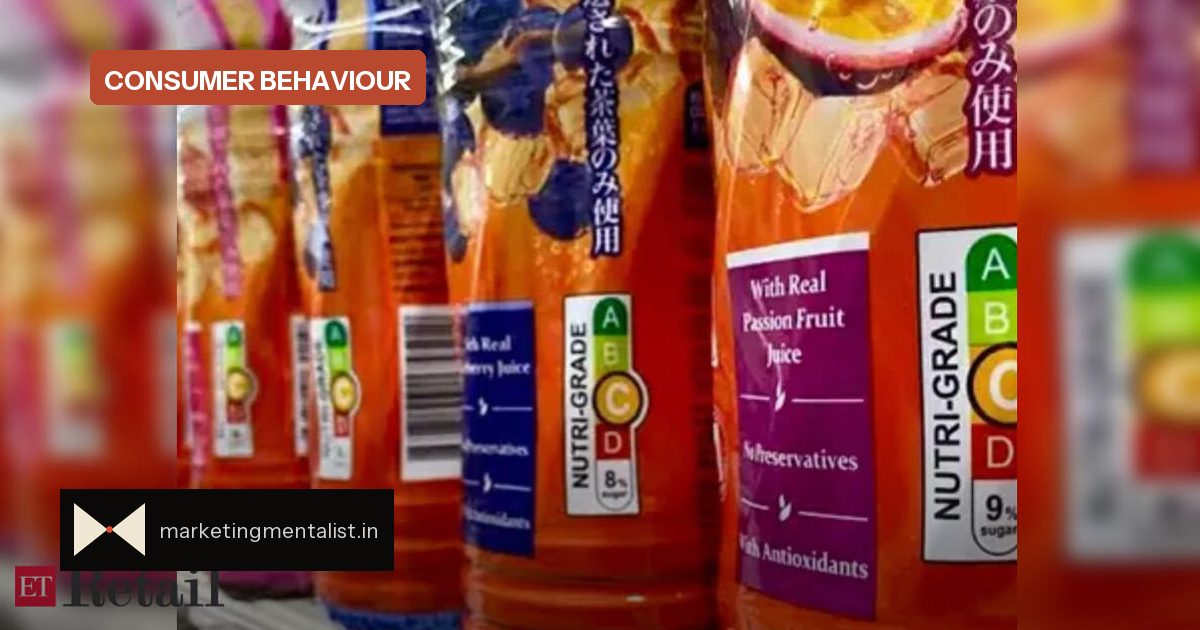
The surge in transparent health claims has become more than a wellness story: it is now a measurable premiumisation signal in Indian packaged food.
What the numbers show
Packaged products making transparent clean-ingredient claims grew between 50% and 60% year-on-year over the past two months, according to executives at online and physical retail chains. That is happening before front-of-pack nutrition labels are legally required.
Nishant Dalal, vice-president at Flipkart, said consumers are clearly upgrading to products that are transparent about ingredient claims, whether the claims are limited on pack fronts or the information sits on the back. In the past, interest in such brands tended to flatten after an initial spike. “We’re seeing consistent growth of such products even if they’re premium priced,” he said.
Regulation is raising the stakes
FSSAI on Wednesday proposed a single-phase rollout of front-of-pack labelling before the Supreme Court. Packaged foods would need to declare sugar, salt and fat levels in red hexagonal labels. The issue has been contested for nearly a decade; the next hearing is set for September 28. The regulator has also issued notices to more than 150 food and beverage makers in recent months and uses social media to publicise labelling violations.
Who is leading the upgrade
- 60% of parents are paying more for healthier snacks for their children
- 86% of consumers see protein as a key factor when buying snacks
- More than six in ten prefer snacks sweetened with dates or jaggery instead of sugar
These figures from the Farmley Healthy Snacking report show a broad shift: functional packaging and ingredient transparency are reshaping snacking choices, with parents willing to pay extra for children’s nutrition.
Why trust now outperforms vague health halos
Many food attributes are invisible after purchase. A shopper cannot easily verify a ‘good for gut’ claim or count protein at home. So when a pack makes a specific, limited claim, it functions as a trust signal. What has changed is that consumers increasingly treat that signal as worth a premium, before regulation forces disclosure.
The behavioural lesson is not that labels will matter someday. It is that voluntary transparency is already doing pricing work today. Brands that keep making broad ‘healthy’ promises without specifics risk being filtered out by the exact consumers who are now upgrading.
What marketers should do
Make the claim small, concrete and checkable. A limited cue such as ‘no artificial colours’ or ‘with millets’ is easier for a sceptical buyer to evaluate than an abstract health halo. Put supporting nutrition information somewhere quick to find.
Parents are a crucial segment: a majority are willing to pay more for healthier children’s snacks, and protein has become a decisive cue. If the product genuinely has protein or natural sweetener credentials, say so plainly.
The smart play is not to wait for the red hexagon. Voluntary clarity is already being priced into purchase decisions.
Source: ETRetail.com