Mauka Mauka: The Psychology That Made a Rivalry Ritual
How Star Sports' Mauka Mauka campaign used social identity, open loops and loss aversion to make one fan's wait feel personal.
The ad and when it ran
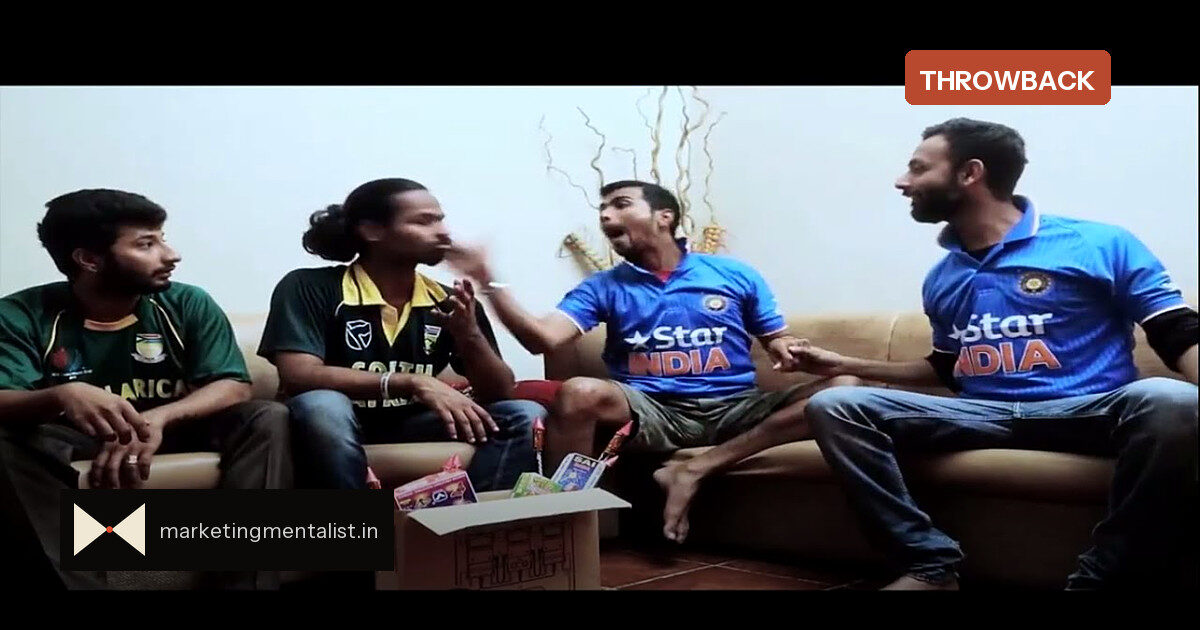
In early 2015, Star Sports was building up to the ICC Cricket World Cup, and the India-Pakistan fixture was the natural centrepiece. As the tournament broadcaster, the network had a chance to own the rivalry. Instead of putting the players at the centre, it put the wait at the centre.
The Mauka Mauka campaign took one Pakistani fan’s hope of finally celebrating a World Cup win over India and refused to let it happen. What began as a single pre-match spot grew into a serial: every new match brought another chapter in the same fan’s wait. The phrase “Mauka Mauka” became shorthand for an opportunity that never quite arrives.
The levers it pulled
The campaign worked because it was built on how people actually feel, not just how they watch cricket.
- Social identity theory. The film made cricket a matter of group membership. By personifying the rival hope in one fan, it gave Indian viewers a clear “us” and a sympathetic but slightly absurd “them”. They were not just watching a match; they were defending the status of their group.
- The open loop. The campaign never gave the Pakistani fan his celebration. Each spot ended with the desire unresolved, which kept viewers emotionally invested. Psychologists call this the Zeigarnik effect: incomplete stories stick in memory more than finished ones.
- Loss aversion. The film framed a possible India defeat not as a neutral event but as the moment the rival’s long wait would end. Indian viewers felt the weight of losing more than the thrill of winning, and that tension made the ads persuasive.
The effect was cumulative. Each new instalment did not have to re-explain the premise; it simply added weight to the fan’s wait. That is why the campaign got stronger as the tournament went on.
What it did for the brand and the culture around it
Mauka Mauka turned Star Sports from a channel showing the World Cup into a narrator of the World Cup. The campaign became appointment viewing in itself; people waited for the next instalment as much as they waited for the next match.
The phrase bled into everyday speech, commentary and parody. It gave the tournament a comic subplot that made the brand feel close to the fan experience, rather than a distant broadcaster. It also made the ad break feel like part of the match, not a pause from it.
What still works today and what would not
The mechanics would still work. A recurring character with a single desire, an unresolved sequence, and a short repeatable tagline remain a strong content engine for a tournament or a season-long property. The core idea, making a giant tournament feel like one person’s problem, is still sharper than most sports marketing.
What would need more care is the tone. The light rivalry works because it stays human, but brands now have to be careful that nationalistic humour does not tip into hostility. The episodic joke would also need more variation to survive in today’s shorter, quicker feeds.
Watch the original: Star Sports India on YouTube