Ariel India’s #ShareTheLoad: The Psychology of an Ad
Ariel India's #ShareTheLoad made laundry a gender-equality issue. Here are the behavioural levers that made the 2015 film work, and what still holds.
The ad and when it ran
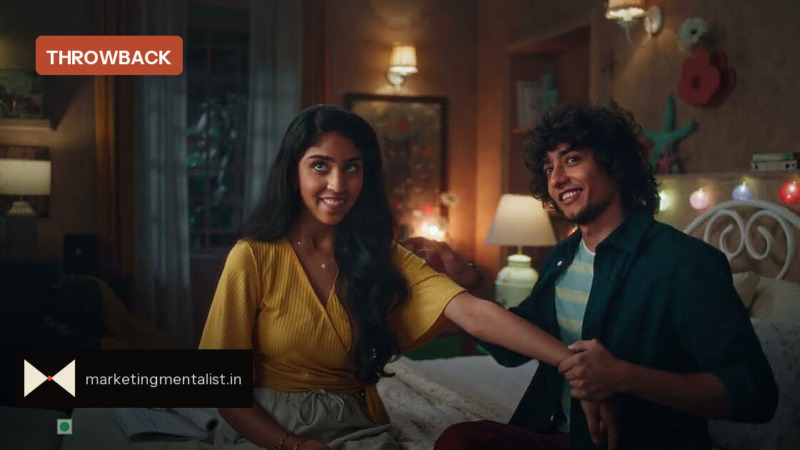
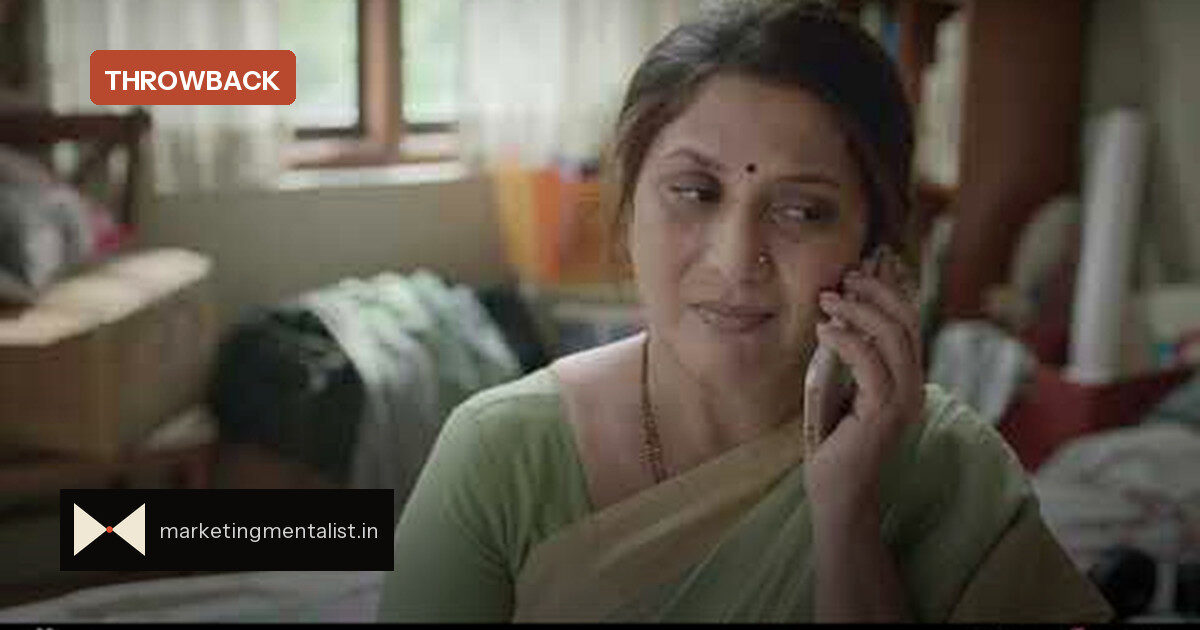
In 2015, Ariel India and BBDO India released #ShareTheLoad. The film is not about a breakthrough formula; it is about a father who watches his adult daughter handle the second shift after work—cooking, cleaning, child care—while her husband sits with his phone. The father’s own marriage flickers back at him, and he realises he never modelled anything different. His response is not a lecture but an apology, followed by a small act of change back home. The campaign’s closing line asked why laundry was only a mother’s job, a question the hashtag #ShareTheLoad turned into a social challenge.
The levers it pulled
The campaign worked because it made a low-involvement product carry high-stakes social meaning. Three behavioural levers did most of the work.
- Social proof. The film treated shared laundry as the new normal, not an act of male generosity. The father is not a hero for helping; he is a man catching up to the standard of a good partner. That reframing made equality feel like the direction the world was already moving in.
- Anticipated regret. The ad built its emotional engine around the cost of silence. The father sees his daughter living the uneven life he accepted and worries about what he failed to teach his son. The viewer feels the regret before the change, which makes the change feel urgent.
- Self-signalling. Once the campaign took hold, using Ariel could say something about the buyer—not “I clean clothes” but “I share the load.” The product became a small, public badge of progressive identity, which is stickier than a stain-removal promise.
What it did for the brand and the culture around it
Ariel had long been a women’s laundry brand. #ShareTheLoad widened the frame without changing the powder. It gave men permission to enter a category advertising had aimed at women for decades, and it made shared housework a legitimate debate in Indian media, homes, and classrooms.
The campaign is credited with lifting Ariel’s sales and preference in a category where differentiation is normally claimed in whiteness and freshness. Culturally, it moved “who does the laundry?” from a personal complaint to a structural question. That is an unusual thing for a detergent ad to achieve.
What still works today and what would not
The strategic core still works: sell the buyer’s identity, not the product’s features. The father-daughter framing, the regret arc, and the absence of finger-wagging all still feel modern. Brands that want to change behaviour can still use social proof and self-signalling to make a mundane act meaningful.
What would not land so easily now is the expectation that a film alone is enough. The campaign’s polished, linear storytelling would fight harder for attention in short-feed environments. And its world is mostly a middle-class, heterosexual one. Today a brand making this argument would need visible proof—retail partnerships, product design, shared data, or policy—not just a beautiful apology. Purpose is easier to claim now and harder to trust.
Watch the original: Ariel India on YouTube